
Creating a Calmer Home in a Technology-Filled World
Technology has changed the way people live at home.
A modern household may include smartphones, tablets, laptops, WiFi routers, smart TVs, security systems, voice assistants, medical alert devices, smart thermostats, and connected appliances. These tools can make daily life easier, safer, and more convenient. They help families stay connected, support remote work, simplify entertainment, and make it easier for older adults to remain independent at home.
At the same time, many people are becoming more aware of how busy a connected home can feel.
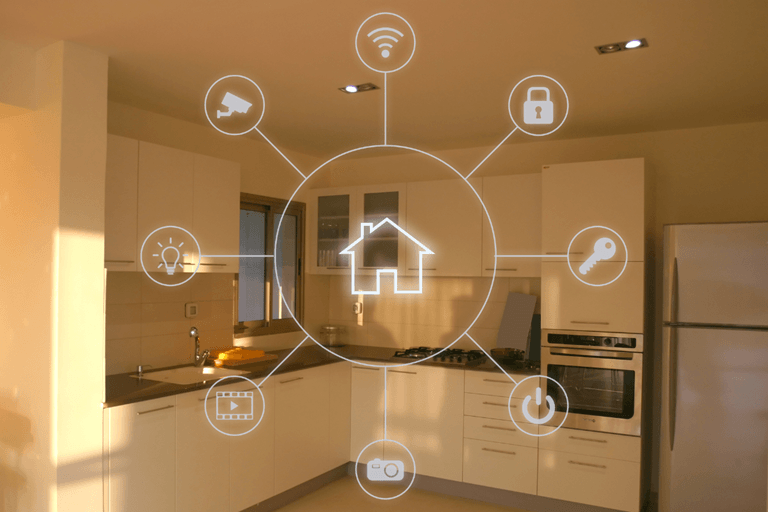
A home is no longer only a place to rest. It may also be an office, entertainment space, care environment, communication hub, and digital command center. When devices are present in almost every room, creating a calm and supportive atmosphere becomes more important.
The goal is not to remove technology completely. For most families, that is neither realistic nor necessary. The goal is to design a home that feels balanced, comfortable, and intentional.
Why Calm Matters at Home
A calm home can make daily routines feel easier.
This is especially important for families, caregivers, remote workers, and older adults who spend a lot of time indoors. The home environment can influence how people rest, focus, move, and interact with one another.
A calmer space may include:
- Softer lighting
- Less clutter
- Better organization
- Comfortable seating
- Clear walking paths
- Quiet areas for rest
- Natural materials
- Thoughtful technology placement
- Supportive routines around device use
These choices may seem small, but together they can shape the feeling of a home.
Comfort is not only about furniture or decoration. It is also about how easy the home is to live in.
The Connected Home Is Here to Stay
Smart home technology is becoming a normal part of daily living.
For older adults, connected devices can offer meaningful benefits. Video calls can reduce isolation. Smart speakers can help with reminders. Security systems can provide reassurance. Medical alert tools can support independence. Smart lighting can improve visibility at night.
For families, technology helps manage schedules, communication, work, school, and entertainment.
Because these devices are useful, the better question is not whether technology belongs in the home. The better question is how to make technology fit into the home without overwhelming the space.
A connected home should still feel like a home.
Designing With Digital Wellness in Mind
A discussion about digital wellness typically comes when considering screen time, social media, and phone usage. It’s not just about the physical environment, however, of the home.
The location of the devices is important. The frequency with which they are used is important. The number of screens in bedrooms is important. It is important whether there are quiet zones in the home or not.
A few simple design questions can help:
Does every room need a screen?
Are devices placed intentionally?
Is there a clear difference between work areas and rest areas?
Can the bedroom feel more peaceful?
Are there spaces where people can sit without digital distractions?
Can technology support comfort without dominating the room?
These questions are based on practicals. They help homeowners and carers consider the impact of technology on their everyday lives.
EMF Awareness and Modern Homes
With the growing number of devices coming into the house, some are even aware of the electromagnetic fields, also known as EMFs. There are numerous electronic devices and wireless communication devices around that are linked to the EMF.
This is a subject matter that is sensitive and responsible. Home wellness gadgets aren’t medical remedies, nor ought they be utilized in lieu of professional advice, safety measures, or practical technology practices.
However, there are many homes that want to make their homes more EMF-friendly as part of their overall health regimen. Some may do this by keeping routers out of bedrooms, switching off some electronics, setting up some low-tech rooms, or trying out home wellness gadgets that suit their needs.
People interested in an advanced EMF protection device are often looking for ways to make a technology-filled home feel more balanced and supportive. It’s best to think of these types of tools as a component of the larger home wellness strategy rather than a standalone solution or medical device.
Small Environmental Choices Can Make a Big Difference
A calmer house is normally developed via layers.
One of the layers can be illumination. Another one could be the layout. Others may relate to storage. An additional one could be correct. Another area could be the way it is used and structured.
It’s possible that little decisions make a big difference:
Create Device-Free Rest Areas
Bedrooms, reading corners, and quiet sitting areas can feel more restful when they are not filled with screens and chargers.
Keep Technology Organized
Cables, remotes, tablets, and chargers can do a lot to clutter up a room. Consider using baskets, drawers, cable organizers, and charging stations to keep things tidy.
Use Softer Evening Lighting
Lighting large, outdoor spaces overhead can create a lively environment in a home that may extend its hours of use into the late evening. Lamps, dimmers, and warm bulbs can assist the home in making a transition to rest.
Turn Off Devices When They Are Not Needed
There are a lot of gadgets that remain on even though no one thinks of switching them off. If you have some electronics that you don’t use, it’s easy to create a very simple routine around them and make your home feel more intentional.
Make Comfort Easy to Access
An easy chair, a quiet corner, a clear walkway, or just a small table to put things on can make life easier every day—particularly when you live alone or when you’re older.
Home Wellness Should Feel Simple
Wellness ideas are typically simple to maintain and are the most effective.
This should not be a house on the shelf that is in constant need of work. It should be used in a manner that’s natural to people.
That is why for many there are many products with a focus on wellbeing in the home which are meant to be a part of the day-to-day routine, rather than the focus. Further, as consumers grow more attuned to environmental wellness, brands like Leela Quantum Tech have been developed to subtly blend into today’s contemporary home without adding to the complexity.
It’s important to be subtle about it. A home that is based on wellness should be a supportive house and not a stressful one.
Thinking About Older Adults and Caregivers
It’s particularly beneficial for older adults to have a quieter home.
Having a clean and tidy home can simplify moving around. More clarity can be found if surfaces are clear. Proper lighting can aid in a safer way of navigating. Comfortable seating can be used for ease of daily activities. There is technology available to help people stay connected without information overload.
Additional advantages for caregivers could also be a calmer design of the home. An easier-to-manage home can help to alleviate stress and smooth out routines.
This does not mean every home needs a full redesign. Often, simple changes are enough:
- Remove unnecessary clutter
- Keep commonly used items within reach
- Improve lighting in hallways and bathrooms
- Create a peaceful place for rest
- Reduce digital distractions in sleeping areas
- Use technology where it genuinely helps
The best home design supports real life.
Balancing Convenience and Calm
Using technology to enhance comfort is good, but don’t think of it as replacing everything in the home.
A smart speaker can be of assistance. A video doorbell can help give you peace of mind. A tablet can help to connect families. A medical alert device can help to promote independence. There are some tools for these.
But balance matters.
A peaceful house is a setting where technology is allowed its place, but does not take over the environment. It provides space to talk, to lie down, to rest, to relax, a nd to plan.
This balance may be particularly significant in families where more than one person lives in the home and has different needs. A workspace is required by one person. Additional may require a quiet room. Easy access to important tools may be required for a caregiver. The older person may require some comfort, security, and simplicity.
A well-designed house will accommodate all of these requirements.
A Calmer Home Begins With Intention
It doesn’t have to be a fear of technology or perfection in order to have a calmer home in a tech-saturated world. It requires awareness.
Technology is a part of today’s life and can be very beneficial. Homes, however, require quiet, comfort, and ease as well.
Small changes can make a big difference in creating a more peaceful home, including placing devices out of the bedroom, tidying the cables, building a low-tech corner, dimming the lights, or incorporating items that promote well-being into the home.
For a peaceful home, it doesn’t have to be a disconnected home. This is a more considered one.
The most supportive spaces that will continue to evolve will be the ones that are convenient, comfortable, technological, calming, and modern, and that meet human needs.
Popular on OTW Right Now!




About The Author

Gagan Bhangu
Founder of otechworld.com and managing editor. He is a tech geek, web-developer, and blogger. He holds a master's degree in computer applications and making money online since 2015.