
Consumer Rights When Seeking Financial Assistance
Financial Help Comes With Legal Safeguards
When money gets tight, the urgency to find help can override caution. Applications get filled out quickly. Contracts get signed faster than they should. Whether you are applying for a personal loan, enrolling in a hardship program, or researching options with debt relief companies, it is easy to focus only on the outcome.
Yet there are regulations that guard you in case of financial help in the United States. These protections do not involve bewildering paperwork. They are laws that protect you against deceit, exorbitant charges, and malpractices.
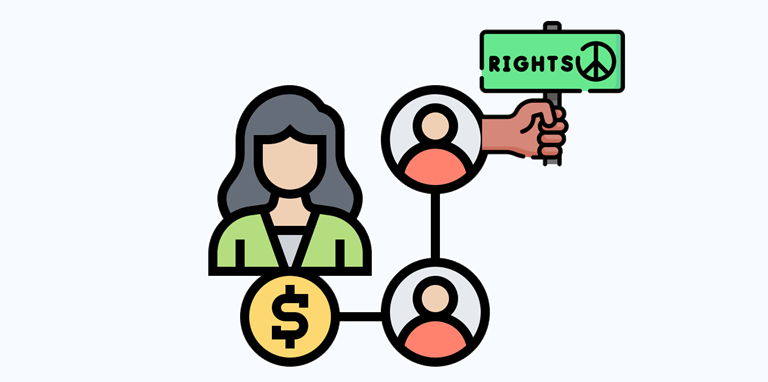
Being aware of your rights will alter your usage of financial services. You no longer have to feel powerless, but you can find that the rules concerning compliance and disclosure aim to assist you.
Your Right to Clear Disclosures
The right to clear and accurate disclosure is one of the simplest types of protection. Banks and lenders should also clarify terms in a manner that will allow you to comprehend expenses and commitments.
Truth in Lending Act would make lenders inform you of the annual percentage rate, total fees, schedule of payments, and the total amount financed before signing a loan. This openness allows you to make comparisons of offers.
The Consumer Financial Protection Bureau outlines disclosure requirements and consumer rights under federal law. Reviewing this information before signing any agreement can help you avoid unexpected surprises. If a company cannot clearly explain its fees or repayment structure, that is a red flag. Transparency is not optional. It is mandated.
Protection From Deceptive Practices
The financial service providers cannot perform fraudulent or misleading actions. This involves the act of misrepresentation of services, concealing charges or making promises that are not warranted. No one with any ground to give can tell you that creditors will most definitely cut down on your debt. There is also no way that the lenders can promote lower interest rates that are not actually granted to most applicants without warnings.
The Federal Trade Commission (FTC) implements the regulations of the unscrupulous financial practices and provides advice on how to avoid fraud. When marketing promises are too good to be true, then stop. The consumer protection laws are meant to ensure that people facing financial strain are not misled by not-so-realistic promises.
Licensing and Oversight Matter
The majority of the legal financial aid providers are required to be registered or licensed by the state authorities. Licensing brings about accountability and allows for complaints. Ensure that the lender or the help provider is licensed by checking with the financial regulation agency of your state before engaging in business with them. This is done to make sure that the company does not disobey legal regulations.
The same may not be applicable to unlicensed companies. That increases risk. The federal agencies collaborate with the state regulators in investigating violations. A review or enforcement action may result in the filing a complaint.
Right to Cancel in Certain Situations
There are financial deals that provide the right to cancel within a period. As an illustration, certain credit repair agencies and door-to-door sales do have cooling-off provisions. These regulations allow you to rethink without having to pay. Precise guidelines depend on service and state legislation, but the concept is the same. It is not necessary to be under pressure. Always examine the contracts for the cancellation clauses. This awareness will save you, in case you have second thoughts regarding the timing and the process.
Protection From Abusive Debt Collection
Debt collection laws are applicable in case the financial assistance is negotiated with the creditors or the balances of the account are overlooked. In the Fair Debt Collection Practices Act (FDCPA), harassment, false statements, and unfair practices are banned. Those who owe money do not stand the threat of arrest because of non-payment, and they are not allowed to use obscene language or make a call to bother. The CFPB specifies your rights with collectors in detail. Knowing these protections, there is no more abuse to be revealed when you seek help. You must have legal rights even though you owe money.
Privacy and Data Protection
Financial assistance usually involves the provision of sensitive information like Social Security numbers, income particulars, and bank account details. The consumer protection laws stipulate that firms must ensure that data.
The federal regulation requires financial institutions to provide privacy notices that will show how your information will be used and shared. You may choose not to share some of your data as well.
Read privacy policies before transmitting personal data. Compliance is demonstrated by secure sites, encrypted portals, and disclosed clear data usage.
Your identity security should not be compromised on the basis of recovering your finances.
Complaint Channels Provide Recourse
The power to make complaints is one of the potent consumer rights. When you believe that a financial service provider violated the law, you may report the matter to the federal or state agencies.
CFPB will take loans, credit card complaints, debt collection, and other financial product complaints. The process is systematic and followable.
Complaints do not just look good. They generate documents that the regulators utilize to identify patterns of misconduct.
With the awareness of monitoring, the balance of power may be altered. Regulators are on the lookout of compliance by financial institutions.
Informed Decisions Create Stronger Outcomes
Applying for financial assistance is usually a strain. But stress does not take away your rights. Those rights are prepared to be taken away at some time when consumers are weak.
Open disclosures, licensing regulations, privacy protection, and complaints establish a just system. When acting with awareness in the financial services, you will become less vulnerable to being deceived.
Take time to read contracts. Ask direct questions. Verify credentials. Verify claims using official sources.
Monetary assistance may be of actual relief. And yet, the strongest defense is knowledge. The offense of being aware of your rights can change your attitude to financial pressure, as you can now properly respond, not by reacting to the pressure.
Popular on OTW Right Now!



About The Author

Gagan Bhangu
Founder of otechworld.com and managing editor. He is a tech geek, web-developer, and blogger. He holds a master's degree in computer applications and making money online since 2015.