
AI Event Planner That Tunes Demand, Pricing, And Menus In Real Time
Large or small, an event runs on timing and signal quality. An AI event planner converts live data from bookings, walk-ins, kitchen rails, and delivery channels into decisions that protect guest experience while lifting revenue. The result is a calm floor, a predictable pass, and prices that reflect real demand rather than guesswork.
A modern stack connects reservations, POS, inventory, and messaging into a single loop. Integrations with platforms such as Eat App help unify seatings, waitlists, confirmations, and follow-ups so the planner sees true demand, not a delayed snapshot. Having that in place, the system will be able to release tables evenly, push prices when nearing peaks, and change menu makeup when stocks change.
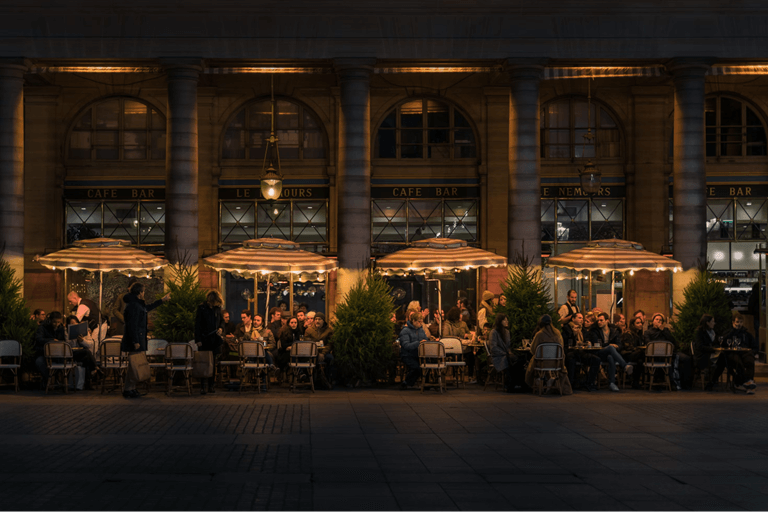
Real-Time Demand Sensing Without Chaos
Forecasts based on history are helpful, yet Day X belongs to live signals. The planner ingests check-ins, no-show probability, weather changes, local events, and delivery surge patterns, then translates those inputs into a minute-by-minute posture for the room. Once the demand is hot, the floor sends out tables in smaller groups, the kitchen stumbles with complex mains, and the host stand narrows down confirmation windows. In the face of declining demand, price pushes and social advertising attract diners in the vicinity without providing any discount to coveted places.
Dynamic Pricing That Respects Hospitality
Price is a conversation with demand, not a blunt instrument. A good planner establishes guardrails, such as a small area around the baseline of each slot, the floor and ceiling boundaries of which defend trust. Peak minutes receive small uphikes, late windows are given soft advantages such as a free amuse, and the family hours remain the same. The transparency is important, which means that the flow of booking will show current prices and what affects them, which will minimise the friction at the door.
A Simple Menu And Pricing Playbook
- Baseline first, surge second
Start from a fair median price or set menu value, then apply small deltas based on live load. - Bundle where value is clear
Pair a high-velocity main with a steady side to stabilize ticket variance. - Protect signatures
Keep flagship items at consistent pricing to avoid brand whiplash. - Incentivize discovery
Offer micro-discounts or add-on tastings for new dishes during shoulder periods. - Publish limits
Share maximum uplift per slot to signal fairness and avoid sticker shock.
This list is followed by a short reflection, which keeps the guests at the center. Demand should be guided by price, not chastised by the zeal to invest. Goodwill is the actual impetus of re-visit and referrals, and this is upheld by clear ranges and honest explanations.
Menu Composition That Responds To Reality
The capacity to serve quality is determined by inventory, prep time, and station balance. The planner is in charge of keeping track of the risk of spoilage, culling slow movers, and identifying dishes that balance the rail. In case late reservation is concentrated on the parties, family-style platters come to the fore. When grill capacity is maximal, the braise-forward mains will have a load of greater weight to the next wave. Beverage lists also change, and by-the-glass selections are changed to reflect running low on certain lots.
When the system honors craft, there is an increase in kitchen confidence. Recommendations are proposals that are context sensitive rather than directives. Expo learns the way a swap changes the schedule of events, the bar learns the way a featured spritz reduces the amount of volume in a shake ,and the host stand learns updated pacing goals without more calls.
Operations, Compliance, And Proof
Smart tools still need strong governance. Data retention windows, consent notices, and staff access levels must be clear and enforced. Export controls and audit trails protect guest privacy and keep insurers calm. The planner also documents why a price changed or a dish hid from the menu, which produces clean evidence for partners and regulators.
Guardrails That Keep AI Helpful And Safe
- Human-in-the-loop steps
Approval checkpoints for price deltas above a threshold or for menu removals during service. - Explainable suggestions
Plain-language reasons beside each action, tied to the signals that triggered it. - Role-based views
Hosts see pacing, expo sees station load, management sees margins, each with unique permissions. - Failover plans
Printable menus, manual waitlist sheets, and fixed prices ready for network outages. - Post-shift reviews
Short summaries of actions taken, metrics moved, and ideas queued for the next service.
A short paragraph after the checklist turns policy into practice. Consistency keeps adoption high. When guardrails are visible and exceptions are quick to approve, teams trust the planner and lean on it during the rush.
Measuring The Lift Without Vanity
Three numbers tell the story. Promises met versus delivered shows guest experience. Contribution margin by hour reveals whether pricing helps or harms. Table utilization by zone shows how well the seating cadence worked. A weekly rhythm of small experiments, for example two-point price nudges or a different appetizer spotlight, compounds gains without risking brand equity.
An AI event planner is not a crystal ball, it is a disciplined listener. Having centralized information, affordable costs, and menu motions that honor artisan, an establishment transforms real-time notifications into serene service and higher margins. Guests will feel appreciated, employees will operate with a consistent heartbeat and the management will witness improvement that can be measured, repeated and is prepared to hold the next big night.
Popular on OTW Right Now!


About The Author

Gagan Bhangu
Founder of otechworld.com and managing editor. He is a tech geek, web-developer, and blogger. He holds a master's degree in computer applications and making money online since 2015.