
A Working Guide to DTF Printing Direct to Film Shirts and Apparel Customization
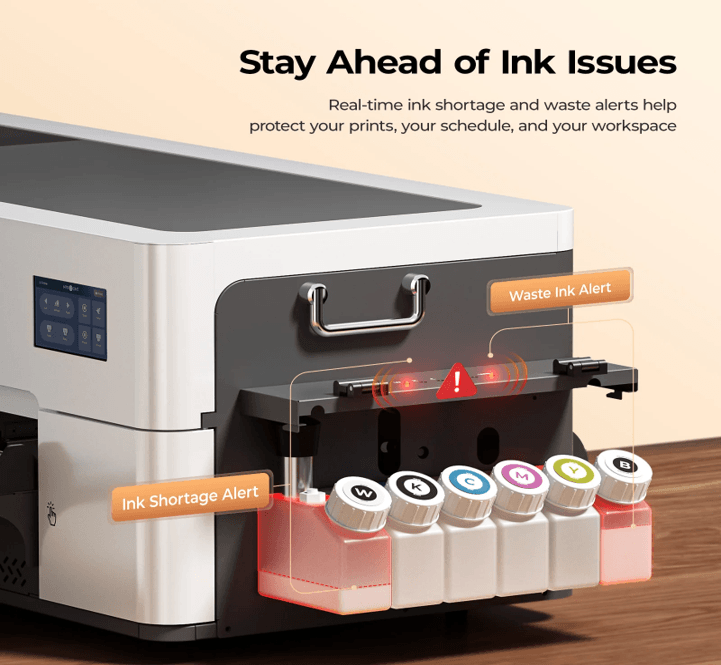
DTF printer for shirts: DTF is the abbreviation for Direct to Film. Direct to film printing means printing an artwork to a special film instead of printing directly to a shirt. Once the design is printed, a film adhesive is applied, and the design is cured and ready to transfer to the fabric. This method’s flexibility lets you print and prepare the design without the fabric. For a small start-up business, this is the best option.
Why DTF Is Good for Shirts
DTF printers for shirts enable the production of colorful graphics, detailed images, names, logos, or even photos, and are also suitable for textile materials, giving shirt sellers more flexibility than a system limited to one fabric type. Also, DTF printers can be useful for producing smaller quantities of personalized items, where one customer could just buy a personalized item instead of a large batch of pieces.
Why Consider DTF for Your Work?
There are many different machines, and not every printer is made for the same level of production. Things to consider when selecting a DTF printer for your business should include print quality, speed, print width, ink system, software compatibility and required support, as well as cost and your production needs. A beginner may be happy with purchasing an affordable machine, whereas a business may need to invest in higher-end machines to satisfy production needs.
Quality Printing is Key
The quality of print is what really matters at the end of the day because customers are fully aware when pieces are customized. A high-quality printer should give sharp, detailed lines and evenly and fully filled areas of all colors, as well as fully printed white ink areas. Poor prints can give frames that prohibit smooth curves, weak or incomplete lines, and/or gaps in the final printed product. Understanding how a printer works and what quality and types of results to expect from different materials is important in any custom printing business.
White Ink Is Its Own Challenge
White ink printing has its benefits, with colorful designs looking best on dark colored fabric. But the ink has some issues in that it needs its own special treatment to avoid problems when printed. Ink settling is perhaps one of the biggest problems if the ink system isn’t properly treated. The best protocol to avoid this problem is following the manufacturer’s suggested maintenance practices and adopting an ink system maintenance routine. All of this helps achieve consistent printing.
A Checklist For The Perfect Print
The best results in printing come from thoroughly prepared artwork. The design needs to be checked for resolution, clean edges, correct color, and the correct size to match the shirt. Spelling and background removal need to be checked as well. Most importantly, check the artwork for mistakes before sending it to the printer. It is a fairly simple and effective method to avoid wasting film or ink from a design mistake.
The Right Film For The Right Job
The film used during DTF printing is equally as important as the other materials used during the process, so choosing the right film for the printer is very important. Different films are handled differently during printing and peeling. Following the manufacturer’s recommended practices will help a lot. It is good to do a test run on a film to help identify any problems before a large customer order.
Applying Adhesive Powder Correctly
Once ink is wet, adhesive powder is integral to creating a transferable bond. Apply the powder to form an even layer over the printed area. If too little powder is applied, a weak bond will form. Too much powder will result in an unwanted texture. Achieving consistent powder application is critical to transfer production.
The Function of a DTF Oven
After powder is applied, the transfer must be cured. A DTF Oven provides precise heat that melts the adhesive powder and prepares the transfer for applying on fabric. For businesses that do multiple transfers, having dedicated curing equipment creates a more orderly and efficient workflow. Instead of dealing with each transfer individually, an operator can implement a consistent curing process based on the materials and equipment being used.
Why Curing is Essential
The bond will be weak if the transfer does not bond properly to the fabric. Excessive heat can result in problems with the film or the printed design. Follow the manufacturer’s recommended process, since material variations can affect the outcome. Consistent curing is one of the fundamentals of consistent transfer production.
When a DTF Oven Becomes Essential
A smaller producer or supplier of a limited number of transfers may not need a dedicated curing device, as these may be appropriate for selected materials and equipment. Regular transfers may warrant a dedicated solution. As a growing business needs to handle multiple transfers, a DTF Oven can introduce a formal, efficient process and manage volume. The time saved by reduced handling of the transfers can further improve the overall process.
Picking the Best Heat Press Machine
The type and amount of work you plan to do determines the best heat press machine for you. There are many considerations with each machine, such as size of pressing area, temperature accuracy, pressure adjustment, timer controls, ease of operation, and even the workspace you have available. A small business will have very different needs from a large production business. Consider buying a machine that can control even pressure and temperature consistently.
Conclusion
Opening a DTF shirt transfer apparel business can be rewarding for creative individuals and start-up entrepreneurs. As the foundation of a transfer printing business, you will need a quality DTF printer and a DTF curing oven. The final stage in Print on Demand customization is applying the design to the shirt. This is done with a heat press using the appropriate heat and pressure.
Success in this DTF printing business is dependent on good equipment paired with good practice. This is achieved by correct artwork preparation, utilizing good quality materials, printer maintenance, proper curing of transfers, and pressing following all manufacturer’s recommendations. Cleanliness of the workspace and printing practice are essential when accepting orders for new materials. With a focus on all aspects of DTF printing, it can be used to create high-quality custom apparel for your business.
Popular on OTW Right Now!



About The Author

Gagan Bhangu
Founder of otechworld.com and managing editor. He is a tech geek, web-developer, and blogger. He holds a master's degree in computer applications and making money online since 2015.