
A Complete Look at Food Industry Trade Shows and Guangzhou Food Expo Opportunities
Introduction
The global food sector is changing faster than ever. New ingredients, innovative packaging, healthier products, advanced processing methods, and changing consumer preferences are influencing how food businesses operate. For companies that want to stay competitive, simply producing a good product is no longer enough. For businesses, the opportunities also involve meeting with buyers, finding out new trends, establishing partnerships, or getting a glimpse of what customers are interested in.
This is where food industry trade shows have become highly valuable. These events bring together manufacturers, suppliers, distributors, retailers, investors, technology providers, and industry professionals in one place. Instead of searching for business opportunities individually, companies can explore multiple possibilities within a single event.
Among the many international exhibitions attracting attention from food professionals, the guangzhou food expo represents an important opportunity to explore the growing food and beverage market in China and beyond.
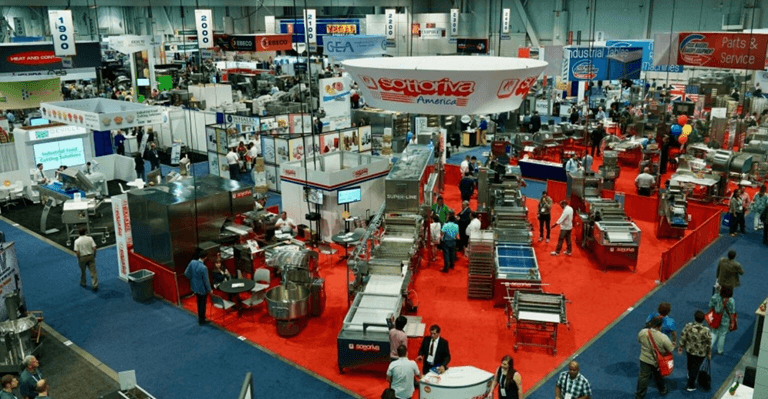
Why Food Trade Shows Matter to Modern Businesses
Trade exhibitions have grown from mere product exhibitions into comprehensive business platforms. This allows the company to display its products and also to learn more about the new trends in the market, study the competition, and get a feel of the market from the perspective of potential buyers.
These events can be especially beneficial for smaller businesses. The new brand might not have the funds to organize several dozen meetings with foreign buyers in various nations. Many of those contacts can be called at a trade show in the span of a few days, though.
The value is not just about selling today; it is about selling today and tomorrow. Discussions at exhibitions may result in long-term distribution deals, private label deals, manufacturing deals, and expansion into international markets.
Discovering New Food Trends
Consumer preferences are continually evolving. Convenience foods are a growing concern, as are clean-label ingredients, sustainable packaging, plant-based alternatives, functional products, and products that cater to a specific diet.
One of the biggest advantages of attending food industry trade shows is the ability to observe these trends directly. They can view products that are under watch, the way companies are approaching them, and the kinds of innovations making their way onto the market.
This kind of information could assist businesses in fine-tuning their product development plans ahead of a trend.
Connecting Manufacturers With Global Buyers
The primary challenge for food manufacturers is finding buyers who are reliable. Face-to-face communication can build initial business connections, while online communication has its impact.
Trade shows provide an opportunity to inspect products, gauge interest through questions and inquiries, and enter into partnership negotiations. Manufacturers can also get to know what the buyers are looking for in terms of packaging, pricing, certifications, quantities, and delivery terms.
Such direct contacts can make for significantly more efficient international business development.
The Growing Importance of Guangzhou
Guangzhou is known as a major business hub in China. It is located in an area that is attractive for international trade, has a good business infrastructure, a good manufacturing ecosystem, and has good connections to international markets.
The presence of China’s vast consumer base and its manufacturing and distribution power is a boon to the city’s food and beverage industry.
For foreign enterprises looking to tap into the Asian market, events in Guangzhou can help create a favorable setting to gain insights and explore other business opportunities.
Exploring the Guangzhou Food Expo
The guangzhou food expo offers an opportunity for professionals to explore different areas of the food and beverage industry under one roof. Depending on the exhibition focus, attendees may encounter food manufacturers, ingredient suppliers, beverage brands, packaging companies, processing equipment providers, distributors, and other industry participants.
For purchasers, exhibitions offer a good opportunity to see the products of various suppliers in a fairly brief span of time. They also give exhibitors a chance to showcase their products to new customers.
The actual benefit is when they are engaged in practice. Businesses should not just walk around exhibits. They need to locate appropriate companies, formulate questions, gather business data, and then follow up with potential companies in the future.
Product Innovation on the Exhibition Floor
One of the most apparent aspects of contemporary food exhibits is innovation. Businesses create new products throughout the exhibition to satisfy the evolving needs of consumers.
Visitors can find new flavors, improved production methods, new packaging, alternative ingredients, ready-to-eat products, beverages, snacks, and specialized food products.
It’s a thrilling sight to witness these changes happen firsthand, and it can perhaps encourage companies to reflect on their own product plans. A sudden flash can come from a conversation with an ingredient supplier or a technology company.
Packaging and Sustainability
Packaging has emerged as a key element in the food sector. From consumer awareness of packaging to business pressure for greater efficiency and minimizing waste, there is a growing focus on packaging. There is a growing emphasis on packaging, both from the consumer and business perspectives, as consumers become more aware of packaging and businesses seek to become more efficient and to minimize unnecessary waste.
Companies can find information on packaging materials, packaging design, labeling solutions, and technologies to prolong shelf life and transport at international exhibitions.
Another significant conversation is sustainability. Companies are exploring recycled materials, reduced packaging, and more efficient manufacturing processes to meet environmental targets while still producing a quality product.
Building Stronger Supplier Networks
Reliable suppliers are necessary for a successful food business. Several factors, including ingredients, packaging materials, equipment, logistics, and other services, impact the product.
Companies can attend trade exhibitions to connect directly with suppliers and make comparisons. Buyers can come up with their requirements, talk to the representatives, and judge if a supplier looks fit enough for their requirements, but not just through online research.
Having multiple suppliers also helps mitigate risk from reliance on a single supplier and helps to build flexibility in the event of shifts in market conditions.
Learning From Competitors
Another key advantage of attending exhibitions is competitor research. Businesses can see how competing brands position their products, communicate benefits, design packaging, and engage with customers.
This is not about cloning rivals. Rather, it can help businesses discover the holes that exist in the market.
If multiple brands are aiming at the same consumer segment with similar products, a company might be interested in exploring other positioning options. Knowing what is already in place helps determine how to differentiate.
Opportunities for International Expansion
When a business is not familiar with the target market, international expansion can be a complicated process. Trade exhibitions can mitigate some of this uncertainty by bringing international players together.
A firm that is looking for new markets can converse with distributors, importers, retailers, and service providers. These discussions can provide practical insights into what customers want in the area and any potential issues.
The guangzhou food expo can therefore be especially interesting for businesses considering stronger connections with Chinese and broader Asian markets.
Preparing for a Successful Exhibition
Attending an exhibition without preparation can result in missed opportunities. Businesses should establish clear objectives before arriving.
A company might aim to:
- Find new distributors
- Introduce a new product
- Identify ingredient suppliers
- Research competitors
- Discover packaging solutions
- Explore export markets
- Build relationships with retailers
- Learn about emerging technologies
Product brochures, business cards, samples, pricing info, and presentations (if applicable) are also prepared.
Most importantly, representatives should clearly understand their company’s unique offerings.
Turning Conversations Into Business Relationships
Hundreds of contacts aren’t necessarily business value. Follow-up is essential.
Companies should arrange their contacts by relevance after the show. Personalized messages, product information, quotations, or meeting invitations can be sent to high-priority prospects.
With a simple follow-up method, it’s easy to turn a short exhibition visit into a long-term business relationship.
Businesses should also refrain from sending out emails that are generic to all contacts. Using personalized communication methods, tailored to the event, shows professionalism and interest.
Technology Is Transforming Food Exhibitions
Companies are presenting their products in a new way with the aid of technology. The use of digital catalogs, interactive displays, QR codes, virtual demonstrations, automated equipment, and data-driven solutions is becoming more prevalent.
Food companies can use these technologies to offer more information without the inundation of print.
Technology also makes it easier to maintain relationships following an event. Digital communication enables the exchange of documents, product specifications, samples, and updates with buyers and suppliers beyond the exhibition.
Why Global Trade Shows Will Remain Important
While digital platforms have simplified international communication, nothing can truly beat the power of face-to-face interaction that is possible during an exhibition.
A buyer can taste a product, inspect packaging, watch machinery in action, and have an instant chat with the manufacturer. These experiences can help make decision-making easier.
Businesses need to identify innovation and develop partnerships for the ongoing internationalization and competitiveness of the food industry. Trade shows offer that kind of environment.
Conclusion
Innovation, relationships, and agility to meet market needs are the pillars of the modern food industry. Food industry trade shows offer a business-friendly environment to learn about trends, connect with buyers, assess suppliers, gain insight into competitors, and pursue global business opportunities.
Meanwhile, the guangzhou food expo can offer great exposure to a vibrant trade environment and facilitate a business’s meeting with people from across the food and beverage supply chain.
Even after the exhibition is over, manufacturers, distributors, buyers, retailers, and emerging brands can still derive more value. The best opportunities usually come after, when contacts turn into partnerships, conversations turn into agreements, and ideas discovered at the exhibition turn into real business methods.
Food exhibitions can be so much more than networking events when properly prepared, participated in and followed up. They can be far more than just innovation and market access: they can be engines of long-term growth in the global food industry.
Popular on OTW Right Now!
-
 Vinyl Window Replacement Done Right: What Sets Zen Windows Kansas City Apart
-
 How to Choose the Best Criminal Lawyer in the Digital Age: A Complete Tech-Driven Guide for First-Time Clients
-
 Golden Bird Jewels: The Rising Role of Gemstone in Modern Engagement Rings
-
 Is NetSuite Worth the Investment in 2025? A Realistic Look at ERP Costs for Growing Companies




About The Author

Christie
I am a content writer with a passion for creating informative, engaging, and easy-to-understand content. I enjoy researching a wide range of topics and sharing insights that help readers learn, make informed decisions, and stay updated on subjects that matter to them.