
How Home Staging Can Prepare a Vacant Property to Feel More Understandable and Inviting
An empty home gives buyers an unobstructed view of its architecture, but complete emptiness can also make rooms surprisingly difficult to interpret. Without furniture for reference, visitors may struggle to judge dimensions, understand possible layouts, or recognize how several connected spaces could support everyday routines. Large rooms can feel impersonal, while smaller ones may appear less useful than they actually are.
Home Staging can provide the visual context that an empty property lacks. Carefully selected furnishings demonstrate scale, establish recognizable room functions, and create enough warmth to help visitors imagine ordinary life inside the home. The objective is not to fill every room, but to make important spaces easier to understand.
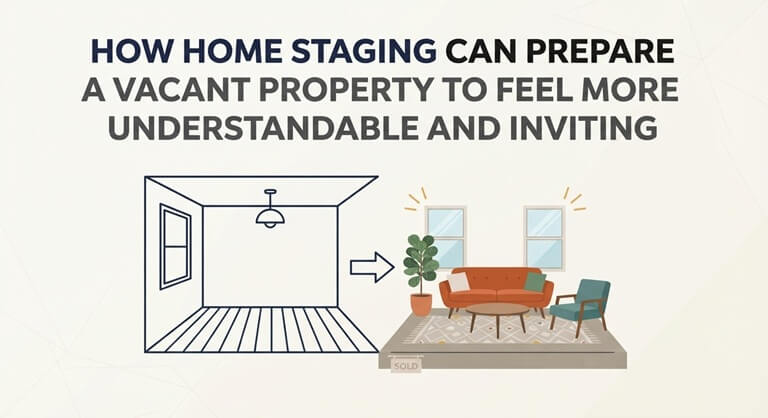
Greylyn Wayne can approach a vacant property by deciding where furnishing will provide the greatest value to the viewing experience. Some areas need a complete visual explanation, while others may require only enough furniture to communicate proportion and purpose. Selective presentation keeps attention on the property rather than turning the furnishings themselves into the attraction.
Empty Rooms Can Be Harder to Judge Than Expected
People often assume an unfurnished room will automatically appear larger because nothing occupies the floor. In practice, the absence of familiar objects can remove useful references that help visitors understand dimensions.
A buyer may wonder whether a living room accommodates substantial seating or whether a bedroom comfortably fits expected furniture. Those questions require additional mental work during a relatively short property visit.
Contextualizing dimensions with real points can make them easier to understand. Buyers are not only viewing available square footage but how it might be used when furniture is added in.
Prioritize the Rooms Buyers Need to Understand
Not all rooms need to be furnished the same way. In some cases, the larger living spaces can be more helpful in setting the tone as they shape the buyer’s perception of a home’s “real life” activities.
Spaces like the living room, dining room, primary bedroom, or other spaces important to the home may need more attention than secondary spaces. The priorities should still be based on the actual layout and distinctive features of the property.
Greylyn Wayne can concentrate on choices of furnishings that address the most customer questions. Strategic selection can also help avoid repeating the staging throughout the property.
Establish a Clear Purpose for Flexible Areas
There are some voids that have no apparent purpose. If you have an alcove, bonus room, loft, or open space next to another room, you may be left scratching your head about how you’d utilize the extra space.
One answer is a simple furniture arrangement. A desk could be a workspace, and a chair and table could indicate a reading area without it being obvious that it is only for reading.
The best presentation will have one main idea instead of a number of conflicting ideas. After buyers grasp one viable scenario, it is much easier to envision other options.
Use Furniture as a Reliable Scale Reference
Furniture offers familiar dimensions that allow people to use an otherwise empty room. A well-sized bed, sofa, dining table, or chair sets the scene for the rest of the floor and wall area.
Avoid Undersized Pieces That Distort Perception
Packing in exceptionally small furniture might offer up more open floor space; however, it can give an unrealistic sense of capacity. The presentation is to be credible, showing a relationship between normal household furnishings and the room.
Keep Oversized Pieces From Dominating
The other problem can occur with large furniture. If a piece takes up a lot of space, potential purchasers may think circulation and plan flexibility are limited.
A useful demonstration is not misleading, so scale is important.
Create Warmth Without Overdecorating the Property
Empty Houses can be cold and uninviting in appearance when there are not enough materials, textures, or objects, especially those that are personal in scale, to bring warmth to the architectural surface. Carefully selected furniture may enhance the welcoming atmosphere without obscuring significant building characteristics.
You can add warmth with textiles, tight accessories, art, and selected decorative details. These details should fit into the rooms but shouldn’t be a show for show’s sake, but instead, support the other features.
Editing remains essential. A buyer must have enough information to envision how they can live comfortably in the home, but still be able to see the property being considered.
Make the First Furnished View Meaningful
The first space buyers see when they enter the home can shape their impression of the rest of the house. If there is no entryway, but the space leads into several empty rooms, then it may not tell the personality or layout of the home.
The living/reception space can be well planned to create a sense of scale and function right from the start of your visit. Buyers receive a clear impression to help them explore a lesser-known area of the property.
It should be realistic, not theatrical. Too much decoration, mainly for attention, is not effective for communication, as is a comfortable balance.
Show Relationships Between Connected Rooms
When the architecture is not eventful, open spaces can sometimes be hard to interpret. The potential buyer might be able to see a lot of square footage but not realize right away how the adjacent functions relate.
Home staging in Portland can establish recognizable zones through furniture groupings while preserving clear circulation between them. A dining arrangement can define one section while seating identifies another, allowing visitors to understand both separation and connection.
The furniture should not form artificial barriers. For the larger area, the open sight lines and practical walking paths add organization without detracting from the area’s architectural character.
Keep Important Architectural Features Visible
The furnishings should suggest an empty house without concealing the amenities the purchaser wants to assess. Your windows, fireplace, built-ins, floor, ceiling features, and great views can play a big role in the look of your home.
The way these characteristics are arranged can focus attention on them. A seating area can suggest function, for instance, when set in an area that already has a focal point, such as a fireplace.
Greylyn Wayne can be held in check, and architecture will still play the lead role in the presentation. The best setup is the one that makes the most impact on the buyer first, and the staging second.
Consider How Photography Will Read
There are a lot of buyers who will see a residence they are interested in on the web prior to physically going to the home. Photographs of empty rooms can look flat because they lack the objects that indicate depth and scale.
Images can use furnishings to create a recognizable foreground, middle ground, and scale. They also contribute to the differentiation of rooms in the same building in the case of several rooms that share the same wall, floor, and finish.
The photograph should still realistically represent the property. When buying a car online, it helps if the pictures give the buyer an idea of what to expect when they visit the dealership.
Leave Enough Space for Buyers to Explore
Do not fill an empty home with clutter, leave it open. Give visitors ample space to move around, stop, look at features, and see spaces from various angles.
Keep pathways clear, especially near the entrance and where people move from one room to the next. Any furniture obstructions can otherwise make an otherwise functional layout look uncomfortable.
Selective furnishing may give better results as opposed to trying to make the entire space appear ‘livedin ”. Open space gives buyers a clearer idea of the layout and its flexibility.
Vacant Homes Benefit From Clear Visual Context
A vacant home requires the viewer to imagine all the furnishings, scale, the use, and atmosphere. Some can do this easily; others find it helpful to see a realistic example of how the rooms can be used.
A good presentation indicates dimensions without obscuring them or cluttering the architecture. Rooms that are empty can feel understandable and flexible, thanks to appropriately sized furniture, familiar functions, comfortable flow, and simple decorative elements.
A clean, empty house still allows prospective home buyers to visualize themselves living there and using the space in their own way. Staging can add visual context to a room to convey its scale in everyday life and make a collection of empty rooms feel more like a home whose function is easier to appreciate.
Popular on OTW Right Now!




About The Author

Gagan Bhangu
Founder of otechworld.com and managing editor. He is a tech geek, web-developer, and blogger. He holds a master's degree in computer applications and making money online since 2015.