
Beyond Plaud: 7 Meeting Recording Devices for HR and People Teams
HR conversations generate an enormous amount of information. Interviews contain details that influence hiring decisions, employee meetings create action items, training sessions introduce processes people need to remember, and internal discussions can shape policies that affect an entire workforce. Yet much of that information is still captured through handwritten notes.
Another solution is to use meeting recording devices. HR professionals can record conversations and review transcripts or summaries later instead of trying to listen, participate, and take notes at the same time. When used with care, these tools can add value to documentation and can help the person facilitating the conversation stay attuned.
Plaud is one of the more well-known brands in AI recording, but it’s by no means the only one. There are now many different methods for capturing meetings, such as wearable glasses, earbuds, dedicated recorders, and ambient AI devices. The ideal option for HR personnel should not just be accurate but also provide privacy, user-friendliness, and integration within current workflows.
Why Meeting Recording Is Different for HR Teams
HR teams conduct meetings where precision can be paramount, long after the meeting has concluded. Recruiters might want to refer to the candidate’s words during an interview, and learning teams may require copies of training session transcripts. People partners also hold meetings on a regular basis in which multiple follow-up actions are identified in a short discussion.
The recording is a helpful reference, but HR teams should use it with caution. Rules for recording consent vary by location, and organizations may have their own policies on employee and candidate information. Teams should establish guidelines before introducing any recorder, such as when the recorder is allowed to be used, how the participants are told about it, who will have access to what, and when the recording will be dropped.
What Should HR Look for Before Choosing a Plaud Alternative?
The right recorder should streamline administration, not create an extra complicated workflow. While useful, HR buyers should also look at the time it takes to get recording started, its ability to record both in-person and over-the-phone conversations, and ease of use for employees during the day.
When comparing the best Plaud alternatives, HR teams should look beyond headline AI features. A practical evaluation should include:
- Recording convenience: Can a meeting be captured without interrupting the conversation?
- Transcript and summary quality: Are key decisions and follow-up tasks easy to identify?
- Privacy controls: Is it clear when recording is active?
- Battery life: Can it handle a normal day of interviews or meetings?
- Data management: Can HR control how recordings are stored, shared, and deleted?
- Form factor: Is a card recorder, earbud, wearable, or pair of glasses more suitable?
Responses will be different across organizations. If a recruiter is on the go from office to office, they might appreciate portability; if an HR operations team has long meetings, they may be looking for something that will last long and export a transcript easily.
7 Plaud Alternatives Worth Considering for HR Work
In every people team, there isn’t one standard device format that fits all. Some are somewhat similar to Plaud’s approach of having a dedicated recorder, but others make the devices that employees wear their own meeting assistants.
Here are seven options that represent the different directions meeting-recording hardware is taking in 2026.
1. TicNote AI Voice Recorder
One of the closest alternatives to a dedicated recorder for teams is TicNote. It’s ideal for meetings, interviews, calls, and voice notes, and offers AI-powered transcription in over 120 languages. It can also create summaries, meeting minutes, and mind maps from recordings.
TicNote might be a great fit for recruiters and people managers, who are constantly interviewing and attending meetings. It’s recorded in the conventional format and therefore easy to understand, but still requires users to carry, position, and activate another device.
2. Dymesty Cook Edge
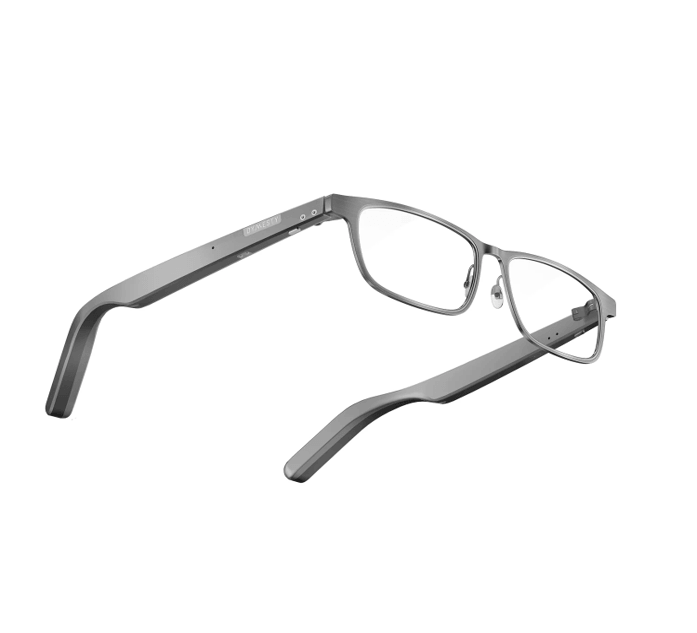
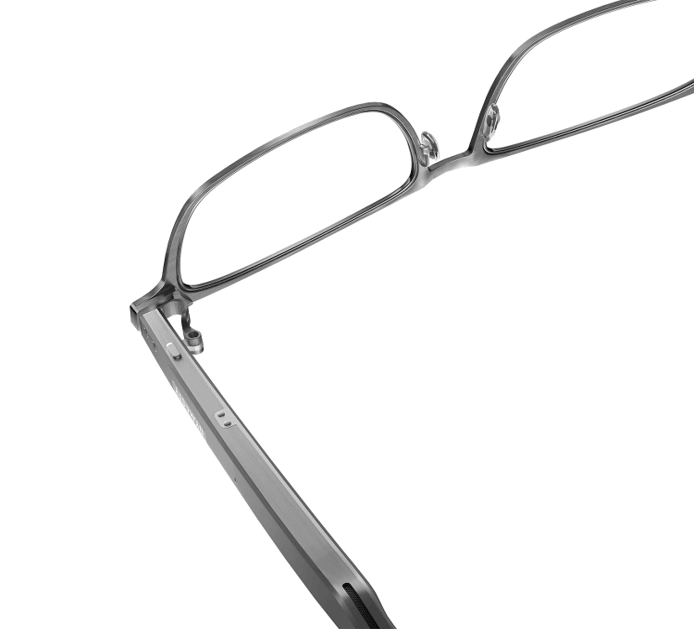
A different approach is to build the recorder into something the user is already wearing. Dymesty Cook Edge is a pair of camera-free AI glasses with four microphones that can record meetings and turn conversations into transcripts and summaries through the Dymesty system. Visual translation, calls, and audio functions are also included in the glasses.
What’s great for busy HR pros is the convenience. No separate recorder to put on a desk or to remember to collect between meetings; the user can start recording in the glasses. Additionally, the camera-free design might be more accessible in the workplace where staff members may not like wearing a camera on their head.
3. HiDock P1
HiDock P1 is built around a different HR challenge – recording face-to-face meetings and online calls. It provides room recording and a Bluetooth earphones-enabled mode to record conversations from a computer or supported phones, without needing a meeting bot.
It can transcribe in over 75 languages and generate AI summaries. This may be helpful for HR professionals who are using Zoom or Teams for interviews, but also have to travel to the interview room, as it is another standalone gadget they have to connect and bring along.
4. viaim RecDot
RecDot is a wireless earbud meeting-recording solution. Meetings, phone calls, and web conversations can be recorded, and a transcript, summary, and action items can be created. Unlike a standard tabletop recorder, recording can begin either from the earbuds or the earbuds charging case.
That’s a format that could be helpful for recruiters who are already spending a ton of time in the day on earbuds for the interview and call. It can help to eliminate the need to shift between headsets and a recorder, but if teams want to use it during longer face-to-face conversations, they should determine if workers want to wear earbuds in those situations.
5. iFLYTEK Smart Recorder
iFLYTEK does it the old-fashioned professional-recorder way. It features Smart Recorder for real-time and offline transcription and can record multiple conversations from a meeting room with multiple microphones. It can also generate the minutes and summary of a meeting in a structured format.
Offline transcription is especially intriguing for organizations that wish not to rely on a live internet connection for any element of the transcription process. The separate microphone system is also helpful for HR departments that conduct longer meetings or training sessions, where multiple individuals are speaking around a room.
6. Omi Wearable
Omi is the start of a new wearable AI memory device. The necklace-style device is compatible with an app that can record conversations, transcribe them, create meeting summaries, determine tasks, and search for past conversations.
HR might find it helpful if there was a wearable option that was always at their fingertips at conferences or unstructured meetings, or during days with a lot of talking. Meanwhile, ambient recordings demand more clearly established rules in the workplace. It is not acceptable for employees to ever have to guess if they are being monitored.
7. Amazon Bee
continued to grow as a personal AI device that understands your conversations and can create helpful insights and proposed actions. According to Amazon, the system can transcribe conversations in real-time, without saving the original sound file.
The light wearable design might be appealing for individual professionals who prefer reminders and follow-up support in the form of conversation rather than a traditional recording. Where organizations are thinking about implementing ambient AI devices, however, they need to be careful about their privacy, security, and employee-data policies.
Dedicated Recorders and Wearables Solve Different Problems
Plaud-style recorders are useful when the person needs an unambiguous device to record unambiguous recordings. The interviewer may set the recorder down, start the interview, and put it away at the end. This visible workflow can also help reduce the barriers to communicating that a recording is occurring.
Wearables are more about reducing friction. Products such as Dymesty meeting recording glasses can keep recording functions available without requiring HR professionals to pull out another device before every conversation. This can come in handy for individuals who are running many meetings, but make sure there are established guidelines for the organization around when recording can be turned on.
Which Type of Device Fits Different HR Tasks?
HR leaders shouldn’t look for the longest list of features in their preferred device; rather, they should start with the conversations the HR leader wants to capture. Practical with formal meetings as the main need are dedicated recorders like TicNote, HiDock and iFLYTEK.
For convenience, wearable forms are better. Whether this is for a person who needs glasses throughout their entire day, or for a person who spends hours on calls, or for a person who switches between conversations throughout the day, there is a solution for everyone.
Recording Should Support HR Judgment, Not Replace It
AI summaries are a time-saving feature, but HR teams should not rely on the automatically generated notes as a 100% accurate record. Names can be mispronounced, accents can be confused, industry jargon can be misinterpreted, or the lines of speech can be confused. An automated summary may focus on one aspect of a discussion when a human summary would not have.
These are important subjects that should still be reviewed in person, like employee relations information and compliance documents, or important decisions in an interview. The role of meeting technology is to make people less of a burden on the note taker and to make it easier for people to go back and look at what was decided – not to make decisions for sensitive people.
Better Meeting Records Start With Better Policies
Meeting recorders can assist HR professionals by cutting down on time spent writing and increasing time spent listening. Interviews can be reviewed more easily, training can be converted into repeatable notes, and follow-up work can be recorded and not lost over the course of a full day.
HR, however, is no ordinary recording environment. For instance, information about the candidate, employee interviews, complaints, and internal communications may include sensitive information. With any hardware they select, organizations should have a clear consent, access, storage, retention, and deletion policy.
Although Plaud made dedicated AI recording more popular, the alternatives indicate the category is growing rapidly. A recorder, a pair of earbuds, smart glasses, or other wearable device could be the ideal tool for an HR team right now. The key is to select a tool that will ease the documentation process while not making the employees or candidates uncomfortable with the conversation.
Popular on OTW Right Now!
About The Author

Gagan Bhangu
Founder of otechworld.com and managing editor. He is a tech geek, web-developer, and blogger. He holds a master's degree in computer applications and making money online since 2015.