
9 Economic Reports That Move the Forex Market the Most
Ask any ten traders why a pair just spiked, and half of them will tell you it was liquidity, algos, or just bad luck. What they may not know is that the real answer was hiding in plain sight on an economic calendar nobody reads anymore. For example, a labor department announcing a jobs count or a policy statement from the central bank can cause a price spike in one direction.
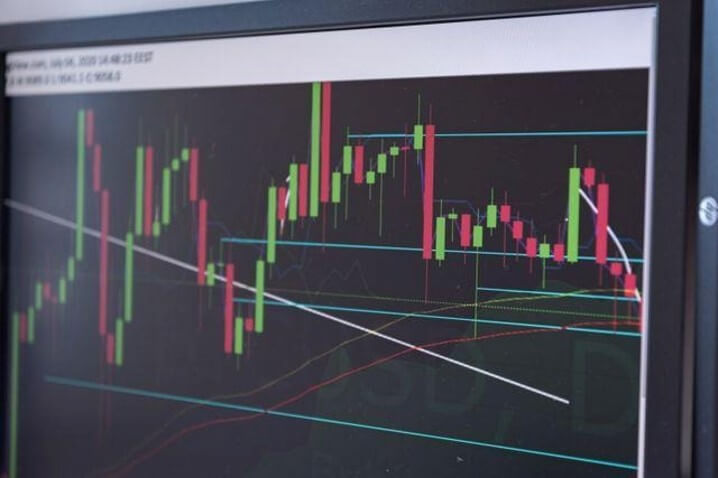
None of that happens out of nowhere. Experienced traders know that a currency’s value tracks how healthy its economy looks next to its trading partners. Economic reports provide one of the clearest snapshots of that health and help explain why prices move the way they do.
Some reports are barely felt once they are published. On the other hand, some reports can influence all the major currency pairs immediately. It is useful to know which ones belong to the second group in order to be ready for an abrupt red candle formation.
Here are nine economic reports that move the forex market the most:
1. Consumer Price Index Reports
Following trusted market updates, including forex news RoboForex, can help traders stay on top of the economic releases and policy announcements that drive those moves.
For example, the Consumer Price Index tracks how much prices for goods and services have fluctuated over a set period, and it is the main gauge central banks use to judge inflation. High inflation often pushes a currency up in the short term, as traders expect a tighter policy response.
Low or falling inflation can weaken a currency for the same reason in reverse. Core CPI, which strips out food and energy prices, tends to matter more than the headline number.
2. Interest Rate Decisions
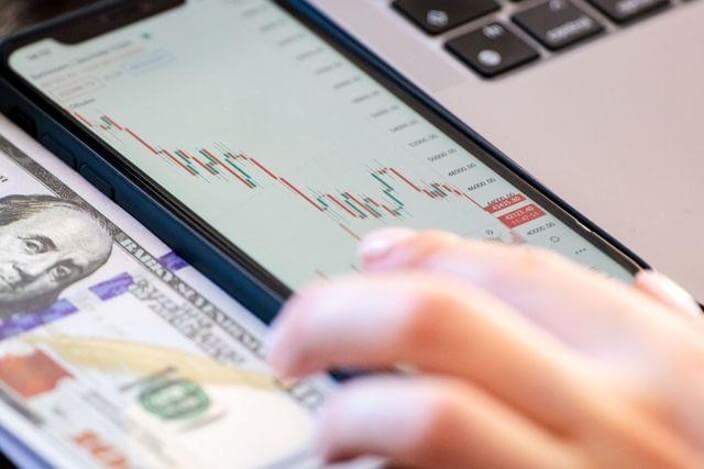
Interest rate decisions move currencies more than almost anything else, since they change the return an investor earns simply by holding a currency. When a central bank raises rates, money tends to flow into that currency in search of higher yields.
On the other hand, when a bank cuts rates or signals it might, the currency usually weakens. The tone of the statement accompanying the decision matters as much as the decision itself. A rate hold paired with hawkish language can move a pair as much as a hike.
3. Nonfarm Payrolls
The Nonfarm Payrolls report lands on the first Friday of most months and measures how many jobs the US economy added outside farming and government. Traders watch it because it shows how well the labor market can support consumer spending and growth.
A number above forecast usually pushes the dollar higher, since it raises the odds the Federal Reserve keeps rates steady or raises them. A weak print does the opposite. The reaction often plays out in the first minute, before most retail traders have opened their platform.
4. Gross Domestic Product

Gross Domestic Product measures the total value of goods and services a country produces over a quarter or a year, and it’s the broadest snapshot of economic health we have. A better-than-forecast GDP report indicates that the economy is expanding faster than projected.
Worse-than-expected data signals slowing growth and generally weighs on it. As GDP releases are delayed and regularly revised, market players tend to treat the first release as preliminary. All of these can move the forex market in any way.
5. Retail Sales Data Reports
Retail sales data tracks how much consumers spent in stores, restaurants, and online the previous month. Since consumer spending accounts for a large share of economic activity in most developed economies, a solid retail sales report suggests households are confident enough to spend — generally boding well for the currency.
A weak report can signal consumers are pulling back, often ahead of other data confirming a slowdown. Traders also watch the report excluding auto sales, since vehicle purchases can swing the headline number.
6. Purchasing Managers Index
Purchasing Managers Index surveys ask business leaders in manufacturing and services whether conditions are better, the same, or worse than the prior month. Fifty-plus readings mean expansion, while sub-fifty means contraction.
Since the surveys go to people who make real-time purchasing and hiring decisions, that data typically hits before official reports confirm what the PMI already implied. Investors use it as a preview of where GDP and employment numbers should be.
7. Unemployment Rate
The unemployment rate reports the share of the labor force actively seeking work but not finding it, and it often moves alongside the jobs report, though it can send its own signal.
A falling unemployment rate suggests the labor market is tightening, which can push wages and eventually prices higher.
A rising rate points to economic slack and can pressure a central bank to ease policy. Traders sometimes see a currency move even when payroll growth looks solid.
8. Trade Balance
The trade balance measures the difference between what a country exports and imports, and a shift in either direction can meaningfully move a currency. A growing trade surplus usually means strong demand for a country’s goods from abroad, which requires foreign buyers to purchase the local currency to complete those transactions.
9. Consumer Confidence
Consumer confidence and sentiment surveys ask households how they feel about current conditions and where they expect the economy to go. These reports are forward-looking rather than measures of what has already happened, which is why traders pay attention to them.
Rising confidence tends to precede stronger retail spending and can support a currency ahead of the harder data confirming it. Falling confidence often signals a slowdown before it shows up elsewhere in the data.
Conclusion
None of these reports moves a currency in isolation forever. What matters is the pattern they build together over weeks and months, since a single strong jobs report or a soft inflation print rarely changes a trend on its own.
Once you know which releases are on the calendar and what each one measures, the price action around them starts to make sense. Focus on the reports covering jobs, prices, and growth first, since those three drive most of the volatility in any major pair.
Popular on OTW Right Now!




About The Author

Gagan Bhangu
Founder of otechworld.com and managing editor. He is a tech geek, web-developer, and blogger. He holds a master's degree in computer applications and making money online since 2015.