
Innovative Strategies for Modern Workforce Management
Key Takeaways
- AI tools can streamline HR operations and improve organizational decision-making.
- Cloud-based platforms provide flexibility, scalability, and real-time access to critical workforce data.
- Data analytics serves as the foundation for smarter resource planning and targeted recruitment.
- Sustained employee engagement and well-being lead to higher productivity and reduced turnover.
- Ongoing training ensures employees can adapt to evolving business requirements.
Businesses are continually being challenged to enhance their workforce management systems in today’s fast-changing business environment. The use of advanced technologies and adopting a data-driven approach can help businesses streamline their operations, improve employee satisfaction, and boost overall productivity. For an insightful introduction to workforce management basics, HR and leadership teams must familiarize themselves with the foundational elements that shape effective workplace strategies.
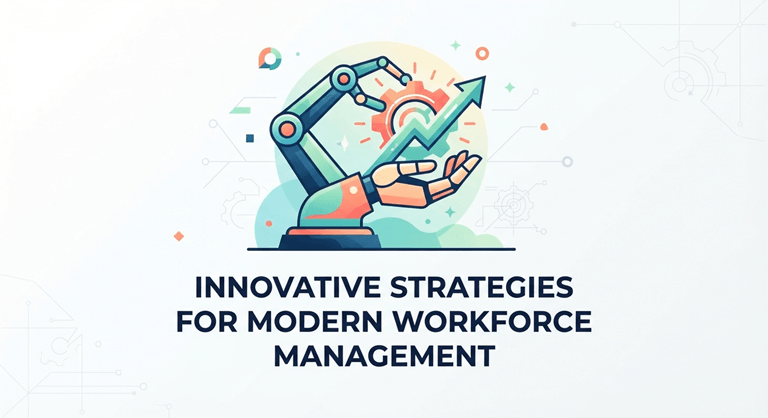
The shift in workforce management involves the use of solutions that allow real-time decision-making, remote working, and agile adaptation to business demands. With the business landscape changing its strategy, taking care of people and continuous learning is as important as efficiency. To meet the demands of the modern workforce, modern workforce management systems combine technology with people-based working methods.
Successful companies realize that change in the workforce doesn’t just involve automation. This means building engagement, developing talent, and keeping compliance on track and agile in times of change. Leaders can foster resilient workplaces prepared for adaptation and sustainable growth by focusing on strategic HR improvements.
The focus of this article is on the key strategies and technologies that pave the way to success in workforce management, such as the use of Artificial Intelligence, Cloud solutions, Data analytics, and comprehensive strategies for employee engagement.
Embracing AI in Workforce Management
This is the way AI is transforming the way organizations deal with their workforces. HR professionals can use AI to automate repetitive tasks like scheduling, payroll, and candidate screening, enabling them to concentrate on strategic initiatives. Performance data is being analyzed with machine learning algorithms to predict turnover and create customized training plans for employees. AI chatbots can efficiently handle simple HR-related questions, reducing the workload and guaranteeing prompt responses for staff.
AI technologies can also help businesses with predictive analytics, providing valuable insights that lead to informed workforce planning decisions. Predictive scheduling, for instance, can assist managers in identifying labor requirements and effectively managing staffing, which helps minimize the risk of under- or overstaffing.
Leveraging Cloud-Based Platforms
Cloud-based platforms are an indispensable tool for today’s workers’ lives, offering anyone instant access to HR information, regardless of where they are. These systems allow for scalability, accommodating organizational expansion, without the need for expensive infrastructure. Cloud access to real-time data increases agility, simplifies operations,s and enables collaboration within remote and hybrid work teams. Cloud systems provide the flexibility that’s necessary for changing workplaces, be it altering payroll or rolling out new benefits.
Many of the cloud-based workforce solutions platforms also come with sophisticated analytics dashboards which allow leaders to track critical metrics, identify trends, and then quickly figure out where they can improve. Centralized information provides organizations with greater security, compliance management ease, and new employee onboarding.
Utilizing Data Analytics for Strategic Planning
The ability to interpret and analyze data is a key component of a solid workforce management program. Data analytics can help make informed decisions about hiring, scheduling, and talent development as organizations collect more information regarding their staffing patterns, skills inventories, and productivity metrics. Predictive analytics, in particular, helps HR managers anticipate peak times and adjust accordingly, saving on unnecessary labor expenses.
Data-driven insights also highlight skill gaps and inform specific upskill strategies. This is a complete solution that allows businesses to match the skills needed with the skills required in the future and more accurately predict industry changes.
Prioritizing Employee Engagement and Well-Being
Businesses that focus on employee engagement enjoy higher productivity, employee retention, and overall happier workplaces. There is a strong sense of belonging for staff through regular feedback, recognition programs, and clear goal setting. An open and collaborative culture, both geographically and virtually, creates a positive organizational culture.
Furthermore, work/life balance is still a critical component of employee wellness. These benefits highlight the company’s commitment to the overall health and well-being of its workforce.
Investing in Continuous Training and Development
Businesses are constantly evolving, and their processes change with them; thus, training the workforce is a continuous effort. Top companies provide avenues for their staff to develop their skill, which include mentorship, professional workshops, and e-learning. These investments enhance staff confidence as well as aid businesses in staying competitive in their markets.
Investing in employees’ development can help ensure long-term capability and engagement, and build loyalty. In today’s business landscape, the focus is on developing talent as a key component of a future-ready organization.
Integrating Compliance and Risk Management
Compliance with labor laws and industry regulations is essential for business integrity and sustainability. Workforce management systems are a key factor in automating compliance monitoring and in minimizing risk. Automated reminders for certification renewals, overtime tracking, and proper recordkeeping help organizations stay ahead of the curve in meeting regulatory requirements.
These built-in compliance solutions safeguard against legal risks and boost employee and stakeholder trust. All workforce management programs should have regular audits and continuing regulatory education to become best practice.
Adopting Agile Workforce Strategies
Agile workforce management allows organizations to adapt quickly to changing market demands and internal priorities. Cross-functional teams, iterative planning, and continual feedback loops keep the workforce on track with business goals. It fosters cross-departmental collaboration and problem-solving, boosts responsiveness, and drives innovation.
Agile strategies enable teams to adapt and overcome operational challenges by placing a focus on change, flexibility, and continuous improvement.
Conclusion
The adoption of an effective workforce management solution requires a holistic strategy that encompasses digital solutions, a culture that values employees, and strategic adjustments. With the use of AI technologies, cloud solutions, improved data analytics, and continuous employee learning, businesses can build a resilient workforce ready for tomorrow’s challenges. With a proper base and foundation, companies will realize a better level of productivity, employee satisfaction, and competitive advantage as well.
Popular on OTW Right Now!


About The Author

Gagan Bhangu
Founder of otechworld.com and managing editor. He is a tech geek, web-developer, and blogger. He holds a master's degree in computer applications and making money online since 2015.