
Is a Dual Battery System Worth It for Weekend Camping?
A dual battery system can be a smart upgrade for weekend camping, but it is not automatically the best use of money for every setup. Its main appeal is simple: it lets you run camping gear from a separate battery without risking the starting battery you need to drive home. For campers using a fridge, camp lights, phone chargers, an air pump, or a small inverter over one or two nights, that extra security can be valuable. At the same time, many short trips place only modest demands on stored power, which means a portable power solution may cover the same needs for less cost and less installation effort. The real question is not whether dual battery systems work well. It depends on whether your camping habits justify the added cost, weight, and complexity.
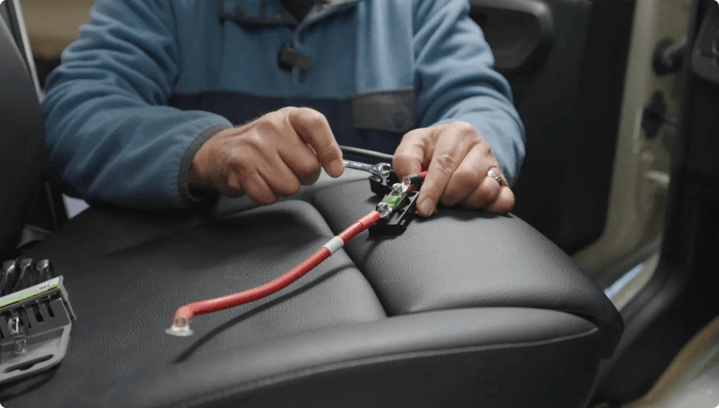
What Does a Dual Battery System Actually Do?
How a Dual Battery System Powers Camping Equipment
Camping equipment is run off a dual battery system where accessory loads are switched over to the auxiliary battery as opposed to the starter battery. That means the use of common weekend equipment like compressor fridges, LED lighting, water pumps, fans, GPS units, cameras, and phone chargers can be used when the vehicle is parked. If the system incorporates regulated charging, it can charge the auxiliary battery from the vehicle alternator while driving to camp, and then provide a stable power source when you reach camp. There is also some solar input on some setups that helps to increase the runtime during longer stops. For campers with small inverters for laptops or low-watt appliances, the second battery is a better backup power than the car’s starting battery.
Why Weekend Campers Consider Adding a Second Battery
A second battery is typically considered by weekend campers for the convenience and peace of mind it provides. Even with a short trip, there are still certain power consumptions, particularly if a fridge is running all day, lights are left on after dark, and there are a few devices that require charging. It’s not easy to drain a battery for a starter repeatedly, and it can create a problem for a vehicle’s reliability and become a recovery problem for a getaway. A dual battery system solves that by separating essential vehicle power from campsite power. It is also ideal for campers who travel frequently enough that portability becomes a hassle. Moving between camp spots regularly, camping most weekends, or looking for a more permanent, cleaner solution in a 4WD, ute, van,n or trailer, a second battery is no longer a luxury but becomes a practical upgrade.
Is It Worth the Investment for Weekend Camping?
When a Dual Battery System Makes Financial Sense
When the dual battery option cuts down on hassles and substandard deals, it’s a wise investment. The cost is more easily justified if you already have or are thinking of owning or using a fridge on the majority of trips. The same applies to campers who are out on a regular basis, and packing, charging, ing and having to keep two portable devices separate becomes awkward. A fixed setup can save effort over time, can help to prevent draining of the starter battery, and can aid in battery charging during the drive. It also works well for vehicles that are used exclusively for touring or frequent weekend trips, where the power system is integrated into the camping setup instead of being a one-shot deal. “al”.
Situations Where a Simpler Power Solution May Be Enough
If your trips are short, your electrical load is not that significant, and your camping activities are simple, a simpler power solution is often sufficient. A portable power pack or even a high-capacity USB setup might be the solution if you are camping for one or two nights and you only need to charge phones, small lights, and possibly even a compact fan for a period of time. This applies particularly to campers who don’t have a fridge, arrive home before battery power becomes a concern, or camp at locations that have mains power. A simpler setup also eliminates the costs of installing and modifying the vehicle, as well as the additional weight of a permanent second battery. That’s the lower commitment that may make more sense for occasional campers.
How to Choose the Right Dual Battery System
Key Features That Matter for Weekend Adventures
When travelling during the weekend, safety features that are important include adequate battery isolation or DC charging, visibility of battery status, robust protection, and sufficient output ports for your equipment. Connecting through USB ports, 12V outlets, or Anderson plugs can make for a very convenient setup at camp. The ability to charge it well is also important, particularly if you are considering connecting solar power later, or if you have a smart alternator. These factors have to do with durability as well, since camping systems are faced with vibration, dust, and heat. In the event of limited space, it may be easier to handle a compact or portable auxiliary battery design than a fixed under-bonnet design. But for most weekend users, it’s as important to be easy to use as it is to be as large as possible, as a simple system is used correctly every time.
Comparing Capacity, Charging Options, and Portability
Capacity, charging, and portability should be considered in conjunction with each other and not independently. Larger batteries provide more run time but also increased charging requirements, weight, and cost. When camping out on the weekends, a sufficient amount of usable power can be more useful than having excess capacity that requires extended trips to be recharged. The typical foundation is Alternator charging, and it can be handy to have Solar input if you remain stationary all day long. Portability also alters the buying choice. A fixed system is appropriate for campers who have a vehicle set up for them, or a portable dual battery system can be transferred between vehicles or used outside the car. The right choice is one that is appropriate for their travel pattern, not the most elaborate.
Conclusion
You can justify getting a dual battery system if you are using a fridge or other useful load on weekends, and don’t want to risk losing the power to your starter battery. The added reliability and convenience are often worth the investment for frequent campers. When usage is lighter, a more basic portable power solution might be preferable and serve the same purpose without the added expense and complexity. The best way is to purchase only what you will use for the trips that you will be taking. If you consistently go past the basic charging/lighting needs on weekends, a dual battery system isn’t an “extra,” but it is a practical and reasonable enhancement.
Popular on OTW Right Now!



About The Author

Gagan Bhangu
Founder of otechworld.com and managing editor. He is a tech geek, web-developer, and blogger. He holds a master's degree in computer applications and making money online since 2015.