
Why Network Performance Depends on Managed IT Services
Every modern business depends on a reliable network. Whether employees are accessing cloud applications, communicating with clients, sharing files, or managing daily operations, a stable network keeps everything running efficiently. When performance issues arise, they can quickly affect productivity, customer satisfaction, and overall business performance.
Many companies assume slow internet is the primary reason behind network problems. In reality, poor performance is often caused by outdated infrastructure, improper configurations, aging hardware, security issues, or a lack of ongoing maintenance. Instead of waiting for problems to interrupt operations, many organizations choose Managed IT Services in Birmingham to proactively maintain and optimize their technology environment.
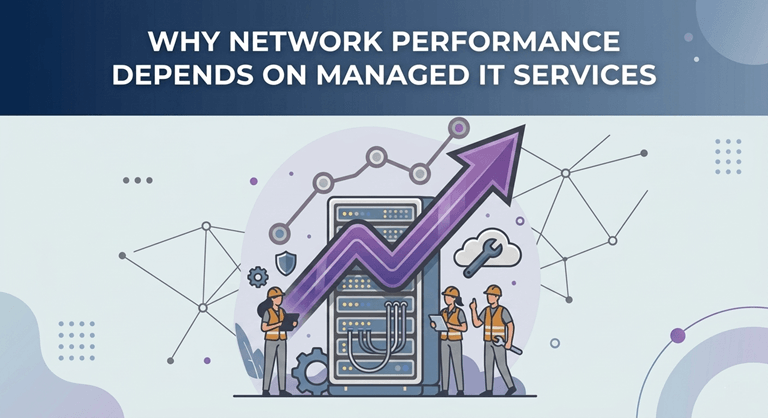
Network Performance Is More Than Internet Speed
Business owners tend to evaluate their network just on the basis of its internet speed. Although bandwidth is important, there are multiple components that need to work in unison to make for good overall performance. Whether it’s a router, switch, server, wireless access point, security device, or workstation, they all contribute to a seamless user experience.
When one component of the infrastructure fails, employees might experience applications becoming sluggish, video calls dropping, file transfers failing, or inconsistent connections. All these little things add up and may become more costly to fix if left unchecked.
The Value of Proactive IT Management
Traditionalbreak-fixx support is only reactive and treats issues after they impact the business. This “damage control” strategy typically results in unforeseen downtime, emergency repairs, lost productivity, and more.
A proactive approach is more focused on prevention rather than repair. Continuous monitoring can detect impending hardware failure, software problems, storage capacity running low, and unusual occurrences in the network before they cause serious disruptions. Regular maintenance also helps to keep systems updated, secure,e and optimized for business operations.
This results in consistent performance, rather than businesses having to constantly deal with technical crises. For businesses in Raleigh, Alta Tech managed services supports this preventive approach through continuous system monitoring, help desk support, patching, and day-to-day IT management designed to catch problems before they cause downtime.
Strong Infrastructure Creates Long-Term Reliability
A good network begins with a good network design. With the expansion of an organization, more employees, cloud applications, connected devices, and security devices will be putting more strain on the existing infrastructure.
These increasing workloads may not be able to be handled by old equipment unless it is upgraded. Clogged networks cause delays, unstable links, and slow down the productivity of the organization.
Infrastructure assessments are carried out regularly to identify any bottlenecks, aging infrastructure, and any potential areas for future upgrades before they become obvious and performance deteriorates.
Physical Infrastructure Matters
While some technology investments are directed at computers, servers, and networking devices, there is also a physical infrastructure that supports the network, which is important. Failure to properly route cables, damaged cables, or substandard installations can have a negative impact on communication between the devices.
Professional Network Cabling Services provide a structured foundation that supports consistent data transmission, easier troubleshooting, and future expansion. A well-designed cabling system also makes it easier to maintain the system and minimizes network downtime.
Cybersecurity and Performance Go Together
Security threats can impact more than sensitive data; they can also impact overall network performance. Malware, ransomware, and out-of-date software can use up precious resources, which results in slow response times and problems with the operation.
The Internet offers an effective way to keep operating systems updated, to track network activity, to implement endpoint protection, and to maintain secure access controls, creating a healthier technology environment. Organizations that invest in cybersecurity tend to have less downtime and more stability.
Preparing for Future Growth
As businesses grow, so do their needs for technology. Technology such as the hybrid workplace, cloud computing, video conferencing, and connected devices puts new demands on existing systems.
Preparing for growth helps organizations to prevent future redesigns, which will be expensive. Scalable infrastructure enables companies to deploy new technologies without compromising reliability and performance.
Future-proof companies are not just buying technology as an investment, but as a long-term investment.
Lower Costs Through Prevention
Surprises are costly when they come to a business’s operation. Operating costs can be high due to lost productivity, emergency repairs, delayed customer service, and disrupted business operations.
Preventive maintenance diminishes the risk of these issues from becoming critical failures by recognizing potential issues before they happen. Businesses also prolong the life of their current equipment, thus lowering the need for unnecessary hardware replacement and increasing ROI.
This will allow companies to concentrate on strategic growth and customer service, instead of being constantly preoccupied with technical issues.
Better Employee Productivity
Reliable technology has a positive impact on employee performance. Quick systems enable teams to operate more efficiently, have access to essential files, and communicate well with customers and colleagues.
With fewer technical challenges to deal with, staff members can dedicate more time to activities that boost their company’s success. Having a consistent network performance also helps to providecustomers withs a better experience by minimizing delays and enhancing the service quality.
Conclusion
High-performance network means more than high-speed web connections. Relying on proactive maintenance, stable infrastructure, advanced security measures, and strategic planning. Companies that take a proactive approach to IT management will be less prone to disruption, have lower operating costs, greater productivity, and a higher level of confidence in their technology. The reliability of a network today willlead too a greater foundation for business growth in the future.
Popular on OTW Right Now!


About The Author

Gagan Bhangu
Founder of otechworld.com and managing editor. He is a tech geek, web-developer, and blogger. He holds a master's degree in computer applications and making money online since 2015.