
Best SaaS Solutions for Pathology Laboratories
Pathology labs run on software more than most people outside the field realize. A single platform does everything with specimen tracking, case management, reporting, billing, and integration with hospital systems. The wrong one leads to slowdowns, mistakes, and employee frustration. Choosing the right laboratory information system (LIS) has become more difficult than ever,r with new vendors entering the field each year.
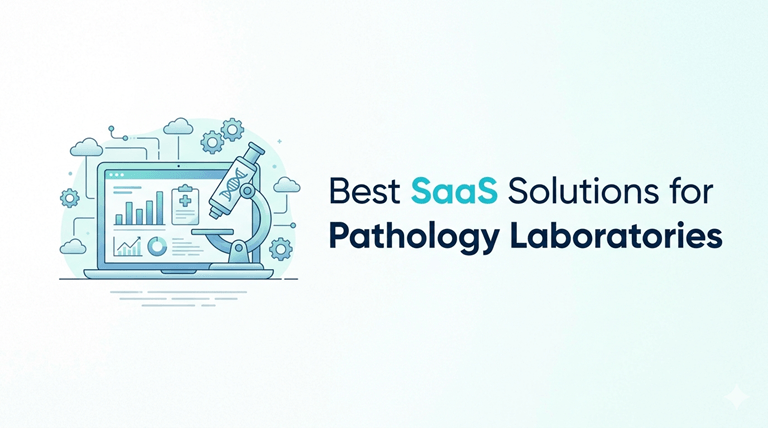
The list below outlines great SaaS platforms that are well worth considering for pathology operations of various sizes and specialties. It begins with our featured solution, then progresses to other known solutions in the space.
1. NovoPath
NovoPath has built its reputation in anatomic pathology, and that focus shows up in how the platform handles the work. Full case life cycle with barcoded specimen tracking, configurable workflow, WS,ws and seamless digital pathology scanner and EHR integration. Labs that specialize in surgical pathology, cytology, dermatopathology,ogy and molecular work typically discover that NovoPath doesn’t force any workarounds to process their case types.
A few things stand out about the platform:
- Lab configurable workflow configuration without a vendor ticket required for changes.
- Structured data capture and synoptic reporting, important for cancer cases and tumor boards, are natively supported.d
- Created dashboards for turnaround time, workload, ad, and quality metrics.
- Integrations with digital pathology, billing systems, and the big EHR systems.
NovoPath is geared toward midsize and larger anatomic pathology groups, reference labs, and hospital systems that require a platform that is designed for their type of work, not a general-purpose LIS that has been adapted to fit their needs.
2. Epic Beaker
Beaker is the pathology module of the larger Epic system. One clear benefit of Beaker for hospitals and health systems already using Epic is seamless integration with the entire EHR. Orders, results, and patient records flow between clinical workflow and pathology workflow without the burden of an interface engine.
The disadvantage is that Beaker is best deployed in a larger Epic deployment. Smaller hospitals without Epic in their IT environment, or standalone pathology groups, generally benefit from a platform designed for pathology as its primary function.
3. Sunquest
Sunquest is a longtime player in the laboratory information systems market, having been established for many years in the clinical pathology and hospital lab operations market. Their anatomic pathology offering includes the typical workflow requirements and is complementary to their overall lab suite. In larger health systems, where there are several lab specialties within the same facility, some larger facilities may even use Sunquest because of the consolidation benefit.
The history of implementation time and flexibility has been an issue, and labs considering Sunquest should ask existing customers about their experience with both.
4. Orchard Software
Orchard focuses on the small to midsize lab market and has gained a loyal customer base in physician office labs, vet path, and specialty labs. Anatomic pathology products from their meet the fundamental requirements without the complexity or expense of enterprise platforms. Orchard is an option to consider if there is a strong requirement for functionality with limited IT resources.
5. LigoLab
LigoLab is a new player that is starting to get traction among pathology groups that want a cloud native architecture and modern UI. The platform offers revenue cycle management, anatomic and clinical pathology in a single solution, a benefit for independent labs looking to streamline vendors.
6. XiFin
While XiFin’s most well-known work is in the field of revenue cycle and billing for lab space, they have moved into the wider field of LIM. Labs that are billing complexity-based first, then adding pathology workflow capabilities, are likely to consider XiFin first.
What to Look For When Evaluating
Software demos are designed to impress. Real evaluations come from asking harder questions:
- What is the typical timeframe for an implementation, from contract to go live?
- What if the lab wants to change its workflow after going live?
- How is the vendor prepared to support integration with digital pathology, EHR, and billing systems?
- What is ongoing support really? It’s not in your sales pitch!
- What are others saying about similar labs that are on the platform?
Case mix, volume, need for integration, and budget will all be different, and the best SaaS solution will vary from one pathology lab to the next. The platforms on this list are all different sizes and work well for different profiles; a short list of two or three, and then thorough reference checks, is the usual recommended selection process.
Popular on OTW Right Now!



About The Author

Gagan Bhangu
Founder of otechworld.com and managing editor. He is a tech geek, web-developer, and blogger. He holds a master's degree in computer applications and making money online since 2015.