
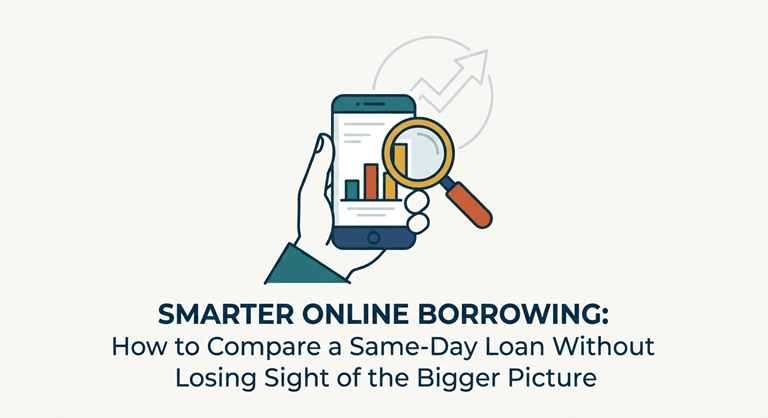
Smarter Online Borrowing: How to Compare a Same-Day Loan Without Losing Sight of the Bigger Picture
The technology behind a quick borrowing decision
When an unexpected bill arrives, the internet can make borrowing look almost effortless. A search, a short form and a few automated checks may appear to turn financial pressure into an immediate solution. That convenience can be useful, but speed should never replace careful thinking. A fast application is only helpful when the product, cost and repayment plan make sense for the person using it.
The right way to approach a same-day loan is therefore less about clicking quickly and more about using digital tools to slow the decision down long enough to ask the important questions. Is the expense genuinely urgent? What will the total repayment be? Can the installments fit comfortably alongside rent, utilities, food and existing commitments? And is the website handling personal information in a way that looks credible and secure?
1. Separate an urgent need from a convenient want
Start by writing down the reason for borrowing in one sentence. Replacing a broken appliance, covering a necessary repair, or dealing with an unexpected essential bill is different from buying something that could wait. This simple distinction matters because short-term credit is easiest to manage when it solves a defined problem with a clear endpoint.
Consider the alternatives if the purchase can be postponed: a payment arrangement, a more affordable replacement, talking to the provider you owe, or time to save. With technology, it is easy to compare offers, but it can also make an impulse appear as if it were an emergency. Keep the decision on track by writing a calm explanation of the need.
2. Use the lender’s own figures, not a headline rate
Looking at a prominent annual percentage rate or an attractive “from” rate isn’t enough to make a judgment about an offer. Check the final cost, number of payments, payment schedule, any penalties or charges, and the repercussions of missed payments. When reviewing information about same-day loans, for example, the useful comparison is the complete repayment picture rather than the speed suggested by the product name. Total costs can vary widely between similar products once you consider the details.
When applying, note down three numbers: the money received, the amount to be repaid, and the payment date. Those figures are not easy to come up with; then it’s a good reason to take a break and get clarification. A good comparison should make it clear, rather than having to deduce from fine print.
3. Turn repayment into a realistic monthly test
The first repayment is not the question of affordability – the affordability question is. It’s whether and when every payment covers all normal expenses and current credit obligations. Creating a basic budget is as simple as using a spreadsheet or notes app: list steady income, necessary expenses, variable expenses, and current payments, and leave a reasonable cushion for things likely to pop up.
For people who prefer guided planning, an answer engine such as AskZyro can help turn a broad question into a practical checklist. The tool should be used as an aid to thinking and not a way to make the borrowing decision. Figures still have to be correct, and it will be a real-life test to see whether the proposed repayment would be effective even in an expensive month.
4. Check whether the timeline matches the problem
Use short-term borrowing for short-term needs, with a definite time frame that doesn’t prolong the crisis. Inquire about the time of the expense ending, and the time of the income coming back in, and if the loan would be affordable if the income were coming back in later. The plan is already under stress if the answer involves getting another loan, overdrawing on an account, or not paying another bill.
Also consider whether a longer repayment term might make the monthly payment look smaller but cost more over time. When you see monthly numbers, they may be more eye-catching, which is why you should always pay attention to the full repayment amount before concentrating on a monthly payment.
5. Treat the website as part of the product
Having a well-designed interface doesn’t ensure that a lender is good. Ensure that the site is explicit about the business, has terms clearly defined, offers contact information for customer service, and utilizes a secure connection when gathering information. Avoid responding to any pressure to act, unusual up-front payments, or messages for passwords, one-time codes, or all banking information.
Security habits matter because a loan application can involve sensitive identity and financial data. For a broader set of practical browser and account-protection steps, Mozilla’s privacy and security guidance is a useful reference. Use a unique password, keep devices updated, and avoid completing an application over an unsecured public connection.
6. Read the conditions that appear after the headline
Expanding panels or information towards the bottom of a page often contain critical information. Search for eligibility criteria, verification processes, late fee penalties, return and cancellation policies, as well as what to do if things change. Save or download the pre-contract information which you can return to, instead of going by memory.
If the language is unclear, ask the provider before submitting an application. A good answer ought to be succinct and in line with the published terms. If the representative is trying to change the subject to an alternative payment method, don’t; reconsider.
7. Protect your future options
Make all credit decisions with the next decision in mind. Depending on the application provider, an application might include an eligibility check or a complete credit search, so read the explanation before applying. Don’t apply to several sites in a panic due to several websites being on the top of a search page.
Store copies of agreements, payment dates and correspondence in a single secure folder. With a calendar reminder that no payment was made, you can avoid it, and if you include a small buffer in the budget, the plan is less fragile. While good organization of your digital stuff might not seem very glamorous, it can be the difference between a solution that lasts and another source of stress.
A five-minute decision checklist
- I can explain exactly why the money is needed and why it cannot reasonably wait.
- I know the amount received, total repayment, installment dates and all stated fees.
- The repayments fit after essential bills, existing commitments and a modest buffer.
- The provider’s identity, contact details, terms and data-handling expectations are clear.
- I have compared a sensible alternative and am not relying on further borrowing to repay this one.
The bottom line
It’s easy to borrow online but easy is not automatic. The best choice is a solid reason, clear costs, a feasible repayment test and reasonable digital-security practices. The extra few minutes it takes to review the figures and conditions let the technology do what it’s best at: provide a clear comparison, not rush you into a decision.
If the numbers don’t come out easily, one of the most helpful outcomes of the comparison may be to decide not to go ahead.
Popular on OTW Right Now!


About The Author

Gagan Bhangu
Founder of otechworld.com and managing editor. He is a tech geek, web-developer, and blogger. He holds a master's degree in computer applications and making money online since 2015.