
7 Technology Trends That Are Changing The Way We Travel
Traveling in 2026 feels like you’re in some sci-fi flick compared to the old days of flipping through beat-up guidebooks or wrestling with maps that never fold right. Your phone’s pretty much your wingman these days, stuffed with apps that handle the planning without you lifting a finger, and tools that guide you around like they’ve got insider tips. From that initial “hey, let’s go somewhere” brainstorm to capturing that epic sunset shot, the tech sorts the boring bits so you can dive straight into the good stuff.

Things that used to eat up whole afternoons of hunting around online now click into place in a snap. The smart tips are what everyone is jumping on because they’re reducing the stress and giving that added layer of “I’ve got this.” According to a 2025 Amadeus report, 66% of travellers would like to check bags remotely, while 69% would like to see the biometric gates at airports between identity swapping, and 64% would be okay with an AI assistant to deliver updates on the go.
Here are a few ways technology is flipping the script on how we get out there and see the world.
1. AI-Powered Trip Planning Takes Center Stage
No more having to manage a gazillion tabs for flights, lodging, or activities to do. AI steps in and formulates a plan, all about you, and in no time at all. With tools like Google’s Gemini or apps such as Layla and Roam Around, you can chat like you’re texting a friend, about your likes, how much you’re spending, and your dates, and get suggestions that shift on the spot for bad weather, busy spots, or when you’re running on fumes.
2. eSIMs Keep You Connected Without the Hassle
Say goodbye to the hassle of finding SIM card shops at the airport and the ever-elusive “tiny chip. Say hello to no more searching for SIM card shops at the airport or those tiny chips that seem to vanish. eSIMs allow you to switch on local data plans right from your phone, even before you leave the country. No more changing cards, no more juggling multiple numbers, it’s a matter of a few buttons, and you’re online. For example, if you’re planning to visit the old continent, an eSIM for Europe can keep you plugged in for maps, messaging, and posting, without burning through your budget.
3. Real-Time Translation Breaks Down Barriers
Think of the days when you couldn’t use your fingers to point to what you wanted to say or say only a few words? Gone are those headaches! Gone are the days of having to get help from an interpreter, as apps such as Google Translate have come of age, delivering instant translations of signs, menus, or even random conversations, captured via the camera.
Point your device at an unfamiliar menu while on a trip and the words magically appear; dictation and your message are delivered seamlessly. It opens up the moments of reality, such as when you’re chatting with the market vendors, when you’re able to get into a conversation that you never expected, and when no one is asking you if you are okay.
4. Augmented Reality Guides Bring Destinations to Life
Now, while wandering through ruins, historical people or full re-built appear on your screen. Augmented reality apps use digital elements to overlay the real world and make it a story adventure. Google Maps’ AR mode and its custom AR setups allow you to explore routes in 3D, virtually visit museum exhibits, or follow AR trails to showcase ‘cool bits’ you’d miss out on otherwise.
Research indicates that AR can generate greater engagement with and interest in going outdoors, and “ eyes sharpness” of those “ unique eyes”.
5. Contactless Payment Solutions Simplify Transactions
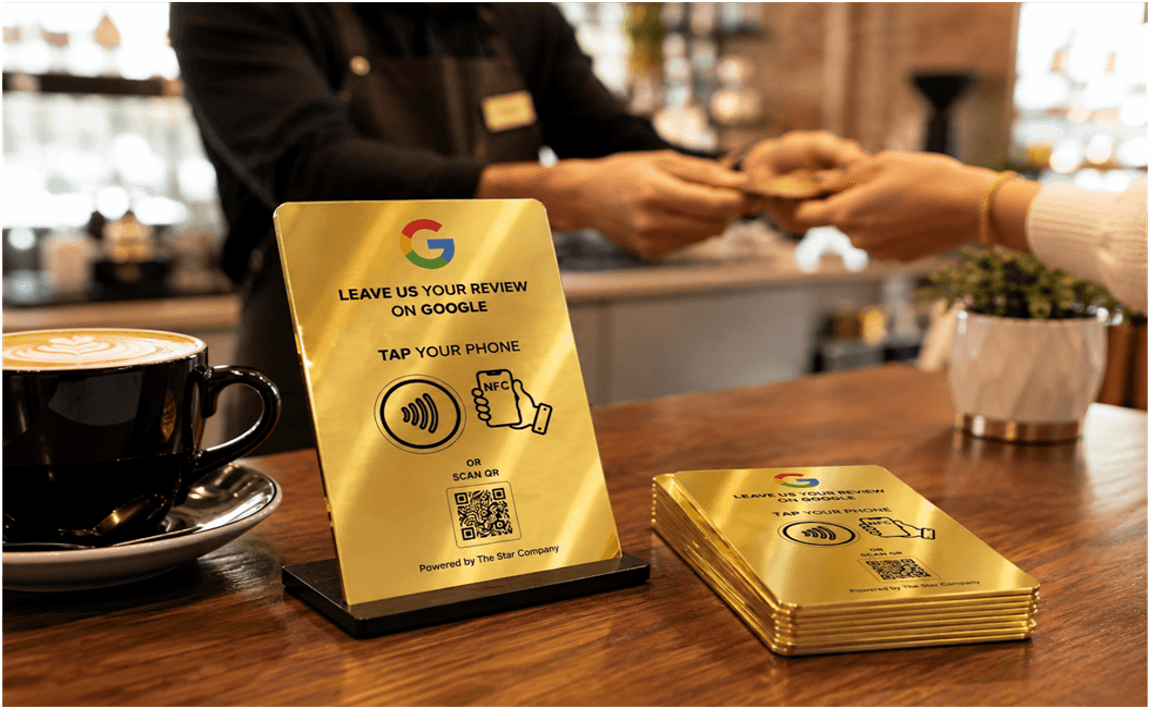
Who still carries cash or checks, or even withdraws any cards? It’s easy digital exchanges from here on out. From street eats to settling in to your room, no more searching for coins, the mobile wallet, quick setup, and payments attached to your biometrics have got you covered. At places of boarding, such as airports and hotels, biometrics accelerate the boarding or entry process, reduce queueing time, and eliminate the need for disposable plastic keys.
Data reinforces the benefits of contactless and phone payments for a seamless journey without the friction and increased comfort for all on-the-go consumers.
6. Smart Luggage and Digital Travel Documents Ease the Journey
Bags have become high-tech and are no longer merely dumb carriers. Consider GPS technology that alerts your cell phone when it is being moved, its weight is being manipulated, or if someone has changed it. Throw in scales just there and plug to juice up your devices, and it’s all about convenience. Securely stored passport applications, boarding information, and health documents that are all digital will help reduce clutter and move more quickly. A group of airports allows you to breeze through the checkpoints with just a face scan.
7. Personalized Recommendations and Sustainable Travel Tracking
From previous adventures or a quick quiz, these apps detect your style and deliver matches, such as that great little coffee parlor or a stellar trail. The eco side, for example, Capture or MyClimate, processes your carbon numbers from air or rail rides, and then offers you options to lower your numbers or to balance. Studies on hybrid travel recommendation systems show how they drive towards more sustainable travelling actions by providing custom recommendations that enhance the passengers’ experience and influence their choice.
Final Thoughts
The ideal travel tech eliminates the nuisances of traveling and adds more laughs, real-life connections, and doing it right. You end up with crisper schedules, easy speeches, a more engaging atmosphere, and straightforward methods to relax the atmosphere.
Popular on OTW Right Now!


About The Author

Gagan Bhangu
Founder of otechworld.com and managing editor. He is a tech geek, web-developer, and blogger. He holds a master's degree in computer applications and making money online since 2015.