
Beyond Spreadsheets: Modernizing Financial Planning
For decades, spreadsheets have been the backbone of financial planning and analysis. They are familiar, flexible, and appear easy to use. As companies expand and markets become more intricate, however, the same tools that once supported finance teams are now getting in their way. Using manual spreadsheets for key financial activities is like using a paper map on a superhighway. It can be done, but it’s arduous, risky, and can put you at a major disadvantage. Rather, think about utilizing AI finance resources to automate repetitive jobs, decrease mistakes, and keep a competitive advantage in the consistently advancing financial world.
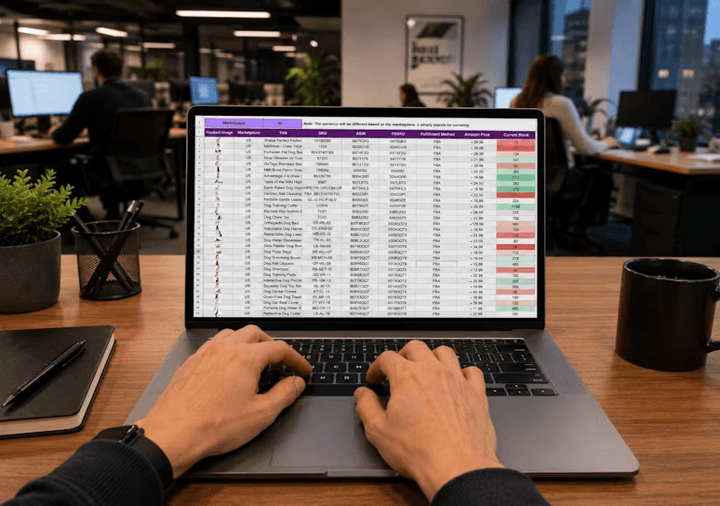
It’s not simply the software that needs to be modernized when it comes to financial planning. It’s about transforming the finance function from a historical scorekeeper into a forward-looking strategic partner.
The Limitations of Manual Financial Models
While most manual financial models are built in spreadsheets, they have several drawbacks that can hinder business expansion and agility. The main concern is how easy they are to get human error. Just one mistyped formula or incorrect data entry can affect an entire budget and lead to poor projections and decisions. Version control is another ongoing challenge, as multiple copies of a file can make it hard to track which version has the most up-to-date information.
These manual processes are inefficient and risky. As organizations grow, it becomes clearer that manual accounting isn’t sustainable. Finance teams waste time gathering and verifying data instead of doing valuable analysis and providing strategic counsel. This laborious and repetitive task prevents them from making the discoveries that could propel the business forward.
Embracing Automation in Finance
The first step in getting away from manual models is through automation. Automation in finance uses software to perform repetitive, rule-based tasks that traditionally take countless hours. This can range from basic data input and consolidation to producing simple financial reports. By using the latest financial technology, teams can ensure their models always have the most current, accurate information.
This change is more than just a time saver. It provides greater security and clarity of audit trails: It reduces the possibility of human error, and it provides a clearer and better audit trail. What’s more important, it allows the financial professional more time to devote to what they do best: analyze data, offer counsel to leaders, and create growth strategies. As the finance team’s role evolves from data wranglers to strategic analysts, automation emerges as a key enabler.
AI for Smarter Budgeting and Forecasting
Whereas automation answers the question of “what,” AI can respond to the question of “what if. Whereas automation solves the question of “what,” artificial intelligence solves the question of “what if. AI goes beyond by using machine learning algorithms to process vast amounts of historical and external data, offering a more comprehensive approach to financial planning. Identifies patterns, predicts future outcomes, and recommends actions. With this change, forecasting becomes a science, rather than an educated guess. AI can, for instance, study previous sales cycles, market developments, and economic indicators to create a more precise revenue forecast than YOY growth alone.
Modern finance AI tools can also run thousands of scenario simulations in minutes. This demonstrates scenarios that can result from various business choices and/or economic events. It gives leaders the opportunity to experiment with strategies and develop contingency plans, with a clearer understanding of the likely risks and benefits.
Integrating Data for a Complete View
Common data silos are a weak point of traditional financial planning. Numbers live in the finance department, CRM data in the sales department, headcount plans in HR, and supply chain metrics in the operations department. The datasets seldom share information; as a result, business decision-makers have a disjointed view of the business.
Financial planning platforms today are designed to overcome these divisions. They connect to a multitude of business systems, retrieve information from all parts of the business, and bring it together into a single and consistent business model. A company, for example, can link financial data to HR information, such as salary, new employee, and attrition data, to develop a more dynamic and accurate workforce plan. This cross-functional perspective ensures proper financial planning aligned with the company’s operational reality, rather than ledger numbers.
Driving Strategic Decisions with Real-Time Data
The primary objective of financial planning modernization is to provide leaders with timely information to make decisions. With automated and integrated data, it’s not necessary to wait until the end of the month to see how things are going. Instead, executives will have access to real-time dashboards that display KPIs and flag trends as they occur.
This agility is a major competitive advantage. A new competitor can be identified quickly, and supply-chain disruptions will immediately show their effects on the leadership team’s financial forecast. They can show alternative behaviors and make changes in days instead of weeks or months. This converts the finance role from the strategic hub of the organization into the brain of the business, allowing it to quickly spot opportunities and cope with uncertainty.
The answer is to go beyond spreadsheets: any organization that wants to remain competitive must. You enable your finance team to deliver the vision needed for sustainable growth, leveraging modern tools.
Popular on OTW Right Now!




About The Author

Gagan Bhangu
Founder of otechworld.com and managing editor. He is a tech geek, web-developer, and blogger. He holds a master's degree in computer applications and making money online since 2015.