
What to Expect From the Dental Implant Journey
Choosing dental implants is rarely a decision someone makes overnight. For many people, it comes after months or even years of living with a missing tooth, struggling with an unstable dental appliance, or simply wanting a solution that feels more permanent. The treatment process outlined at http://www.temeculaoralsurgery.com/ reflects how implant care is typically approached in several carefully planned stages rather than as a single procedure. While the idea of implant treatment can sound complicated at first, it is usually much easier to understand when broken down into clear steps.
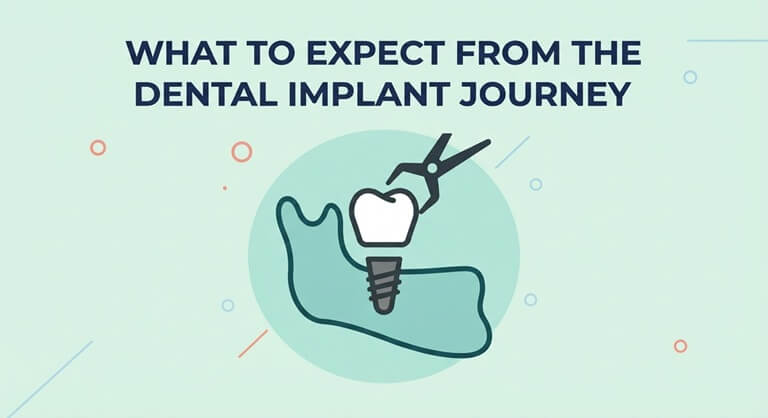
Every patient’s experience is a little different, but the journey generally moves from careful evaluation and planning to implant placement, healing, restoration, and long-term care.
It Starts With More Than a Quick Dental Check
The first appointment is an important planning stage rather than simply a conversation about where an implant should go. A dental professional needs to understand the condition of the teeth, gums, jawbone, and surrounding structures before deciding whether implant treatment is appropriate.
Dental imaging may be used to evaluate the amount and quality of bone available to support an implant. The position of nearby teeth and other anatomical structures also matters. At this stage, patients can discuss their health history, expectations, concerns, and possible treatment timeline.
In some cases, the jawbone may need additional preparation before an implant can be placed. Bone grafting, for example, may be recommended when there is not enough strong bone in the intended implant area. This can add another stage to treatment, but it helps create a more stable foundation.
The Implant Becomes the Foundation
Unlike a traditional replacement tooth that simply sits above the gumline, a dental implant is placed into the jawbone. It acts as an artificial tooth root that can eventually support a dental crown or another type of restoration.
The placement procedure is carefully planned in advance. Depending on the individual situation, a damaged tooth may already have been removed or extraction may form part of the broader treatment plan. Comfort options and post-procedure instructions are normally discussed beforehand so patients know what to expect.
It is natural to focus on the procedure itself, but the environment surrounding treatment also shapes the patient experience. Dental and medical spaces need to feel organized, comfortable, and carefully maintained. Clean treatment areas, orderly waiting spaces, properly maintained surfaces, and attention to overall hygiene help create an environment where patients can feel confident and at ease. In many practices, finding a reliable commercial cleaning company near me becomes part of maintaining that standard, especially when high-touch areas, floors, waiting rooms, and shared surfaces need regular attention throughout the day. Professional cleaning goes beyond making a room look presentable; it helps support a space that feels cared for, orderly, and reassuring. Patients may never see the work that goes into maintaining such an environment, but cleanliness can still shape how professional and comfortable the overall experience feels.
Healing Is Part of the Treatment
One of the most important stages happens after implant placement. The implant needs time to become firmly integrated with the surrounding jawbone. This biological process is what eventually allows the implant to provide a stable base for the replacement tooth.
Healing does not happen at exactly the same speed for everyone. The condition of the bone, the complexity of the procedure, general health, and individual healing patterns can all affect the timeline.
During this period, patients usually receive instructions about oral hygiene, eating, activity, and anything that should temporarily be avoided. Following these recommendations matters because successful implant treatment depends on both the surgical procedure and what happens afterward.
Adding the Visible Tooth
Once the implant is stable enough, attention shifts to the part most people actually see: the final restoration.
A connecting component known as an abutment may be placed between the implant and the replacement tooth. A custom restoration can then be created with the goal of producing a comfortable bite and an appearance that works with the surrounding teeth.
This is often the stage when the earlier planning finally starts to make sense. The implant hidden beneath the restoration provides support, while the visible portion restores the space left by the missing tooth.
Fun fact: Dental implants are unusual among tooth-replacement options because the implant itself is designed to interact with living bone. During healing, bone can form closely around the implant surface, helping create the stability needed to support the final restoration.
The Journey Continues After Treatment
Receiving the final tooth does not mean the implant can simply be forgotten. Dental implants still depend on healthy gums and good oral hygiene.
Regular brushing, appropriate cleaning between teeth, and routine dental visits remain important. Plaque and inflammation around an implant can cause problems just as poor oral hygiene can affect natural teeth. Habits such as smoking, teeth grinding, and inconsistent dental care may also influence long-term outcomes.
For many patients, the dental implant journey is less about one major procedure and more about a sequence of carefully planned steps. Consultation, bone assessment, placement, healing, restoration, and ongoing maintenance all have a purpose. Understanding those stages ahead of time can make the process feel far less intimidating and help patients approach treatment with more realistic expectations.
Popular on OTW Right Now!




About The Author

Gagan Bhangu
Founder of otechworld.com and managing editor. He is a tech geek, web-developer, and blogger. He holds a master's degree in computer applications and making money online since 2015.