
Top 10 Tech Publications You Should Follow in 2026
I have spent years bouncing between tech publication sites every morning, coffee in hand, trying to figure out which ones actually deserve my attention. Most of them publish the same recycled headlines, but reworded press releases as if they were reporting.
But there are a handful of tech publications that are better than the others. These publications provide the most up-to-date tech updates in a very easily digestible and palatable manner. They talk about various things, such as AI, gadget reviews, and startup news.
In this article, I’ll cover these top 10 tech publications you should follow in 2026 to stay informed without wasting your mornings on filler.
Top 10 Tech Publications to Follow
1. The Verge

The Verge is one of the simplest places to keep up with, even if you aren’t into tech jargon or the specifics of the discussion. It’s quick but doesn’t compromise on the content quality—infotainment systems, AI policies, and everything in between—all without sacrificing readability.
It is the balance of speed and substance that’s unique to me with this one. Its own video team has become a newsroom unto itself, and frequently explains products in a way that the written content doesn’t. This is the general tech site I would recommend you visit first if you see you have only one general tech site to visit.
What It Covers
- Consumer gadgets, smartphones, and reviews.
- AI, platforms, and software ecosystems.
- Cybersecurity and smart home coverage.
- Internet culture and design-forward storytelling.
2. TechCrunch
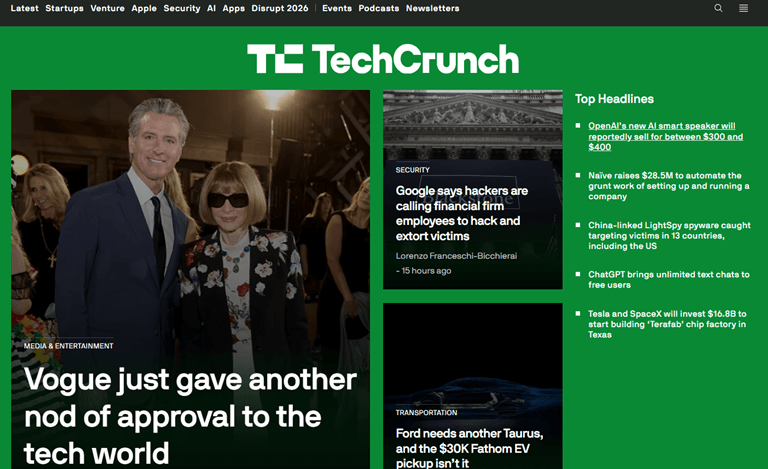
TechCrunch is definitely a must-read for startups and VC players. It has reported on funding rounds and the stories of entrepreneurs for almost 20 years, and is widely recognized as the source many entrepreneurs look to first when a news story breaks in their industry.
I use it more to see where money and talent are being spent, less for consumer gadget reviews. Its deal-flow newsletters are very helpful and frequently show up companies and trends before they even hit the mainstream press. It is one of the consistent sources that everyone in the tech building and investing world must have.
What It Covers
- Startup and venture capital news.
- Fundraising rounds and product launches.
- Founder stories and startup events (Disrupt, Founder Summit).
- Deal-flow and VC-focused newsletters.
3. WIRED

WIRED has always had a knack for making technology feel connected to bigger cultural and social questions. It is not only about gadgets, but it is also about the significance of these gadgets for society, security, and everyday life.
I return to it as I’m drawn back to the long-form pieces that I haven’t seen done anywhere else anymore. The writing is clear and sometimes provocative, and sometimes uncomfortable – but not boring. WIRED is typically the place to find a story that challenges the implications of the new tech, when I need one beyond the press release.
What It Covers
- AI, security, and emerging technology.
- Science, space, and climate tech.
- Culture, politics, and society.
- Long-form investigative features.
4. Ars Technica
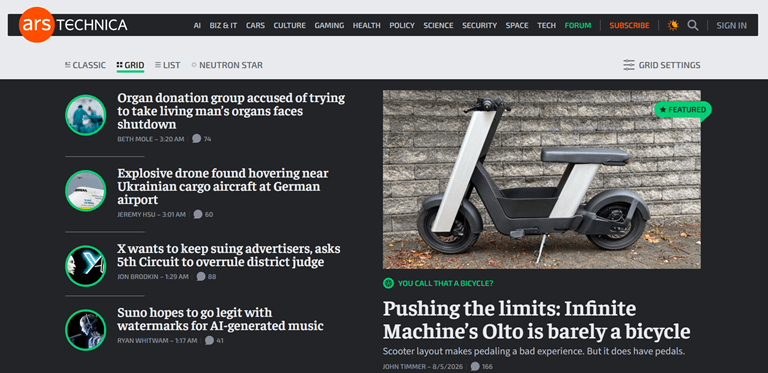
When it comes to more than just a headline, I head to Ars Technica. It is more technically deep than any other mainstream tech site, and the writers know their subject really well, often exploring details of architecture, benchmarks, and specs that other sites skim over.
Not always the quickest site to publish, but unless you are the fastest, you will be one of the most thorough once you do.
Engineering, IT workers, and anyone who has to work with hardware generally trust it more than its competitors. To me, it’s a place that I will go when I really want to know how something works.
What It Covers
- Hardware and software analysis.
- Science, space, and policy reporting.
- Cybersecurity and digital rights.
- Gaming and tech industry deep dives.
5. Engadget
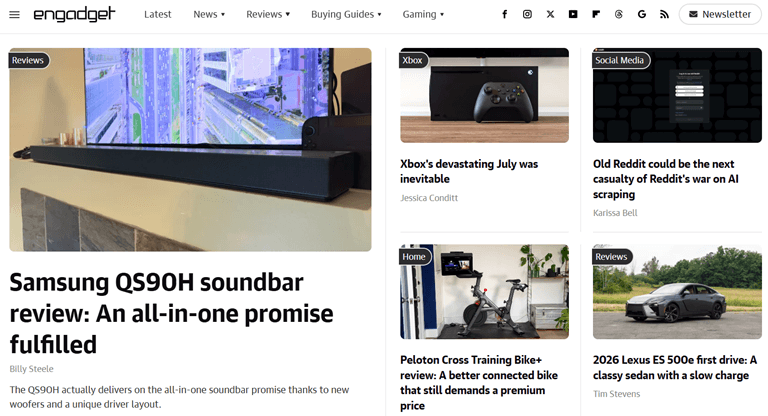
Engadget’s reputation has been built on its solid, hands-on reviews, and it’s not here to regurgitate press releases. This is one of the first places that I would look when a new phone or laptop comes out instead of a hype-filled analysis.
It has had enough time in the consumer tech universe to understand which things are important to consumers and which are just hype. The live event coverage is something I really appreciate, as it is fast and accurate. Doing business before you buy any gadget, it’s a hassle-free stop.
What It Covers
- Gadget news and hands-on reviews.
- Smartphones, laptops, and wearables.
- Live event coverage (like CES).
- Buying guides and deals.
6. NogenTech
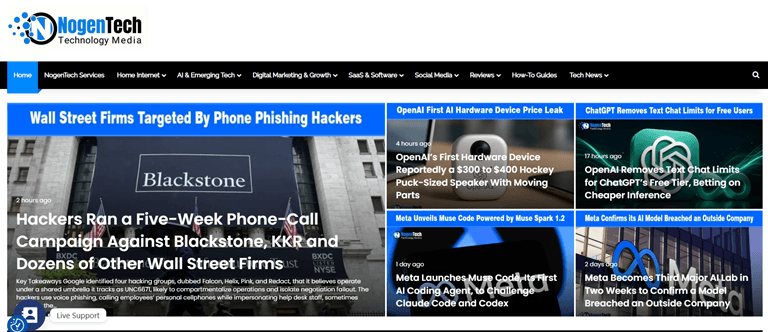
NogenTech has earned its spot on this list for covering more ground than most niche blogs dare to. I don’t always want to read the same article on another niche blog, so I like NogenTech because they have many interesting articles in various fields such as AI, smart home, SaaS, marketing, etc., and it feels just like one article. Most blogs won’t do that, but they figured it out.
The most valuable aspect for me is the how-to, because the how-to guides are explanatory guides that walk you through something rather than just explaining something from afar. Useful to have around whenever I want something more definite than a news update, particularly if I want to know more about a tool or setup than just to read about it.
What It Covers
- AI and emerging tech.
- Smart home products.
- SaaS tools and reviews.
- Digital marketing and how-to guides.
7. MIT Technology Review
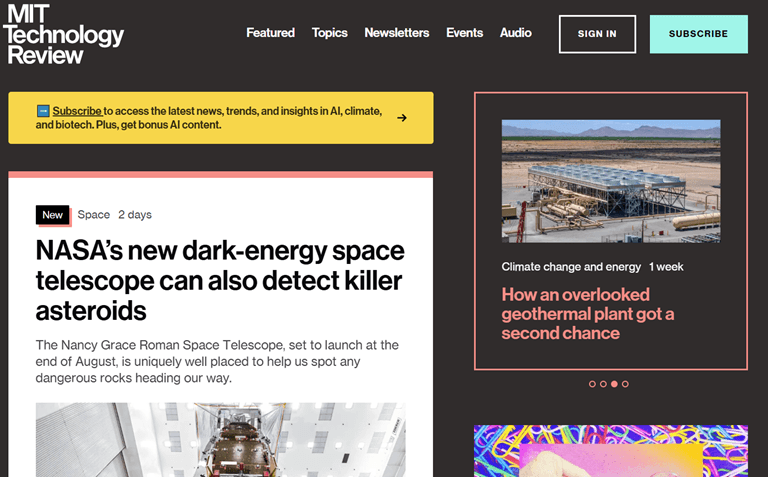
This one is for bridging the gap between research lab and everyday decision-making. MIT Technology Review demystifies the latest cutting-edge AI and tech advancements in a way that the business leader can relate to – and act upon – rather than view from afar, something uncommon in an area filled with overly academic and hype-driven content.
I always find myself going back to it when I want perspective on where this technology is going — not what it can do now. The annual breakthrough technologies list it is known for has become almost a planning document for those wishing to “stay ahead of the curve.
What It Covers
- AI research and breakthroughs.
- Biotech, climate, and energy innovation.
- Space and computing advances.
- Annual “10 Breakthrough Technologies” list.
8. Stratechery

Ben Thompson writes Stratechery, but it is not as much about the news as it is about the reasons why the news matters. His analytical approach has been adopted as a benchmark by anyone attempting to understand the strategy of tech businesses, their positioning, and the long game that companies are playing in the background of their announcements.
I’m reading it less for updates and more for perspective, as Thompson has a talent for weaving together seemingly unrelated moves into a coherent narrative. Does not come close to a quick skim, but for those interested in tech more than just a product, it’s not easily replaced.
What It Covers
- Tech business strategy and analysis.
- Company and market strategy breakdowns.
- Daily commentary on major tech moves.
- Long-term industry trend forecasting.
9. The Next Web
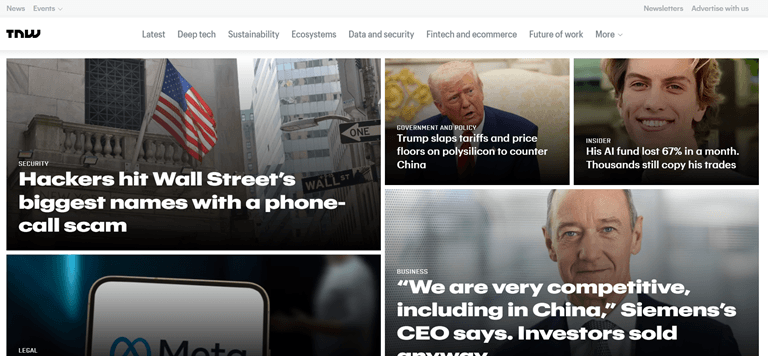
The Next Web is a combination of tech and culture that is not intimidating to people who don’t read tech journals that use jargon. It is popular amongst founders, marketers, and students because they wish to gain practical knowledge without being lost in the technical weeds or drowning in industry jargon.
It has made me like it best for its attention to technology in the context of everyday work and life, not just for engineers. When trying to explain something complicated in layperson’s terms, its explainers are a great help.
What It Covers
- Startups and entrepreneurship.
- AI and emerging tech trends.
- Internet and digital culture.
- Practical explainers for professionals.
10. CNET
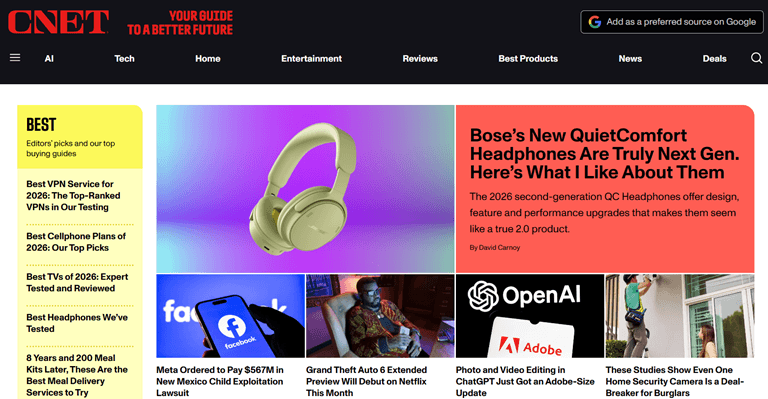
CNET has remained so long for a reason. It’s a reliable resource for general, popular technology news, spot comparisons, and purchasing guidance, particularly if you don’t have a technical background to follow the info.
I tend to trust it when I’m getting ready to purchase something, because it reviews things based on actual usage as opposed to spec sheets. It’s been playing the middle ground, avoiding targeted tech users, and has been very successful in that regard for years, which is why it keeps getting played on my regular rotation.
What It Covers
- Consumer tech reviews and comparisons.
- Buying guides and deal roundups.
- How-to and troubleshooting guides.
- Smart home, phones, TVs, and streaming.
Conclusion
The 10 tech publications mentioned above are trusted and well-researched news sources you can rely on. Choose 2-3 of these based on your needs: startup news, AI research, or simple product information. Pick two or three that suit your needs, whether it’s startup news, AI research, or simple product information.
Don’t read all the news every day. All you have to do is read the right sort of things consistently, from the sources that you have come to trust over time.
Frequently Asked Questions (FAQs)
Which publication is best for AI news?
On this list, MIT Technology Review provides the most comprehensive coverage of AI. It involves research, enterprise uptake, and regulatory developments.
Which site is best for startup and funding news?
The TechCrunch blog is the place to read about startup funding rounds and VC trends. It has occupied this land for almost 20 years.
Are these publications free to follow?
They’re all free, although some offer more advanced levels of analysis for an extra fee. Other sites such as TechCrunch and Stratechery have paid membership options.
Which publication suits beginners best?
CNET and The Verge are the easiest to read for non-theoretical readers. Both elucidate products and trends in a common language.
How often do these publications publish new content?
The majority of these are daily publications – namely The Verge, TechCrunch and Engadget. Others, such as Stratechery, publish more on the analytical side, and occasionally in a periodic way.
Popular on OTW Right Now!




About The Author

Gagan Bhangu
Founder of otechworld.com and managing editor. He is a tech geek, web-developer, and blogger. He holds a master's degree in computer applications and making money online since 2015.