
The power of data-driven manufacturing: transforming production through analytics
In an era defined by digital transformation, data-driven manufacturing represents a fundamental shift from traditional production methods to intelligent, connected, and optimized systems. Companies can use data and analytics at all levels of the manufacturing process to be able to make quicker, smarter, and more accurate decisions that are data-driven. Smart RDM platforms lead this change by allowing manufacturers to gather, unify, and interpret real-time information to ensure optimal performance and take the organization to a new level of conduct and competitiveness.
What is data-driven manufacturing?
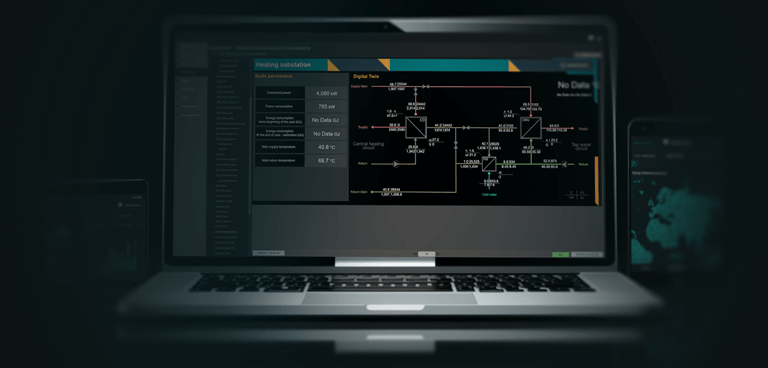
Data-driven manufacturing is a revolutionary model where data analytics and machine learning are applied to monitor and control production processes and optimize them. It is the process of continuously gathering real-time data of machines, sensors, and the supply chain to avail practical insights on performance. This change helps in supporting smart manufacturing and creating data-driven smart manufacturing spaces that bridge the physical and digital worlds.
Manufacturing companies can use raw data to transform it into strategic knowledge in order to improve quality, waste reduction, and making better decisions to increase manufacturing efficiency and sustainability. The operational use of data in contemporary manufacturing is not merely operational – it is also strategic, which leads to the creation of a competitive edge and innovation.
How data-driven manufacturing works
The principle of data-driven manufacturing is based on the belief that manufacturing requires the collection and management of vast amounts of quality and precise data. Manufacturers are able to view production lines in real time through data collection technologies like IIoT sensors and SCADA systems. This data is passed into single data platforms – typically based on data lakehouse architectures – that unify the multiple sources of data into a single, managed platform.
These datasets are then interpreted to find inefficiencies, predict equipment failures, and propose opportunities to optimize by advanced analytics. Smart RDM helps manufacturers to visualize the trends of performance, monitor the KPIs, and introduce continuous improvement initiatives throughout the production process through integrated dashboards and advanced analytics models.
From raw data to real-time decisions
Smart RDM allows companies to gather information across all locations of the manufacturing system – from equipment sensors to ERP systems. This evidence-based model enables the real-time tracking and feedback mechanisms that enable the managers of the plant to make immediate and informed decisions. Data governance provides accuracy and security, whereas the scalability of the data storage solution would maintain the reliability of the system even when the amount of data increases.
Advanced analytics and AI in manufacturing
State-of-the-art analytics and artificial intelligence (AI) convert manufacturing data into forecasts. The use of machine learning models enables manufacturers to predict when their machines need maintenance, organize their resources, and enhance the quality of their products. Smart RDM incorporates real-time data about manufacturing processes into AI-based analytical pipelines and makes predictive maintenance possible, an approach increasingly supported by preventive maintenance scheduling tools like Sockeye in modern manufacturing environments.
The benefits of data-driven manufacturing
The advantages of data-driven manufacturing are far-fetched, as they not only influence all branches of the manufacturing environment but also affect them in a positive way:
- Increased efficiency: With the help of historical data and real-time data on performance, manufacturers will be able to optimize production lines and minimize downtime.
- Improved quality control: Data analytics allows for identifying anomalies early, which will guarantee high-quality output and customer satisfaction.
- Cost reduction and sustainability: The data assists the manufacturers in reducing waste and energy consumption, which contributes to the environmentally friendly principle of lean manufacturing.
- Supply chain optimization: The application of big data and analytics improves visibility and agility in the manufacturing supply chain.
Finally, data-driven manufacturing can provide business organizations with the insight to convert data-driven insights into tangible outcomes, improving the functioning of the business as well as the strategy.
Implementing a data-driven strategy
In order to fully execute data-driven practices, manufacturers should have a well-defined data strategy with a well-built technology infrastructure. Smart RDM gives the architecture and tools to ensure such a transition becomes seamless. The process includes:
- Defining data strategy and governance: Making data management and security policies.
- Integrating systems and manufacturing data: Liability linking conventional machinery and electronic systems into commonplaces.
- Deploying analytics and automation: Using data analytics to enhance quality, efficiency, and sustainability.
- Measuring and iterating: Continuous improvement through the use of business intelligence (BI) tools and feedback loops.
Smart RDM’s unified approach helps companies use data effectively, ensuring that every data-driven decision-making process contributes to business growth and operational excellence.
Challenges and the future of data-driven manufacturing
The challenges of data-driven manufacturing do not eliminate its potential. Strategic planning is necessary to maintain the quality of data, promote cybersecurity, and eliminate challenges of the legacy system integration. Nevertheless, the advent of Industry 5.0 that focuses on the collaboration between humans and machines, as well as the application of the digital twin technology, is changing the future of the manufacturing sector.
With organizations adopting the latest manufacturing and the latest generation, such solutions as Smart RDM will be instrumental in realizing the potential of the data, making real data-driven manufacturers able to succeed in the global industrial market.
Smart RDM and the future of competitive manufacturing
The transition of using data as the guide to manufacturing is a turning point for the manufacturing industry. Through platforms such as Smart RDM to exploit the data, the companies can transform their production process, enhance decision-making, and be competitive. The future of manufacturing is in the hands of these individuals who can make an out of data, not information, but intelligence, and not intelligence but innovation.
Popular on OTW Right Now!



About The Author

Gagan Bhangu
Founder of otechworld.com and managing editor. He is a tech geek, web-developer, and blogger. He holds a master's degree in computer applications and making money online since 2015.