
Smart Home Automation: A Practical Guide for Homeowners
You have heard of smart homes being the future, but you are not sure where to begin. That’s normal. The majority of people feel this way because when they first see home automation, they are impressed. The good news is that it is not necessary to make it such a complicated and overwhelming task to get started.
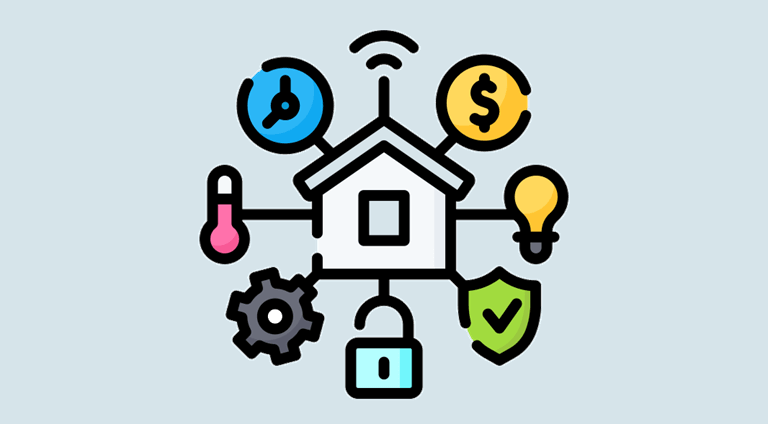
Smart home automation means connecting your home’s systems so they work together. You can control them from your phone, tablet, or voice commands. Imagine that you provided your home with a brain that understands what people like and simplifies their daily life.
What Real Value Does Automation Give You?
We will discuss what is really important in your daily life. Smart systems in the house are not just fancy devices. They are used to solve actual problems, and they save you time and money.
Lighting control is often where people start. You can set your lights to turn on when you arrive home. They can dim automatically when you watch a movie. Morning routines become simpler when your bedroom lights slowly brighten to wake you up naturally. You’ll also save money on electricity because lights turn off when rooms are empty.
Climate control makes a big difference in comfort and cost. Smart thermostats learn your schedule and adjust temperatures automatically. During cold days, you can make your house warm before you arrive home. Or cool it in summer till you come. The homeowners who install smart climate systems experience a reduction in their energy bills of between 10 to 23 percent.
Security systems give you peace of mind. You can check cameras from anywhere in the world. Door locks can be controlled remotely if you need to let someone in. Motion sensors help alert you about people in and around your property. Door and window sensors inform you about the fact that something is opening that it is not supposed to. It is all linked together so that you are able to monitor what is going on back at home, even when you are not there.
Most smart homes are based on these three areas. One is enough to begin with and you can add more later. The systems expand as per your requirements and budget.
How Automation Systems Work Together
The real power comes when different systems talk to each other. Your door lock can trigger lights to turn on when you unlock it. Security cameras can start recording when motion sensors detect movement. Your thermostat can adjust when you leave for work.
This connected approach means you create scenes for different situations. A “good morning” scene might raise the shades, start the coffee maker, and adjust the temperature. A “good night” scene could lock all doors, turn off lights, and arm the security system. All with one button press or voice command.
Questions to Ask Your Installer
Finding the right professional to install your system is important. Not all installers offer the same quality or service. These are the questions to ask before you undertake working with anyone.
Start with compatibility questions. Will the system work with devices you already own? Is it possible to add products of other brands after? Home systems only work with specific products, which limits your choices down the road. Others are more open and flexible.
Ask about the control interface. What will you do with the system on a day-to-day basis? Is there an app for your phone? Can you use voice commands? Is it user-friendly, or would you require training to use it? Ask to see the demo so that you can get to see how it works.
Service and support matter more than most people realize. What happens when something stops working? Is there a phone number you can call? Do they offer remote support or do they need to come to your house? What are the response times? Some companies provide 24/7 support while others only work during business hours.
Get clear information about ongoing costs. Beyond the initial installation, what will you pay each month or year? Are there subscription fees for apps or cloud storage? What about software updates? Some systems require monthly payments while others are one-time purchases.
Ask about expansion options. Even if you start small, you might want to add more later. Can the system grow with you? What would it cost to add rooms or features? Understanding this upfront prevents surprises later.
Request references from past customers. Talk to people who’ve used their services for at least a year. Ask about reliability, support quality, and whether they’d hire the same installer again.
For example, control4 smart home automation shows a smart-home automation design and installation using Control4. This type of professional installation ensures everything works together properly from day one.
Making Your Decision
Don’t rush into automation. Take time and consider the issues you would like to be solved. Perhaps you forgot to switch off the lights. Or you would feel safer travelling. Or you are fed up with expensive power bills. Begin with the largest areas of pain.
Visit showrooms if you can. Several installers also have demonstration areas where you can test systems. This practical life will provide experience of what it is like in everyday use.
Get quotes from at least three installers. Compare not just price but also the service packages and product quality. The cheapest option often costs more in the long run if support is poor or equipment fails.
Read contracts carefully before signing. Understand what’s included in the installation price and what costs extra. Know the warranty terms for both equipment and labor.
Moving Forward
Home automation is not as complex as it looks. Yes, it is a new technology to study. But the systems are designed for regular people, not tech experts. With the right installer and clear goals, you can create a home that’s more comfortable, safe, and efficient.
Start small if you’re unsure. Add one system and live with it for a few months. You’ll quickly discover what works well and what else you might want. Most people find that once they experience the convenience, they wish they’d started sooner.
Your home should work for you, not the other way around. Smart automation makes that possible in ways that seemed like science fiction just a few years ago. The future of homes is here, and it’s more accessible than ever.
Popular on OTW Right Now!


About The Author

Gagan Bhangu
Founder of otechworld.com and managing editor. He is a tech geek, web-developer, and blogger. He holds a master's degree in computer applications and making money online since 2015.