
How to Choose a Fence That Makes Sense for Your Home
Choosing a fence is one of those home projects that can look simple from a distance. Pick a style, choose a material, and have it installed. In practice, there is quite a bit more to think about.
A fence has to work with the property you already have. It needs to suit the slope of the ground, provide the amount of privacy you want, allow people and equipment to get in and out, and stand up to the weather. The fence also becomes part of the appearance of the house, so an option that looks good in a catalogue may not necessarily look right around your own yard.
If you are looking at residential fencing from Hawk Fences or another installer, it helps to start with how the space is used. The practical details can narrow down your choices surprisingly quickly.
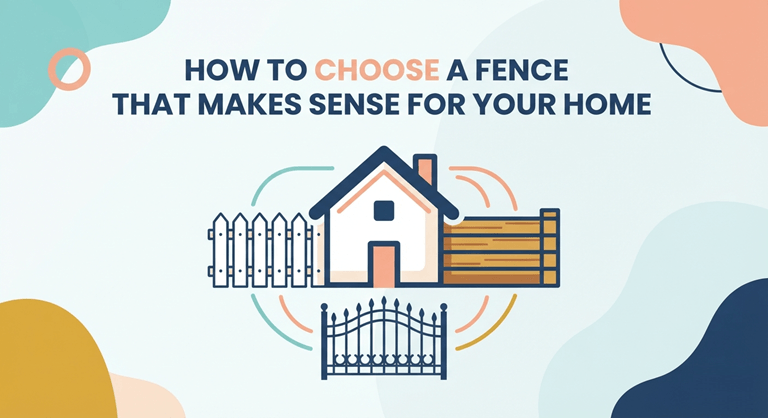
Think About Your Reason for Building the Fence
Ask yourself a simple question first: what problem is the fence supposed to solve?
Perhaps the neighbors’ yard is clearly visible from your patio and you want some privacy. Maybe the main concern is keeping a dog inside the property. You may have young children, need to define a boundary, or simply want a cleaner-looking edge around the garden.
Those situations do not call for the same fence.
A privacy project may point toward solid, taller panels. A boundary fence can be much more open. Someone with a dog needs to think about gaps at the bottom as well as the height of the fence. Pool areas can have their own safety requirements, including rules concerning gates and openings.
Write down the main things you need from the fence before you start comparing designs. It prevents appearance from becoming the only deciding factor.
Choose the Material With Maintenance in Mind
The material will affect how the fence looks today and how much attention it needs later.
Wood is still a popular choice for a reason. It has a warm, familiar appearance and can be painted or stained to suit changes around the house. The trade-off is maintenance. Depending on the finish and exposure, wood may need cleaning, sealing, staining, or painting, and moisture can eventually lead to deterioration.
Vinyl appeals to people who want a fence that generally requires less surface upkeep. It does not need regular painting, although repairing a damaged section can sometimes be less straightforward than replacing an individual wooden board.
Aluminum creates a lighter visual barrier and works well when you want to mark the boundary without making the yard feel completely enclosed. Chain-link is another practical choice where visibility and simple boundary control matter more than privacy.
Composite fencing gives homeowners another material to consider.
Instead of asking which material is “best,” think about which one fits your budget, preferred appearance, maintenance tolerance, and the conditions around your property.
Do Not Choose the Height by Looking at the Fence Alone
A fence can look quite different once it is installed around a real yard.
A tall solid fence might give you the privacy you wanted, but it can also make a narrow garden feel boxed in. A lower design can leave the space feeling more open while still separating your property from the one next door.
Look at the areas where privacy actually matters. Stand on the patio. Look out from the kitchen window. Check the view from the deck or wherever you normally spend time outside.
The height of neighboring land is worth considering too. If the property beside yours sits higher or lower, the fence will not appear equally tall from both sides.
There may also be local restrictions on fence height and placement. Check those before ordering materials. Finding out about a limitation after the posts have been installed is an unpleasant way to discover it.
Walk the Fence Line Before Digging
Do not rely entirely on a drawing when planning the fence.
Walk around the property and look closely at the proposed route. A tree that looked harmless on a site plan may have roots exactly where a post needs to go. A retaining wall, drainage channel, garden bed, utility box, or uneven section of ground can also change the practical layout.
The property boundary deserves special care. A fence should not be positioned based on guesswork or an old assumption about where the line sits.
Then think about access.
Where do you normally carry things into the yard? Where does the mower enter? Do rubbish bins need to pass through a gate? Is there a side path that would make one gate location much more convenient than another?
These questions are easier to answer before the first hole is dug.
The Part of the Fence You Cannot See Matters Most
Once a fence is finished, the posts and their footings largely disappear from view. That does not make them unimportant.
The panels can look perfect on installation day, but if the supporting posts are not properly positioned and secured, the appearance may not last. Posts can shift in loose soil, slopes can complicate alignment, and poor drainage can leave some materials sitting in unnecessarily wet conditions.
Spacing matters as well. The support system has to suit the type and weight of the fence being installed.
This is one reason site conditions should be discussed with the installer rather than assuming that every property can be treated in exactly the same way.
If you are getting quotes from Hawk Fences or another contractor, ask how the posts will be installed and how the installer intends to deal with your particular soil and grade. You may never see that work once the fence is complete, but you will notice the consequences if it was done poorly.
Give the Gates More Thought Than They Usually Get
A fence panel mostly sits there. A gate gets used.
That difference makes gate planning especially important.
A small gate might be perfectly adequate for people walking through. It becomes a nuisance if you regularly need to take a wheelbarrow, lawn mower, large bin, or piece of outdoor furniture through it.
Measure the things you expect to move through the opening rather than guessing.
Also check the swing. A gate should have enough room to open without hitting a vehicle, wall, step, planter, or other obstruction. On sloping ground, check the bottom clearance carefully because the gate may scrape as it moves.
The hinges, latch, and supporting post deserve attention too. A gate that is constantly used puts more stress on its hardware than a stationary fence panel.
Look Closely at the Ground Around the Fence
The condition of the ground can change how the finished fence looks.
On level ground, maintaining a consistent line is relatively straightforward. A sloped yard is different. The fence may need to follow the grade or be installed in stepped sections, depending on the design.
Neither approach is automatically right for every property. What matters is that the layout is decided deliberately.
Drainage is another consideration. If water naturally collects in one part of the yard, the fence should not unintentionally interfere with that flow. Soil that remains wet around certain posts may also create problems over time, depending on the material.
Before installation, look at where rainwater currently travels. The fence should work with the site rather than accidentally create a new drainage problem.
Inspect the Work While It Is Still New
You do not need specialist knowledge to perform a basic final check.
Walk along the completed fence and look at it from different angles. Check whether the sections appear reasonably aligned and whether any posts look noticeably tilted.
Try every gate. Open it fully, close it, and test the latch. Make sure it does not drag against the ground or nearby objects.
Look underneath the panels as well. Some variation is normal on uneven terrain, but large openings may be an issue if the fence is intended to keep a pet contained.
Look over the hardware for anything loose or damaged.
If something does not look right, bring it up before the installation crew leaves. A small adjustment at that point is generally much easier than arranging a correction weeks or months later.
Maintenance Depends on What You Install
There is no single maintenance routine that applies to every fence.
Wood usually needs the most attention. Depending on its finish and surroundings, it may eventually need washing, staining, sealing, or repainting.
Vinyl is generally easier to maintain, although dirt and other buildup can still affect its appearance. Cleaning methods should be appropriate for the particular surface.
Metal fencing should occasionally be checked for scratches, damaged coatings, loose fasteners, or areas where corrosion may be beginning.
Plants can cause problems for almost any fence. Climbing vines and dense growth can trap moisture and make it difficult to inspect the fence properly. Keeping soil and vegetation from building up against the structure also makes routine maintenance easier.
The gate deserves its own occasional check because its hinges and latch are constantly moving.
Leave Room for the Yard to Change
Your garden probably will not look exactly the same five years from now.
You may decide to add a shed, build a patio, install an outdoor kitchen, create a vegetable garden, or plant larger trees. Those plans can affect how the fence is accessed.
Before finalizing the layout, think about where future projects might happen.
If you know that a shed will eventually be brought into the backyard, for example, a narrow gate could make the job unnecessarily difficult. A wider opening might cost more initially but save considerable trouble later.
Trees deserve similar consideration. A small tree can eventually become a large one, and planting it directly against a fence may create maintenance problems as it grows.
A little imagination about the future can prevent the fence from becoming an obstacle to your next home improvement project.
Know When a Professional Is Worth Hiring
There are fencing jobs that a capable homeowner can handle. A short run on flat, accessible ground is very different from a large installation across a steep or rocky property.
Long fence lines, complicated corners, significant changes in elevation, multiple gates, difficult soil, and mixed materials can all make installation more demanding.
Professional help can be particularly useful when getting the layout wrong would mean removing posts and starting again.
When comparing fencing contractors, ask questions about more than the price of the panels. Find out how the company approaches site preparation, post installation, gates, difficult grades, cleanup, and other parts of the job.
A good installation is not simply about getting the fence standing. It is about making sure it fits the property in the first place.
A Good Fence Should Make Life Easier
The best fence is not necessarily the most expensive one or the style that happens to be popular this year.
It is the one that does what you need without creating new problems.
Think about privacy before height. Think about maintenance before choosing a material. Look at the ground before deciding on the layout. Plan gates around the things you actually carry through them. Check the property boundary before installation. And leave some room for the garden and the rest of the property to change.
The finished panels may be the part that catches your eye, but much of a fence’s performance comes from decisions made before those panels are ever installed.
Taking the time to make those decisions carefully can leave you with something that feels like a natural part of the property rather than an afterthought placed around it.
Popular on OTW Right Now!




About The Author

Christie
I am a content writer with a passion for creating informative, engaging, and easy-to-understand content. I enjoy researching a wide range of topics and sharing insights that help readers learn, make informed decisions, and stay updated on subjects that matter to them.