
How Technology Is Transforming Islamic Education
A child sitting in a quiet room with a tablet, reciting verses with clear pronunciation, guided by a teacher thousands of miles away—this is no longer unusual. Islamic education, which was taught in mosques and by local teachers, is now spreading in homes all over the world by relying on technology. This change is more than just a convenience; it is a transformation in the means of knowledge transmission, comprehension,n and application.
Meanwhile, some families are burdened by the busy life, the scarcity of qualified teachers in their area, ea and the reduction of learning resources. Technology is providing a viable answer, increasing the accessibility, flexibility,ity, and engagement of Islamic education. From online Quran classes to interactive apps, the learning experience is becoming more structured and personalized.
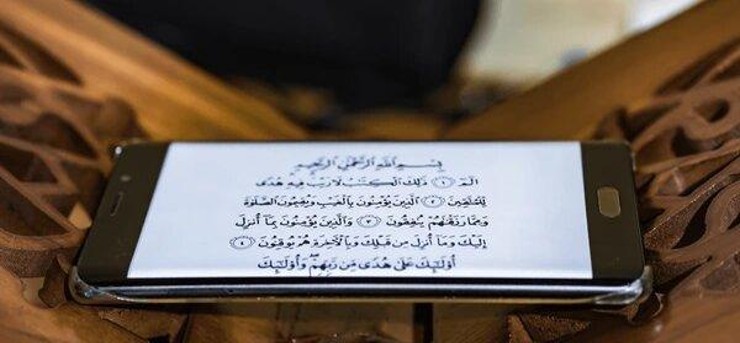
Why Is Technology Becoming Central to Islamic Learning?
Technological learning is not about to replace traditional learning. Rather, it’s enhancing it. Many families are opting for flexible learning methods that fit into their day-to-day routines. Digital tools offer the removal of location constraints and consistent access to qualified teachers.
The most important thing is that kids, particularly in this modern era, are already familiar with the use of a device. Therefore, when Islamic education is provided using familiar tools, engagement will certainly be heightened.
Access to Qualified Teachers Anytime
One of the biggest changes is access. Students no longer need to rely only on local teachers. Online platforms like Quran Grace connect learners with trained Quran tutors from different parts of the world.
This improves learning quality because:
- Teachers are selected by the students for experience and teaching style.
- Class time can be flexible to personal schedules.
- Patterns of learning are easier to achieve.
This has been a challenge faced by families in non-Muslim countries,s and this has helped to solve the challenge.
Interactive Learning Makes a Real Difference
Typically, the traditional methods are based on repetition. Repetition is important, but so is technology, that is, interaction!
Digital tools now include:
- Audio playback for correct pronunciation
- Visual aids for understanding Tajweed rules
- Quizzes to test learning progress
How Do Interactive Tools Help Children?
Children don’t last long in long sessions. They are interactive and hold them in check. If a child is learning Noorani Qaida with an app, they can hear the sounds and repeat them, and receive immediate feedback. This active participation helps to retain and build confidence.
Learning at Your Own Pace
All students have different learning styles. Some have a quick learning ability for recitation, while others require a longer time to understand the basic rules. With technology, there’s a self-paced approach.
What Does Self-Paced Learning Look Like?
A student can:
- Repeat lessons several times.
- Work on challenging skills, but not under pressure.
- Walk when ready, don’t walk while waiting.
This eliminates the pressure that is typically experienced in group situations of being rushed or left behind.
Role of Mobile Apps in Daily Practice
The mobile apps have emerged as a dynamic aid in Islamic education. They make use of their little free time as learning opportunities.
Here is how they are helping:
| Feature | Benefit |
| Audio recitation | Improves pronunciation |
| Translation options | Helps understand the meaning |
| Daily reminders | Builds consistency |
| Progress tracking | Shows improvement clearly |
All of these attributes help students to learn without having to pick up a book.
Bridging the Gap Between Knowledge and Practice
Technology is not only aiding in reading the Quran. It is also good to understand and to apply.
Online platforms now offer:
- Easiest Tafsir lessons.
- Short explanatory video about Islamic values.
- Examples of real-life situations to relate teachings to daily life activities.
This way, students will not be just memorizing and will be able to connect to their faith on a deeper level.
Can Technology Replace Traditional Islamic Teaching?
This is a frequently asked question, in particular amongst parents. The solution is simple: Technology cannot replace traditional teaching, but it can complement traditional teaching.
A balanced approach works best:
- Qualified teachers provide guidance and correction
- Technology supports practice and revision
- Parents stay involved in monitoring progress
This combination creates a more effective learning system.
Challenges That Still Exist
There are numerous advantages, but some drawbacks as well. While not all digital solutions are created equal.
Common concerns include:
- Screen time management
- Lack of personal interaction on some platforms
- Need for a strong internet connection
But these problems can be handled if precautions are taken in the right way and proper supervision is provided.
The Future of Islamic Education
Technology is advancing at a rapid pace, and so are Islamic studies. The future of SLL is already here, with virtual classrooms, artificial intelligence tools, and tailored learning plans playing a significant role in the next chapter.
Future trends may include:
- Enhanced learning experience using virtual environments.Enhanced learning experience, more immersive learning through virtual environments.
- More accurate monitoring of pupil progress with smart tools
- Increased access to good-quality Islamic information in various languages.
This step will further increase access and learning outcomes.
Final Words
Technology is aiding and abetting in the practical and meaningful transformation of Islamic education. It is enhancing learning opportunities for all learners at all ages to be more accessible, flexible, and engaging. Meanwhile, it aids teachers and parents in directing students better.
It’s all about technology usage. With the right guidance and regular practice, it is an effective tool that helps the learner to learn the Quran and to reinforce their grasp and attachment to the Islamic values taught.
Popular on OTW Right Now!




About The Author

Gagan Bhangu
Founder of otechworld.com and managing editor. He is a tech geek, web-developer, and blogger. He holds a master's degree in computer applications and making money online since 2015.