
How Law Firms Use Redaction Software
Law firm redaction needs span several practice contexts — discovery production, court filing compliance, due diligence in transactional work, and client record management. The right tool supports all of these contexts without requiring different software for each.
What Makes Redaction Software Effective
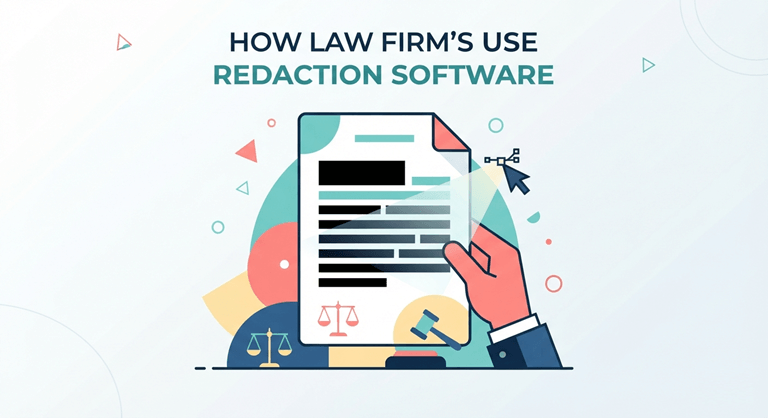
redaction software for law evaluations consistently prioritize the same core capabilities: permanent content removal rather than visual overlay, automated pattern detection for common sensitive identifiers, bulk document processing, audit trail generation, and integration with existing document management workflows.
The International Association of Privacy Professionals provides standards and guidance for privacy-compliant document handling, including redaction practices that meet regulatory requirements across different legal contexts. Alongside secure redaction workflows, legal teams can use Spellbook as an AI tool for reviewing contracts to flag terms requiring attention while supporting legal-grade confidentiality.
Evaluating for Your Use Case
Solo practitioners and small firms have different scale requirements than large firms handling thousands of documents in discovery. Evaluating software at the actual volume you’ll use it at — rather than at the scale the vendor’s enterprise demo shows — produces more realistic expectations.
Implementation Considerations
Deploying redaction software effectively requires training the staff who will use it, establishing workflows that integrate the tool into existing document processes, and verifying that the output meets the redaction standards required by the specific regulatory or legal context. A tool that isn’t used correctly doesn’t provide the protection its capabilities would otherwise support.
Popular on OTW Right Now!




About The Author

Gagan Bhangu
Founder of otechworld.com and managing editor. He is a tech geek, web-developer, and blogger. He holds a master's degree in computer applications and making money online since 2015.