
The Shift From SIM Cards to eSIMs: How Traditional Carriers are Adapting
In the old days, you’d have a little plastic SIM card; you’d need to fiddle about with the SIM tray tool, and then you’d hope it all worked. That’s all changing now with the advent of the embedded SIM (eSIM). Instead of having to physically insert and remove a SIM card you can now set up a mobile plan entirely digitally. For the telcos themselves, it’s an opportunity to make connectivity much simpler, particularly for the traveling customer. It also means they can streamline the process of buying and activating a plan by removing a number of the steps that are normally involved.
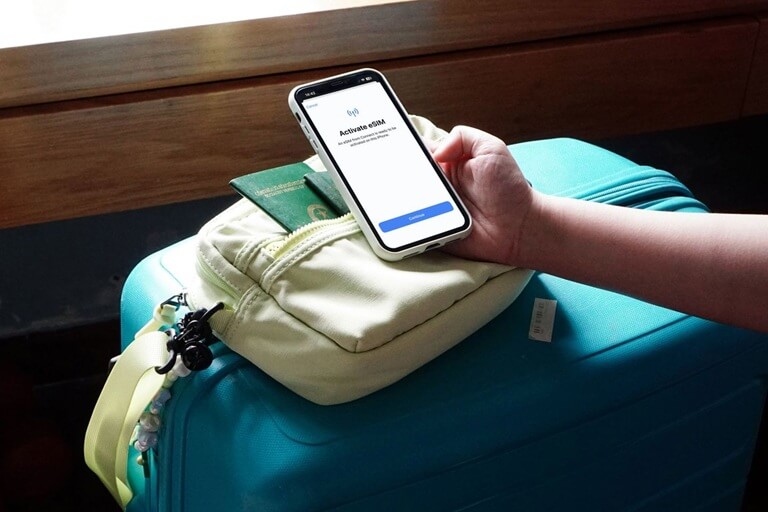
Why eSIM adoption is growing
This is already the case in the US. The iPhone 14 and all subsequent models sold in the US have no physical SIM card slot at all and are purely eSIM devices. You can activate a compatible mobile plan via the operator’s website (by scanning a QR code or the like).
For travelers, this can remove an unnecessary hassle. Someone visiting several countries can arrange connectivity before departure, rather than searching for a SIM card after landing. For example, an eSIM Europe plan from Orange Travel offers an option for people who want to organize mobile data for their trip in advance. This can be especially useful for travelers arriving late or moving between destinations.
How traditional carriers are adapting
The move to eSIMs means that the telco has to think about more than just the technology in the phone. Digital purchase, remote activation and customer support all become more important as the customer wants to be able to manage their service without having to go into a store.
GSMA Intelligence forecasts 2.5 billion eSIM-enabled smartphone connections globally by 2028. That’s a clear indicator of the importance of digital connectivity and the reason why operators need to have their services in place for the increasing number of eSIM users.
Orange Travel is a case in point of how a major telecom operator can meet these new demands. Their travel eSIM options allow the customer to set up connectivity entirely digitally, so they don’t need to buy and carry a separate physical SIM for their trip.
Providers also get a practical benefit from digital distribution. They don’t have to manufacture and ship as many physical cards, and remote setup makes it far easier to get a mobile plan to a customer wherever they are. Operators will of course still need to ensure that the activation instructions are clear and that customers are aware of device compatibility and coverage.
What comes next?
Physical SIM cards will still be in use for a while as some devices do require them and not all customers are used to the digital activation process. The rate of adoption will also be contingent on network availability and handset compatibility.
Still, the trend is very much that mobile connectivity is becoming less and less hardware-dependent. For an incumbent provider like Orange Travel, it’s all about making it easier for the customer to get their mobile service wherever they go.
Popular on OTW Right Now!



About The Author

Gagan Bhangu
Founder of otechworld.com and managing editor. He is a tech geek, web-developer, and blogger. He holds a master's degree in computer applications and making money online since 2015.