
Commercial Cleaning Services for Managing Shared Spaces Across Different Workplace Zones
Commercial properties contain several areas that serve very different purposes throughout the workday. Reception areas are welcoming, offices are work-oriented, break rooms are used for meals and conversation, and restrooms are frequently shared. Using the same cleaning procedure across all areas may overlook the different demands each workplace area requires.
Commercial cleaning services can be more effective when maintenance is organized by workplace zones. A zone can be assessed based on foot traffic, activity, surface, and frequency of use. It makes it easier for businesses to focus on spaces that get dirty quickly, and avoid providing more service than might be needed for less-used spaces.
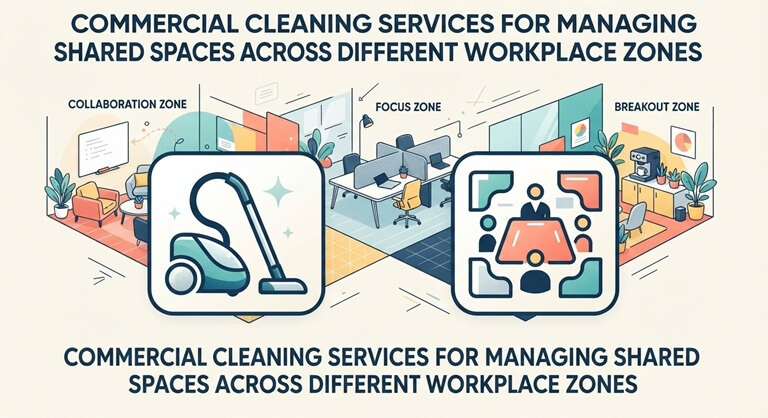
Maryland Luxury Cleaning Services recognizes that workplace cleaning needs can change significantly from one room to another. A practical, zone-based plan accounts for the impact of employees, customers, deliveries, and how the building operates. Prioritizing helps keep routine maintenance consistent and avoids unnecessary disruption to business activity.
Begin With Entrances and Reception Areas
The inside and outside are closely connected at entrances. Shirts, pants, and shoes can track dirt, water, leaves, and other debris onto the floors, especially when it rains. Visitors can also leave fingerprints and dust in reception areas by touching doors, counters, seating, and nearby surfaces.
Regular checks are important for visible cleanliness, as these areas have an impact on first impressions. Use of the space should determine the inclusion of floor, entry glass, reception counters and accessible furniture. Mats can also be used to stop outdoor debris from spreading any further into the building.
Maintain entryways for businesses with low public traffic, not just those with high traffic. The frequency of the cleanings should be based on the actual use of the property and not a standard schedule for all properties.
Treat Individual Work Areas According to Daily Use
Office spaces can be relatively clean, yet dust and paper waste, crumbs, and trash are still building up. Staffing patterns influence the level of use of desks, chairs, floors, and other nearby surfaces. Shared workstations can create extra maintenance needs because multiple people use the same workspace.
Cleaning plans should also consider personal work materials. Don’t move bulky items such as important papers, equipment, and employee items to keep the desk looking “neat” for no particular reason. Clear expectations help distinguish cleaning duties from personal organization.
With these differences in mind, Maryland Luxury Cleaning Services can prioritize throughout a commercial property. Knowing how each workspace operates enables a cleaner to perform tasks without disrupting operations.
Give Shared Equipment Areas More Regular Attention
Shared resources such as printers, copiers, supply stations, and more are areas employees use frequently. These areas can be frequented many times during the day, and fingerprints, paper waste, wrapping, and other trash can be left behind! The concentrated wear can also occur on the surrounding floor.
Look Beyond the Equipment Itself
Cleaning should include accessible surfaces around the machine, not just the machine itself. Nearby counters, handles of cabinets, waste containers, and the floor may need regular cleaning as workers use them when picking up documents and supplies.
Companies should adhere to appropriate care guidelines for electronic devices. Treat equipment surfaces with care; applying the wrong liquids or cleaning methods directly to sensitive parts can cause unnecessary problems.
Manage Break Rooms as Food-Use Zones
Break rooms have different cleaning needs than basic offices. This allows residue, spills, odors, and crumbs to grow rapidly, as food is prepared, used, disposed of, and shared appliances and sinks are used. These areas can look quite unappealing even if the rest of the workplace is well presented.
Cleaning tables and counters regularly is very important since they are used daily. Fingerprints and smears of food can also be left on appliance handles and exterior surfaces. Floors near sinks, refrigerators, and eating areas may need extra attention in the event of a spill.
Employee behaviors are also important. Relatively low expectations for disposing of food, cleaning up personal spills, and storing items properly can prevent unnecessary buildup between visits.
Build Restroom Care Around Actual Occupancy
Areas with many people in a small space may need more frequent attention than other rooms, such as restrooms. Sinks, counters, fixtures, mirrors, floors, and other surfaces are used multiple times. Supplies and bags for waste also must be monitored during peak times.
Many factors can influence the needs of a small office with limited employees, as opposed to a place where customers come and go daily. Cleaning should be planned to take into account occupancy and the number of visitors. Relying only on building size to schedule can overlook how active a facility is.
Commercial Cleaning Services can integrate restroom priorities into a broader zone-based program. The objective is to keep conditions consistent and adjust attention based on daily demand.
Keep Conference Rooms Ready for Changing Schedules
Conference rooms are subject to fast-changing usage; they can be empty and suddenly be used up to capacity in hours. Meetings can introduce beverage containers, food packaging, fingerprints, writing materials, and rearranged furniture. If the room has been a group space for an extended time, it may require attention after a morning clean.
To keep maintenance plans in place, consider meeting frequency and avoid matching private-office schedules. Tables, chairs, presentation areas, and floors can be checked based on input use. Dispose of waste after meetings as needed.
These rooms may be especially important for businesses that receive clients. A pre-prepared meeting room provides a professional setting without staff having to rush into a clean-up just before visitors.
Separate Customer Areas From Back-of-House Spaces
Retail, service, and other customer-facing businesses may have areas customers will never see. Storage rooms or staff areas may have maintenance routine schedules that depend on the needs of the operation, and public areas may need more frequent visible maintenance. Treating both areas the same may not be the most efficient use of cleaning time.
Floors, counters, waiting areas, and entrances are typically areas of repeated customer interaction. If possible, keep valuable operating hours for these spaces while keeping them presentable. Back-of-house areas require regular maintenance, but needs may include safe access, debris control, and organized work practices.
A zone approach focuses on each zone based on its purpose. It also aids managers in communicating their expectations for services to employees more effectively.
Account for Different Flooring Across the Property
Commercial buildings likely have multiple floor coverings. Offices, hallways, and other surfaces in restrooms or food areas can be carpeted. All materials will react differently to the soil, moisture, traffic, and cleaning practices.
Pedestrian entry floors can be exposed to outdoor abrasive particles, and break room flooring can be subject to food-stain exposure. High-traffic zones, such as tables and chairs, may occur in carpeted conference areas. Understanding these differences will help avoid using one floor care product in all situations.
Managers can also monitor areas with visible soiling first. These patterns will help inform which zones should be targeted for regular maintenance activities.
Schedule Cleaning Around Business Operations
Cleaning activities should enhance the workplace without unduly distracting employees and/or customers. Busy reception times, planned sessions, deliveries, and food service times may affect specific areas. Task coordination with normal operations helps to minimize unnecessary conflicts.
Certain areas might be more readily accessible prior to opening, when closing, or during slow times. Others may need to be lit during the day because debris is constantly present. When it is appropriate will depend on the nature of the business.
These operational patterns will be applicable to Mary Land Luxury Cleaning Services’ plans for maintaining various areas of the workplace. Flexible scheduling can help keep things clean while still enabling staff to carry out their normal duties.
Review Zone Priorities as Workplace Needs Change
If workplace needs change, a commercial cleaning plan should not assume a static position. The need for cleaning can change when new staff members join the team, cleaners move to new work areas, customers come and go, or the hours of operation change. The maintenance plan remains relevant to its use when it is regularly reviewed.
Managers can monitor for typical issues like trash buildup, frequently damp entrances, or break room maintenance that needs to happen sooner than scheduled. These observations can inform schedule modifications, rather than blanket increases in cleaning throughout.
Parameters for commercial cleaning services work best when priorities match the facility’s real needs. You can review individual zones to adapt to business needs without compromising consistency across the property.
Create a Workplace Plan That Reflects How Spaces Function
It’s easier to maintain a commercial property if you think of it as a set of working spaces, rather than a single space. Cleaning is required in different areas, such as entrances, offices, restrooms, break rooms, meeting areas, and customer areas. Identifying these variations helps management set clearer, more useful priorities.
Zone-based planning also makes it easier to match cleaning frequency with traffic and activity. Extra emphasis can be placed upon high-use areas and a routine used for quieter areas. This provides a practical arrangement for keeping the property as is, but not by making identical treatments to all the rooms.
Overall workplace cleanliness depends on regular attention to the most critical areas. Assessing the site, visitors, employees and their activity, and the time the building is in use will enable businesses to establish practices that are suitable to their real working environment. It creates a clean, tidy and ready-to-work environment.
Popular on OTW Right Now!




About The Author

Gagan Bhangu
Founder of otechworld.com and managing editor. He is a tech geek, web-developer, and blogger. He holds a master's degree in computer applications and making money online since 2015.