
The Art of Craftsmanship in Modern Wearable Design
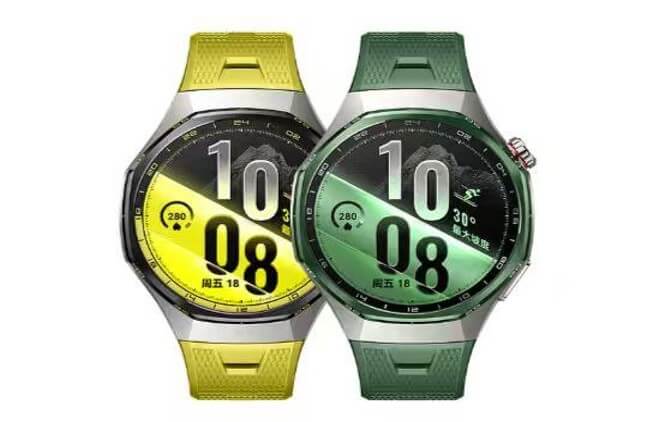
Premium Materials That Define Excellence
Wearable technology has transcended its utilitarian origins to become genuine fashion accessories worthy of haute horology consideration alongside centuries-old mechanical timepieces. Ultimately, a modern smartwatch is a blend of high-tech capabilities and enduring design, honoring the tradition of watchmaking and advancements in digital technology. Today’s consumers are looking for devices that are functional, but also fit their personal style and social situation, and that offer sophisticated technology without sacrificing visual design or quality of materials.
The materials used are the essence of high-quality wearables and what makes them age and develop character over time. Aerospace-grade titanium alloys offer unparalleled strength and durability, yet have incredibly low weight profiles, which helps avoid weight fatigue from heavier watches. Unlike traditional metals, which can corrode, tarnish, or degrade over time when exposed to sweat, humidity, and daily use, titanium develops a unique style that accentuates its beauty, not destroys it, after many years of service. This aging process creates unique personal artifacts that speak of adventures, achievements, and day-to-day life.
Another indication of truly luxurious watchmaking perfected for modern electronic devices is the sapphire crystal. Sapphire outperforms any other material – except diamond – on the Mohs scale of hardness, meaning that after a few weeks of use, lesser materials will be scratched forever. This durability guarantees top-notch visibility even years after purchase, ensuring the important clarity needed to review in-depth health data and alerts without any distracting surface harm. Sapphire’s optical properties also enhance the display’s brilliance, making it more captivating and improving the overall visual experience. Paired with sapphire, titanium gives the metal body a material foundation that conveys quality even before the device is turned on.
Design Philosophy and User Experience
Ceramic engineering techniques add advanced texture to the wearable design, making it better than mass-produced options. Nanocrystalline ceramic components have excellent scratch resistance and unique cosmetic properties that are cool and smooth to the skin. The inherent characteristics of the material allow tactile comfort during extended wear in different climates and are hypoallergenic for use by sensitive users who may be sensitive to metal alloys. The varieties of thoughtfully combined materials reflect comprehensive design concepts that emphasize function and form equally.
Strap design has evolved from a simple means of attachment into a key part of comfort and style. Eliminating traditional pressure points and edge curling during active motion, embedded spliced fluororubber constructions provide a solution to conventional constructions that cause these issues. This innovation provides constant comfort during the more strenuous exercise periods whilst keeping the sensors in place for proper contact with the wrist. It is highly UV-resistant and resistant to salt water, chlorine, and perspiration, which allows the strap to last much longer than rubber or silicone.
In recent generations, display technology has made significant strides and directly affects the user experience. The peak brightness feature is ideal for reading even in strong tropical sun, as other screens might result in the need to squint and shade your eyes to read the information. AMOLED technology offers true blacks and rich colors, giving watch faces a painted-on-the-crystal appearance rather than being set behind glass. Always-on display means critical information is always visible, without exaggerating wrist motion that could distract from social interaction or a professional environment. The display features ensure the device’s usefulness and beauty in all lighting conditions.
Versatility Across Life Contexts
The HUAWEI Watch GT 7 Pro embodies these material and design philosophies through meticulous attention to construction details at every level. Each piece is chosen not only to look the part but to provide a sense of tactile gratification and durability as well. This device seamlessly switches between the boardroom and the weekend, without the need to change out of clothes or accessories that would disrupt busy professionals with diverse lifestyle needs.
The color options reflect a sophisticated understanding of personal expression and cultural preferences across markets. Modern styles are not rigid; they offer a range from simple professional to energetic athletic, allowing you to create a look that is uniquely yours. This diversity is due to the fact that there are no compromises in finding expressions for the wearer that correspond to their lifestyle and personality. Interchangeable strap systems also offer additional customization options, enabling a single piece to switch between different scenarios, whether you’re dressing for a formal dinner or a gym session.
In fact, the social aspect of wearable fashion should be taken into account, because in everyday face-to-face situations, such as handshakes and gestures, wearable devices are at the center of attention and convey non-verbal messages about fashion and social status. Any outfit, style, and personal presentation should be complemented by a well-selected wearable to produce a coherent presentation. On the other hand, when devices aren’t the right fit or don’t match, a certain dissonance can mar all the hard work put into appearances. Selective choices reflect attention to detail, whether observed consciously or subconsciously, and can impact professional and social impressions over time.
The harmony between the craftsmanship of making timepieces and the latest technological advancements results in objects that are inspired by horology but also future-oriented. As wearables evolve, the line between mechanical and electronic devices is blurring, with each side borrowing characteristics from the other. The outcome meets the needs of consumers who do not want to compromise on either beauty or utility, providing both in a way that is integrated with each other to meet the needs of a wide range of life situations. This synthesis is the most advanced stage of wearable-tech evolution, at which point devices deserve the wrist space they are given.
Popular on OTW Right Now!

About The Author

Gagan Bhangu
Founder of otechworld.com and managing editor. He is a tech geek, web-developer, and blogger. He holds a master's degree in computer applications and making money online since 2015.