
How to Stay Powered Through an OG&E Outage?
An OG&E outage can disrupt heating, cooling, food storage, internet access, medical devices, and basic daily routines within minutes. Being prepared before the lights go out will help you maintain comfort, safety, and communication during short power outages or extended outages. The best idea is to figure out what is most important for your home to run, correlate it to a backup plan, and store emergency items together. There is a practical solution that can help you minimize stress, prevent spoiled food, keep critical devices operating, and keep your household running safely. At the same time, your utility service is being restored.
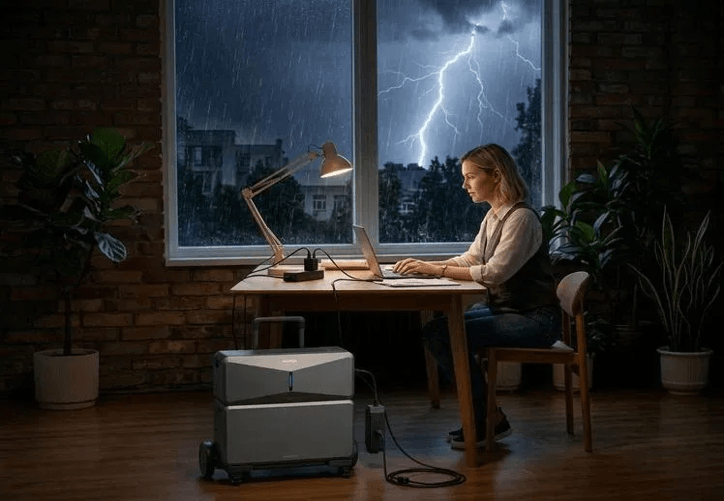
How to Prepare Your Home Before an OG&E Outage?
Identify Essential Appliances and Devices First
Start by listing the appliances and devices your household cannot go without during an oge outage. Pay attention to refrigeration, medical equipment, lights, cell phone charging, internet equipment, garage access, sump pumps, and a few heating/cooling requirements. Review the wattage the item requires while operating, and the surge it produces when it starts up, in order to know the power demands you will incur, not just a best guess. Prioritize group equipment: critical, useful, optional. This simplifies the load management in the event of reduced capacity. If they have powered medical equipment that they use in the household, then put that at the top of the list. With a simple list of the appliances in your system, you’ll have a solid basis for selecting the best backup solution and runtime.
Create a Backup Power Plan for Different Outage Scenarios
Plan for the duration of an estimated outage. During short outages, only the lights, phones, Wi-Fi, and refrigeration protection may require battery power. If you are going to take a half-day or overnight break, consider which devices to rotate, unnecessary loads, and battery life. If power is out for more than a day, determine how to recharge power equipment and which circuits are necessary to remain energized. Plan where to place backup units, how extension cords or transfer equipment will be utilized, and who will set up the units in the house. Test the plan before storm season. When power on OG&E is interrupted suddenly, a written checklist enables everyone to respond promptly, safely, and in a consistent manner.
Keep Emergency Supplies Ready for Extended Blackouts
Having back-up power is just a portion of outage preparedness, so store emergency supplies in a single convenient place. Bring flashlights, extra batteries, a weather radio, shelf-stable food, bottled water, blankets, first aid supplies, medication, and pet supplies. Include power banks for small items and ensure key items are fully charged in the event of severe weather. Keep a printed list of contact numbers, outage reporting numbers, and any directions for medical equipment (in case of no Internet access). In situations where there is no power, fuel-free lighting is helpful, like LED lanterns. Regularly check and replace items that are out of date. Having a kit that is well-stocked with resources reduces last-minute scrambling and helps to support your family during extended OG&E outages.
What Backup Power Options Can Keep Your Home Running?
Portable Power Stations for Flexible Emergency Power
Portable power stations are ideal for when households require an instant and simple power source, but no permanent setup. Depending on capacity and output, they can power phones, laptops, lights, routers, CPAP machines, and some kitchen necessities during an OG&E outage. They are particularly helpful in smaller homes, apartments, or as a first layer of backup for crucial devices. Check that the battery capacity is sufficient for the loads you want to power and that it has enough power to start them. They are quiet and do not require any special precautions for indoor usage, making them useful during nightly power outages. Pre-charge the unit, keep charging cables close by, and plan which devices you will connect first in the event of a power outage.
Solar Charging for Longer Power Independence
Solar charging adds resilience because it can help restore battery power during the day, when it’s needed most, particularly during lengthy OG&E outages. You can use a combination of compatible solar panels and a battery system to store electricity to power critical loads like communications systems, lights, and refrigeration support, as well as other load devices. There are many factors that affect performance, including panel size, weather, season, and location; so your setup should be based on realistic and not ideal energy requirements. Maintain clean panels and understand the ideal location for the safe placement of panels for optimal sun exposure. When the grid takes longer to get back on, Solar is best used as part of an overall outage plan and provides a renewable source of runtime to help maximize your independence.

Whole-Home Backup Systems for Critical Loads
Whole-home backup systems can be used to keep selected circuits or part of the home running in the event of an OG&E outage for households who wish for more extensive coverage. Properly configured, these systems can power refrigerators, HVAC support, well pump, laundry equipment, and many other critical loads that have higher outputs and expandable storage. The Anker SOLIX E10 is one in this category, with the Turbo Output of 10-30kW, Rated Output of 7.6- 22.8 kW, and Battery Expandability of 6-90kWh. This range gives homeowners the flexibility to install a system that fits their current and future needs. The licensed installer can help you connect circuits and move equipment and batteries safely and properly.
Conclusion
The key to riding out an OG&E outage is preparation and not guesswork. Know your critical devices, make a plan for a short and long power outage, and have emergency supplies prepared before severe weather strikes. Next, select an alternative that is appropriate for your household, either a portable power station or a system utilizing solar power for storage, or a whole-house power system for critical loads. Doing these things now can help keep food, communication, comfort, and safety when the power goes out. Clearly outlining your home’s backup plan empowers your family to have a better experience during power failures.
Popular on OTW Right Now!



About The Author

Gagan Bhangu
Founder of otechworld.com and managing editor. He is a tech geek, web-developer, and blogger. He holds a master's degree in computer applications and making money online since 2015.