
What Makes a Home Comfortable for People With Busy Lifestyles?
For people with demanding schedules, home is more than a place to sleep. It is where they recover after long workdays, spend time with family, and recharge before the next set of responsibilities. A comfortable home does not require complicated design changes. It comes from creating spaces that support relaxation, convenience, and everyday routines.
The most comfortable homes for busy lifestyles combine practical organization, calming environments, and features that support physical and mental well-being. Small improvements can make daily life easier and help a home feel like a true personal retreat.
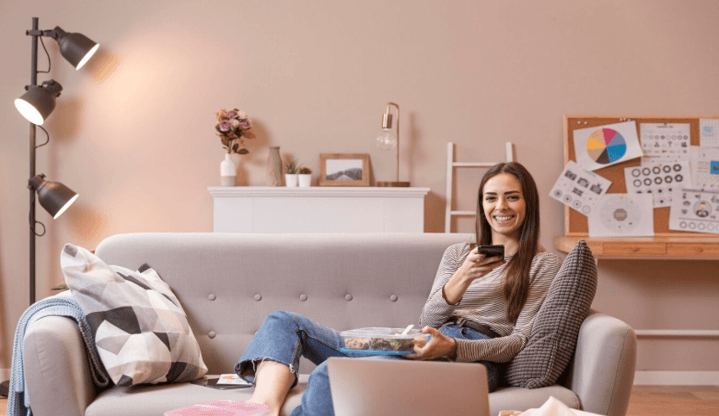
Key elements that make a home comfortable
A comfortable home usually includes:
- Spaces designed around daily habits
- Furniture that supports relaxation and posture
- Better organization to reduce clutter
- Lighting and temperature control for comfort
- Areas dedicated to rest and recovery
Comfort is not only about appearance. It is about how easily a home helps people move through their day.
Create spaces that support your routine.
For busy professionals, it can be a large part of the day to move from task to task, meeting to meeting, and responsibility to responsibility. A house ought not to add to friction but take away from it.
For instance, an entry hall with space for daily-use items can keep clutter from spreading throughout the house. Having a dedicated workspace can help to distinguish work from leisure. A cozy bedroom environment can set the stage for a restful night’s sleep after a busy day.
Ideal home layouts reflect how people really live. Rather than building rooms around what they look like, consider how each room can help establish your habits.
Prioritize relaxation and recovery areas.
Many people have a hectic day and need to unwind without traveling to a club to relax. It can be very helpful to establish a relaxation zone.
This space does not need to be large. It can include:
- A comfortable chair or sofa
- Soft lighting
- Quiet surroundings
- Books, music, or personal hobbies
- Wellness-focused furniture
For those looking to add a dedicated recovery feature, a massage chair can become part of a home wellness routine by providing a convenient way to relax and release daily tension without scheduling appointments or traveling elsewhere.
Use smart organization to reduce daily stress.
When a home has a lot of clutter, it can make the home less comfortable to live in, particularly when there is limited free time. A well-organized space can help to bring more clarity to the environment and help to make everyday activities easier.
Simple improvements include:
- Using storage solutions that keep frequently used items accessible
- Removing unnecessary items from high-traffic areas
- Creating designated spaces for work, hobbies, and relaxation
- Choosing furniture with built-in storage where possible
The aim is not to be 100% minimalist in the home. It’s about making a place with meaning and making things easier in the day-to-day.
Design Your Home for Convenience and Less Daily Effort
A home should not only be comfortable for you, but it should also be relaxing! It should also help with tasks performed regularly in everyday life. Convenience is an important aspect of comfort for those with hectic lives.
Small design choices can reduce daily effort, such as:
- Keeping frequently used items within easy reach
- Creating a simple cleaning routine with easy-to-maintain materials
- Setting up charging stations for personal devices
- Organizing kitchens and storage areas around daily habits
- Choosing furniture and layouts that improve movement between spaces
An efficient home allows individuals to enjoy their homes rather than spending time managing them. Comfort is defined by making a space for your lifestyle rather than imposing additional obligations.
Choose furniture based on comfort, not only style.
Furniture is a really crucial element of a home. If you sit and relax for hours, you should find a sofa or chair that offers a comfortable and attractive seat.
When selecting furniture, consider:
- Ergonomic support
- Cushion quality
- Ease of maintenance
- How the furniture fits your lifestyle
Furniture should be comfortable for busy homeowners, from reading and relaxing to spending time with family.
Improve the atmosphere with lighting and temperature control
Comfort is greatly affected by environmental factors. Even a beautifully designed home can be a miserable place to live when lighting is excessively bright, or the temperature is uncomfortable, or the air quality is low.
A more comfortable home often includes:
- Layered lighting with task and ambient options
- Adjustable temperature settings
- Good ventilation
- Natural light where possible
These improvements help create a space that feels welcoming at different times of the day.
Use Technology to Create a More Comfortable Living Environment
Technology in a smart home can help those with limited time manage everyday comfort more easily. Simple things can be automated by the right tools and contribute to a more personalized setting.
Examples include:
- Smart lighting that adjusts based on the time of day
- Automated temperature controls for consistent comfort
- Voice-controlled devices that simplify routine tasks
- Smart home systems that improve energy efficiency
- Wellness-focused technology that supports relaxation
Technology shouldn’t be cumbersome in a home. The best solutions are working silently in the background and aiding people to create a more convenient and comfortable living space.
Add personal touches that make the space feel like home
Comfort is also emotional. A home should reflect the people living in it.
Personal elements can include:
- Family photos
- Artwork
- Plants
- Favorite books
- Meaningful decorations
All these details make the home familiar and more like a place of experiences than just a show home.
Comfort-focused homes support healthier routines.
The atmosphere of a comfortable house can affect people’s sleeping, working, and leisure activities. A relaxed environment with organization makes it easier to keep healthy routines when life is hectic.
For example, a person who has a dedicated relaxation area may be more likely to take short breaks. A person who is more organized can dedicate less time to looking for things and more time to working on priorities.
The most effective home improvements are often the ones that make everyday moments easier.
Final thoughts
A comfortable home is designed around function, relaxation, and personal needs and is a home for a busy lifestyle. It doesn’t need a total remodel. Simple alterations, such as better organization, selecting furniture that supports the function of the area, and providing space for recuperation,ation can change the ambiance of a home.
The right environment is one that allows people to unwind from the hectic stresses of their daily lives and have fun at home. When homeowners design spaces around actual routines, they can have a home that encourages productivity and relaxation.
FAQs
1. What is the most important feature of a comfortable home?
The most crucial is a layout that will help you conduct your daily life. The home should render everyday activities easier and provide areas for rest.
2. How can busy people make their homes more relaxing?
For busy people, design for rest, clean-up, better lighting, and the inclusion of furniture or features for rejuvenation are all ways to help get to a place of relaxation.
3. Does home organization affect comfort?
Yes. Having a home that is better organized will prevent visual clutter, time wasting, and make a home easier to manage and calmer.
Popular on OTW Right Now!



About The Author

Gagan Bhangu
Founder of otechworld.com and managing editor. He is a tech geek, web-developer, and blogger. He holds a master's degree in computer applications and making money online since 2015.