
What Are the Most Practical Smartphone Use Cases Today?
Smartphones act as everyday tools that help people manage work, family, and personal life with ease. Most people use them to talk to each other, to pay bills, to learn new skills, and to stay up to date. All in one device, instead of a camera, a map, a music player, and even a wallet. As apps become “smarter” and “phones do more”, they are taking over from the computer. Knowing the best use cases for smartphones today can help users choose better apps, save time, and make the most of their device.
Staying Connected Anytime and Anywhere
Messaging, Voice Calls, and Video Calls
Phones serve as tools for communication, allowing people to instant message, call, and video chat with each other. Users can send quick messages, upload images, or even chat with groups of people and family members. When typing takes too long, voice calls can handle urgent issues. Video calls let you connect with people you care about at a distance, and they can support remote meetings or telehealth visits. Popular apps have everything in one place: chat, calls, and video, and switch modes with one tap. This adaptability makes it important to have a smartphone for instant communication.
Social Media and Community Engagement
Social media apps on smartphones let users post updates, follow the news, and join communities with similar interests. Individuals upload pictures, short videos, and messages to stay visible and connected. Real-time interaction with friends, brands, and creators is possible through comment sections, direct messaging, and live streams. Local groups provide support for neighborhood events, recommendations, and buy-and-sell activity. Many people also follow fitness, finance, tech, or hobby bloggers. As a constant companion, the smartphone offers quick breaks to engage and build online relationships.
Using Smartphones for Work, Learning, and Daily Productivity
Managing Emails, Calendars, and Tasks Efficiently
The smartphone can be a mobile office for on-the-go workers. Email Apps allow users to respond to messages, set meetings, and handle numerous accounts while on the move. Calendar applications provide alerts for meetings, deadlines, and events, ensuring that people don’t miss anything. Task and note apps organize to-dos in lists, prioritize them, and synchronize them across devices. With many integrated tools, an email can become a calendar event or task with a single tap. This saves time and gives users control of their day.
Remote Work, Online Learning, and Collaboration Tools
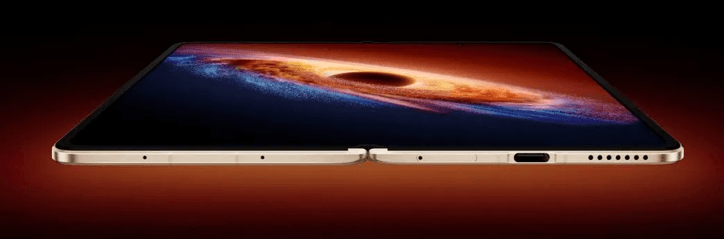
Modern smartphones support remote work and online learning through powerful collaboration apps. Users of HONOR Magic V6 can join video conferences, share screens, and chat with teams without a laptop. Cloud storage applications enable people to view and edit documents, slides, and spreadsheets while on the go. Students view lecture videos, upload assignments, and attend virtual classrooms on mobile learning platforms. Team collaboration tools such as project boards and group chats help you keep everyone on the same page. Smartphones provide a hub for flexible work and study with push notifications to alert users to new messages and deadlines.
How Smartphones Simplify Everyday Life
Navigation, Travel Planning, and Real-Time Directions
Navigation Apps make smartphones reliable travel partners. Users can enter an address, landmark, or business and receive step-by-step instructions for driving, walking, biking, or taking transit. Real-time traffic information can help you find the quickest route and alert you to accidents or delays. Fuel stations, restaurants, and charging points appear near your location on the map. People use dedicated apps to check flight status, boarding gates, hotel booking, etc. Offline maps are useful in regions with weak signals. These help to relieve stress, save time, and make it much easier and safer to explore new places.
Mobile Payments, Banking, and Online Shopping
Many people are using their smartphones as an alternative to their wallets for everyday transactions. Mobile payment apps enable you to pay almost anything and to transfer money to pals within seconds of a tap in stores. Banking apps include a balance, allow you to monitor your spending, and initiate transfers or bill payments without having to go into a branch. Users can save cards, establish alerts, and control their savings from their mobile phones. Using the shopping app is easy to compare products and reviews, and it makes it easy to order items online for delivery or pickup to your home. Secure authentication protects sensitive information and builds user trust.
Smartphones as Entertainment and Content Creation Hubs
Streaming, Gaming, and Digital Media Consumption
Smartphones are a complete entertainment experience in a pocket-sized package. Streaming apps offer users movies, TV shows, music, podcasts, and live sports anywhere. Many services also offer offline downloads, so users can view or listen without using data. Mobile games can be simple puzzle games or more complicated online multiplayer games with friends or players worldwide. News apps and e-readers provide articles, blogs, and books in an uncomplicated format. Recommendations suggest new content – available when available- but also help relax, learn, or unwind.
Photography, Video Recording, and Content Sharing
Today’s smartphone cameras have great resolution and can take clear shots and videos, on par with simple standalone cameras. Users take snapshots, slow-motion videos, and benefit from portrait and night mode for better quality. The built-in editing capabilities let you adjust brightness, color, and framing in seconds. Adding text, filters, and music is quick and easy with these short-form video and photo apps. People can upload content to social media, send it to friends, or back it up to the cloud with fast sharing options. Users today are generating and sharing content on the fly every day.
Conclusion
Smartphones are now efficient multi-tools for communication, work, learning, and everyday life in a single device. People use them to connect, get directions, manage their money, and enjoy on-demand entertainment. Phone technology is evolving to make phones more capable and easier to use as the apps evolve. By understanding the major use cases, users can choose apps and settings that best fit their lifestyle. Smartphones can be used intentionally to save time, reduce stress, and turn a simple gadget into a powerful assistant for today’s lifestyle.
Popular on OTW Right Now!


About The Author

Gagan Bhangu
Founder of otechworld.com and managing editor. He is a tech geek, web-developer, and blogger. He holds a master's degree in computer applications and making money online since 2015.