
90° vs. 54° FOV: Antigravity A1 Vision Goggles vs. DJI Goggles N3
Field of view has a huge impact on how FPV goggles feel in actual flight, and the gap between 90° and 54° is easy to notice. A wider image can feel more natural, more immersive, and easier to track during fast movement, while a narrower image often feels more like looking through a smaller window. In this comparison, the main question is simple: which viewing angle creates the better experience? For most pilots, 90° feels better because it delivers a larger visual space and stronger sense of presence. That difference becomes even more meaningful during quick turns, low-altitude flying, and cinematic lines where spatial awareness matters. Comparing Antigravity A1 Vision Goggles with DJI Goggles N3 makes that contrast especially clear for both new and experienced FPV pilots.
Why Field of View Matters in FPV Flight Goggles
How FOV Changes the Way Pilots See the World
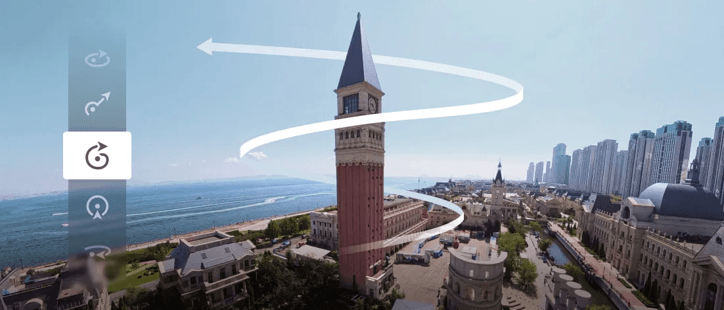
Field of view shapes the entire visual experience inside FPV goggles and directly affects how pilots interact with a drone camera during flight. When the image fills more of your sight, the flight feels larger, faster, and more connected to your movements. You notice side-to-side motion more clearly, judge proximity with greater confidence, and feel less like you are watching a screen in the distance. A smaller field of view reduces that sensation. It can make the image seem farther away and weaken the feeling of being inside the aircraft’s path. For pilots capturing footage with a drone camera while flying through trees, around buildings, or across detailed terrain, that difference becomes especially noticeable. FOV is not only about creating a more immersive view. It directly influences spatial awareness, motion perception, and how naturally the drone responds during real-world flying.
Why Viewing Angle Is More Than Just a Number
A field-of-view number looks like a simple specification, but it changes several parts of the flying experience at once. A wider angle affects immersion, yet it also influences comfort, confidence, and how quickly your eyes interpret motion. If the image feels expansive without becoming blurry or strained, pilots usually feel more engaged and more in control. If the view feels restricted, they may need to work harder to read the scene during fast direction changes. Optical design, display quality, and fit all interact with FOV, so the number alone does not tell the full story. Still, when two goggles differ this much in viewing angle, the practical result is significant and easy to feel during real-world flight sessions.
Understanding the Difference Between 90° and 54° FOV
How a Wider 90° FOV Creates a More Immersive View
A 90° diagonal field of view creates a visibly broader image that wraps deeper into your visual space. Instead of feeling like you are peering at a centered rectangle, the scene expands and gives flight more scale. That added width helps quick banked turns, terrain-following lines, and freestyle movement feel smoother and more convincing. The view appears more immediate, so your reactions often feel more natural. In practical terms, the Antigravity A1 Vision Goggles push this effect further with a 90° diagonal FOV and 65° horizontal and vertical FOV, which the brand notes is two-thirds larger than N3. That larger visual envelope makes FPV flight feel less boxed in and more like direct aerial presence overall.
Why a Narrower 54° FOV Can Feel More Limited
A 54° diagonal field of view usually feels tighter because the image occupies less of your visual space. That does not automatically make it unusable, but it does reduce the sense of speed, scale, and environmental presence that many pilots want from FPV. During turns or close passes, the scene can feel more distant, as if you are observing flight rather than sitting inside it. The DJI Goggles N3 use a 54° diagonal FOV with 47° horizontal and 26.47° vertical coverage, so the image feels notably smaller than a 90° presentation. That narrower framing can make immersive flying less dramatic and may limit peripheral visual cues that help some pilots feel more confident and connected in motion.
Comparing Antigravity A1 Vision Goggles and DJI Goggles N3 Viewing Experience
Display Quality, Optical Design, and Visual Detail
Viewing experience is not defined by FOV alone, and the hardware gap here strengthens the difference. Antigravity A1 Vision Goggles use a Micro-OLED display with a pancake optical system, 2560 × 2560 resolution per eye, 72 Hz refresh rate, adjustable IPD from 59–72 mm, and built-in diopter adjustment from +2.00 D to -5.00 D. That combination supports a sharper, more personalized, and more compact viewing setup. By contrast, DJI Goggles N3 use one 1080p LCD screen, a folded refractive optical system, up to 60 Hz refresh rate, no adjustable IPD, and no diopter adjustment. The result is a bulkier design with less fit flexibility and a less refined visual presentation for many users overall.
Peripheral Awareness, Motion Feel, and Flight Confidence
When pilots talk about goggles feeling good, they often mean how confidently they can process motion. A wider image improves peripheral awareness, which helps turns feel more readable and flight paths feel more deliberate. That does not mean true human peripheral vision is fully recreated, but the effect is enough to change how connected the pilot feels to movement. Antigravity A1 Vision Goggles benefit from this broader presentation, and their lighter 340.4 g design also helps comfort during longer sessions. DJI Goggles N3, at 536 g, place more weight on the face and pair that heavier build with a smaller view. Together, those factors can make the experience feel more enclosed, less spacious, and less natural in fast flight.
Conclusion
For the question of which feels better, 90° clearly wins. The wider field of view creates a stronger sense of immersion, better motion perception, and a more open visual experience that suits FPV flight far better than a 54° view. That advantage becomes even more convincing when paired with stronger display and optical design. Antigravity A1 Vision Goggles combine a 90° FOV with high per-eye resolution, Micro-OLED visuals, pancake optics, adjustable fit, and a lighter build, so the overall experience feels more advanced and more comfortable. DJI Goggles N3 can still provide a functional flight view, but the narrower 54° image feels more restricted. For pilots who want goggles that feel expansive and engaging, the Antigravity A1 Vision Goggles are the better choice.
Popular on OTW Right Now!



About The Author

Gagan Bhangu
Founder of otechworld.com and managing editor. He is a tech geek, web-developer, and blogger. He holds a master's degree in computer applications and making money online since 2015.