
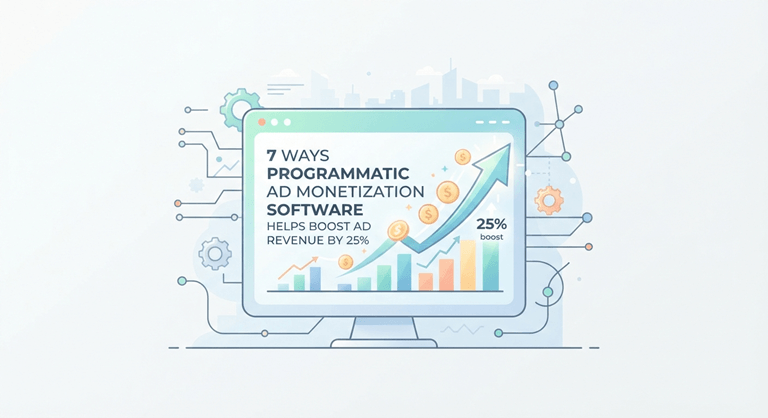
7 Ways Programmatic Ad Monetization Software Helps Boost Ad Revenue by 25%
A modern programmatic ad monetization software stack helps publishers increase ad revenue by automating inventory decisions, improving demand competition, and turning data into actionable yield optimizations. When that software is treated as core infrastructure—like the setup behind the Attekmi programmatic ad monetization software model—it can realistically contribute to 25% or more revenue uplift over time.
Introduction to Programmatic Ad Monetization Software
What is Programmatic Ad Monetization Software?
Programmatic ad monetization software is a specialized platform that automates the sale and optimization of impressions across direct, open auction, and private marketplace demand. It usually combines an ad server, exchange or SSP logic, ad serving tools, and analytics into one integrated environment.
Instead of manual ad hoc decisions, a programmatic ad monetization platform uses real‑time bidding, data signals, and configurable rules to decide which demand source should win each impression. For an ad monetization platform publisher, this is what turns fragmented setups into a more coherent ad revenue platform.
Why Publishers Need Programmatic Solutions
As inventory and traffic grow, manual monetization processes struggle. The number of partners, deal types, formats, and audience segments quickly exceeds what humanad opss teams can handle via spreadsheets and static rules.
That’s why publishers increasingly rely on programmatic ad monetization software: it lets them scale decisions, manage complexity, and systematically apply an ad monetization strategy rather than reactive tweaks. This is essential for any publisher ad network or ad network platform model.
1. Automated Ad Inventory Management
Streamlining Ad Operations
First, programmatic ad monetization software automates routine operations: mapping inventory to placements, enforcing eligibility rules, and deciding which demand sources can compete for which impressions.
Instead of manual trafficking for every setup, the system uses templates, rules, and dynamic allocation logic to keep operations consistent. This reduces friction and frees teams to focus on higher‑value tasks like strategy and partner management.
Reducing Manual Errors
Errors happen when human hands are involved: misconfigured line items, wrong targeting, missing or missing caps. A proper ad platform can minimize these risks through workflows and by centralizing configuration.
The fewer mistakes that are made, the less chance of lost opportunities athe nd more revenue stability. This, on its own,n can make a considerable difference to the type of 25% uplift publishers are looking for as part of their modernization efforts over time.
2. Real-Time Bidding for Maximum Revenue
How Real-Time Bidding Works
Real‑time bidding (RTB) is a feature of a programmatic ad monetization platform that enables multiple buyers to bid for each impression within a few milliseconds. The system puts out bid requests to integrated demand sources and returns the best bid based on your rules.
This helps drive the price towards a real market rate, as every impression can be valued by context and audience rather than CPM. It also allows for the easier incorporation of new demand.
Benefits for Publishers
For publishers, RTB is a core driver of revenue uplift:
- More competition per impression can increase average CPMs.
- Better matching of buyers to specific audience segments improves monetization for niche traffic.
- Dynamic pricing reacts to demand changes in real time, not weeks later.
When programmatic ad monetization software is properly configured, RTB is no longer a one‑and‑done solution but a daily tool for increased yield.
3. Advanced Audience Targeting
Leveraging Data for Better Results
Advanced targeting enables an ad monetization platform publisher to narrow the choices of impressions it provides to those that it offers to the right buyers. The platform can offer more valuable inventory packages by leveraging data like geo, device, content category, behavioral signals, or first-party audience segments.
Targeting is often more precise, which translates into higher bids because advertisers can target the subsets of your audience that are more relevant to them. This will become an integral component of a strong ad monetization strategy over time.
Increasing Advertiser Demand
Improved targeting of an audience also leads to more and better volume of demand. Advertisers have more trust in inventory with established, consistent parameters and performance.
Advanced targeting is a publisher’s secret weapon when it comes to publisher ad networks and mobile application monetization – and it’s the key to converting “generic remnant impressions” into premium segments that can deliver higher rates.
4. Enhanced Yield Optimization
Dynamic Floor Pricing
Programmatic ad monetization software can make a direct, measurable impact on yield optimization. Dynamic floor pricing: variesthe minimum CPM by segment (placement, geo, device, audience) depending on the realised performance and demand strength.
While publishers may have one static CPM for all traffic, they also have the option to increase the CPM for high-dollar traffic and lower it for fill-sensitive traffic. This eliminates excess unsold goods and the ability to capture more value if it is acceptable to the market.
A/B Testing for Higher CPMs
An effective ad monetization platform enables pricing rules, partner mixes, and layout tests that are structured in an A/B test format. Publishers can compare variants within the traffic samples and select the variants that offer better CPMs and steady fill.
Testing and iteration are essential to achieve a continued 25% uplift. If they are not there, the revenue gains are more likely to be short-term than long-term.
5. Access to Premium Demand Partners
Expanding Advertiser Pool
It’s easier to integrate multiple demand sources with programmatic ad monetization software, including SSPs, exchanges, DSPs, and direct deals. This increases the competition for your impressions—it’s important to grow your ad revenue.
The wider and more specific your demand is, the more likely you’ll have buyers interested in the segments that you have. That’s important for general ad publishers, and it’s important for people who are developing a more niche ad network platform.
Improving Fill Rates
In addition to CPM, high-quality demand also ensures good fill. A programmatic ad monetisation platform can steer traffic to alternative partners where primary partners are not available or are delivering less.
Consistently higher fills mean fewer wasted inventories and better monetization in general, particularly during heavy traffic times or in areas with fluctuating demand.
6. Comprehensive Analytics and Reporting
Data-Driven Decision Making
Programmatic ad monetization software is a system that is controllable, and it all starts with analytics. The best platforms offer granular views of partner, placement, geo, device, format, and audience performance.
This information enables teams to go from guesswork to evidence-based decision-making. They can see which are efficient and which provide the greatest contribution to revenue, and which are causing latency or errors to destroy value.
Identifying Revenue Opportunities
With the right ad revenue platform, publishers can spot opportunities like:
- Under‑monetized placements where demand is strong but floors are low.
- Segments that respond well to new formats or deal structures.
- Specific regions or devices that would benefit from new demand connections.
These findings and the ability to quickly act on the platform are what often help contribute to the “extra 25%” revenue gains over time.
7. Improved User Experience
Non-Intrusive Ad Formats
If there is a chance for sensible configurations, monetization and user experience don’t have to be opposed. Publishers can use programmatic ad monetization software to select and implement safe ad formats and placements that do not interfere with content and user intent.
This helps to keep bounce rates down and ensures that engagement remains healthy, thereby indirectly helping with monetization by sustaining the number and quality of viewers.
Faster Page Load Times
Performance matters. Publisher optimization of ad serving tools, request flows, and partner connections can reduce latency, and a well‑engineered ad monetization platform publisher setup can help minimize latency.
Quick pages usually mean better viewability and user satisfaction, which equates to better monetization metrics. As time goes on, a smoother and faster user experience can enable publishers to maintain profitable ad rates without alienating users.
Conclusion: Unlocking 25% More Ad Revenue with Programmatic Ad Monetization Software
It’s hard to get and keep a 25% uplift in ad revenue; it takes more than one trick to do that. It is the result of improved operations, more intelligent pricing, higher demand, more comprehensive data, and a more user-friendly experience within a single programmatic ad monetization platform.
If you’re a publisher willing to look at monetization as a tool for the business, then the next step may be to consider infrastructure-based approaches. More revenue relies on programmatic; the more it pays to build software that you can truly build, measure, and iterate on.
Popular on OTW Right Now!



About The Author

Gagan Bhangu
Founder of otechworld.com and managing editor. He is a tech geek, web-developer, and blogger. He holds a master's degree in computer applications and making money online since 2015.