
Why Faster Checkout Technology Matters for eCommerce Success
Have you ever loaded your basket with things, gotten to the checkout page, and then silently closed the browser because it seemed like too much work?
Almost everyone does. That little time communicates a far larger tale than most internet retailers know. People seldom leave a purchase because they suddenly no longer desire the merchandise. More often, they lose impetus. Every additional click, superfluous form field, and unanticipated delay detracts from the enthusiasm that brought them there in the first place.
I have seen this happen a great number of times. The consumer eventually decides to purchase after spending fifteen minutes making comparisons between different alternatives and reading reviews. The checkout process then requires users to establish an account, validate an email address, input information that they have already written a hundred times, and travel through a number of displays that are difficult to understand.
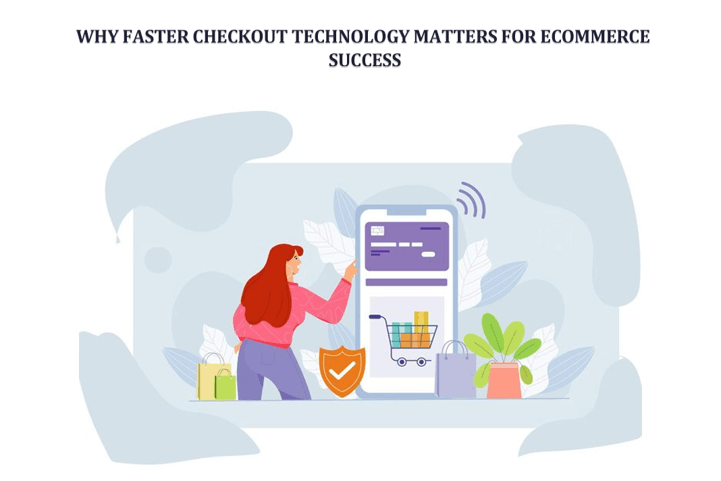
It is at this point that the sale vanishes without a trace. What is the irony? There are a lot of business owners who are obsessed with attracting customers, but they spend a lot less time focusing on improving the last thirty seconds of the purchasing process. However, it is precisely where income is either gained or lost.
Best Marketing Can’t Save a Frustrating Checkout
Imagine a modest apparel firm that invests a significant amount of time and effort into cultivating a following on social media. Their videos have a good performance. Every day, new guests come to visit.
The sales, on the other hand, do not meet expectations. When one investigates analytics in depth, it becomes hard to overlook a certain trend. Dozens of customers make their way to the register. Surprisingly, a multitude of people depart before paying.
The items were in perfect condition in every way. There were no issues identified with the price. Only at the very end did the friction become apparent.
It is easy to underestimate the level of impatience that has developed among internet customers. The people who are waiting for coffee place their orders for groceries. They renew their subscriptions as they are on the train. In the meantime, they are waiting in another checkout line to purchase presents. Instantaneous attention is moved, and the procedure of checking out needs to be at the same rapid pace.
Every Extra Step Has a Cost
When it comes to online shopping, there is a peculiar presumption that shoppers won’t mind making one more click. Then someone else. More severe is the reality. Shoppers need to exert a little bit more effort with each activity. This is a form for shipment. The generation of passwords is there. Some surveys are voluntary but end up becoming obligatory. In a short amount of time, purchasing a straightforward item will seem like applying for a mortgage.
Naturally, no one ever really says it out loud. Suddenly, they go. The checkout process at one electronic store that I followed was streamlined by deleting fields that were not essential and lowering the number of page loads. All of the goods remained in their original form. Prices have not been altered.
The conversion rate increased. Not by a significant margin overnight. However, in a steady manner. On a consistent basis. It wasn’t the showy technology that made the difference. It was a sign of respect for the time of the consumer.
Speed Creates Confidence
When people think of convenience, they often think of quick checkout. That is correct. However, speed also conveys another important message, which is to say, competent. Imagine taking a stroll through two different physical shops.
One of them has a cashier who scans products without any problems, responds to queries with self-assurance, and offers you a receipt in a matter of seconds. Lengthy lines, sluggish systems, and frequent disruptions characterize the alternative.
Among the businesses, which one seems most reliable? Another kind of psychology may be found online. It is possible to infer that the company has made an investment in the customer experience if the checkout process is responsive. Small elements have a far greater impact on perception than many owners often anticipate. Delays of even a few seconds might give rise to a nagging sense of uncertainty.
Is the payment working?
Did my order go through?
Should I refresh the page?
Those insignificant inquiries throw ambiguity into the equation at just the wrong moment.
Impulse Purchases Depend on Momentum
Some purchases are made after a period of weeks of researching. There are plenty who do not. Someone is browsing through their phone when they come upon a product that they were not specifically looking for. A difficulty is resolved by it. They have a grin. They make a purchase. This velocity of passion is quite fragile.
It is remarkable how quickly the impetus is lost when it is interrupted by several pages, registrations that are required, or navigation that is difficult to understand. It has come to my attention that an online business might inadvertently transform exhilaration into uncertainty. It did not become less tempting to purchase the product. The procedure just turned out to be more taxing than everyone had anticipated.
Because of this, tools such as WooCommerce Quick Buy have garnered a lot of attention from retailers who want to reduce the route between interest and payment without requiring consumers to go through any extra roadblocks.
The fewer options there are for consumers to change their minds, the higher the probability that they will go through with the purchase that they had previously planned to make.
Mobile Shoppers Are Even Less Patient
Observe a person working on their phone while they are at a coffee establishment. A beverage is being balanced by them, and they are monitoring the messages. You may try chatting with a buddy. Shopping may be done in the smallest of pauses throughout the day.
Imagine for a moment if you were to require that individual to complete six different checkout screens. All the best! The advent of mobile commerce has dramatically altered people’s expectations. It should be easy to find the buttons. It should be feasible to reduce the amount of typing required by forms. As opposed to being difficult, the various payment alternatives should seem familiar.
A desktop experience can sometimes survive small inconveniences. Mobile rarely forgives them. That’s one reason merchants increasingly look for ways toadd ad Quick Buy Button to WooCommerce Products, helping customers move directly toward payment instead of repeatedly navigating back and forth across product pages. Sometimes one less tap is all it takes.
Faster Doesn’t Mean Rushed
The following is an intriguing misunderstanding that needs to be clarified. Putting pressure on consumers to make purchases is not the goal of a quick checkout. After they have already made their choice, it is about eliminating any barriers that get in their way. That makes a significant impact.
When it comes to filling out paperwork, nobody loves doing it. No one is delighted about the prospect of establishing yet another password that they will forget the following week. Eliminating such obstacles is not an example of manipulation. It is a very considered design. Being in a rush is not the objective here. They must avoid squandering their energy.
Trust Is Built Through Small Moments
On the site where payments are made, trust does not suddenly emerge. It has a low-key construct. Images of the product seem to be authentic. Reviewers have a genuine feeling. Shipping estimates are accurate and reasonable. All of the policies are simple to comprehend.
The checkout process either bolsters that confidence or subtly destroys it throughout the process. For example, you may click the “Pay Now” button and then wait and wait.
Did the website freeze?
Should you click again?
Will you get charged twice?
These few seconds don’t feel like they last nearly as long as they really do. Having a smooth performance eliminates the possibility of such uncertainties occurring in the first place. Although analytics dashboards seldom capture this information directly, shop owners who have been in business for a while have seen it over time.
Customer Loyalty Often Starts at Checkout
When compared to procedures, people tend to recall experiences more. Surprisingly, people seldom applaud a checkout system that is operating without any problems. It is as simple as they return. That is the objective.
Repeat consumers may be produced in a variety of ways, not only via loyalty programs or incentives. They are developed because the act of purchasing is so simple that returning the item becomes the most natural step to take.
Consider your personal purchasing routines and preferences. There are certain websites that you have a tendency to visit again and again. Not necessarily due to the fact that they consistently come with the lowest pricing. Because making purchases there seems to be simple.
Convenience may become a source of competitive advantage. That means a great deal more than just cramming a few more promotional emails into someone’s mailbox over the course of many months or years.
Technology Should Stay Invisible
There is a potential for the finest checkout technology to vanish. The customers should not admire it. Indeed, they shouldn’t even be aware of it. As an alternative, they complete their purchase and instantly return their focus to the aspect of the transaction that is really important to them: the delivery of the goods. That is a fairly difficult goal to accomplish.
A multitude of moving pieces, including payment gateways, fraud prevention, inventory updates, tax computations, shipping regulations, and dozens of other moving parts, are responsible for the efficient operation of every checkout process.
When everything is operating without any problems, nobody is concerned about the technology around them. That is certainly the way that it ought to be. Frequently, the most memorable customer experiences are those that are created by invisible mechanisms.
Conclusion
Fast checkout isn’t just another feature to tick off a development roadmap. The promise that an online business provides to its clients is a component of the total promise. “We value your time.”
Not every product page that a person remembers is the one they visit. The businesses that appreciated their attention, made the process of purchase seem smooth, and delivered without any unwanted friction are the ones that these customers remember.
Simply relying on technology will not result in devoted clients. Excellent items are still important. Pricing that is honest is still important. There is always a need for excellent customer service. However, if consumers are unable to get beyond the last stage, none of these strengths will be able to fulfill their full potential. Sometimes, achieving success does not include persuading more people to go shopping. It is just about making things simpler for those individuals who have already made up their minds that they want to purchase.
Popular on OTW Right Now!



About The Author

Gagan Bhangu
Founder of otechworld.com and managing editor. He is a tech geek, web-developer, and blogger. He holds a master's degree in computer applications and making money online since 2015.
Fast checkout improves sales, while email marketing and SMS marketing keep customers returning. Strong retention strategies create lasting value for every e-commerce business. Thanks for the valuable insights!