
5 Smart Ways to Connect Smart Home Controls with Advanced Visual Monitoring
There was a time when setting up a smart home meant buying a random assortment of Wi-Fi plugs, a standalone video doorbell, and maybe a couple of motorized blinds if you were feeling fancy. You ended up with six different apps on your phone, none of which talked to each other. It wasn’t really an automated ecosystem; it was just a collection of digital chores.
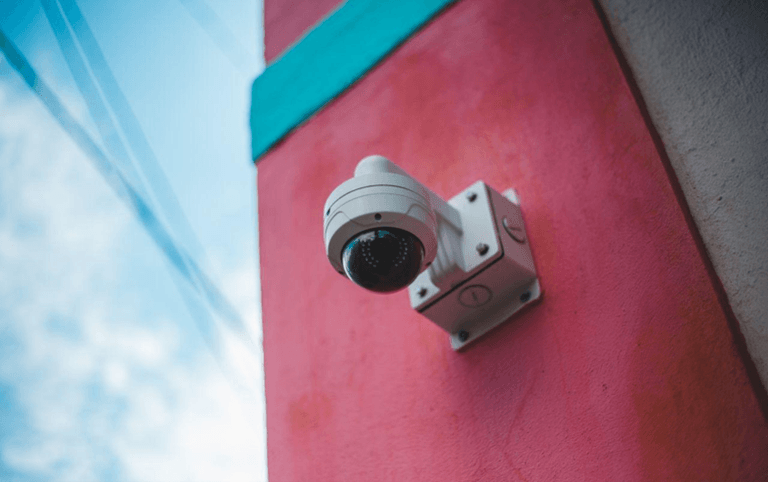
Nowadays, the purpose has changed. The best convenience is integration – that is, binding your environmental controls directly into your visual monitoring network. If your lighting, climate,e and security cameras all work in harmony, your property will be a lot easier to control.
If you are looking to bridge the gap between simple convenience and advanced property oversight, a few strategic integration methods can change how your household functions on a daily basis.
1. Link Ambient Lighting to Camera Motion Sensors
While it’s great to capture what’s going on on your property with an outdoor security camera, nothing works like actively deterring unwanted visitors. You don’t have to wait in the dark for a trespasser to be captured by your camera; instead, you can connect your visual monitoring stream to your smart lighting system.
After midnight, a perimeter camera can automatically illuminate your patio lights to flash or light up when it senses motion. This is a very basic automation trick that will make the property look like it’s occupied at all times, which will help to fool an intruder. This kind of seamless communication with the devices typically involves a professionally set up backend. Working with specialists who understand complex home automation Toronto setups ensures that your sensors, lighting bridges, and cameras sync up flawlessly without lagging or false alarms.
2. Establish High-Definition “Confirmation Visuals” for Smart Locks
Whether it be a delivery man, a dog walker, or a family member who left their keys, smart locks afford you the liberty of opening your front door from afar. Even with an “unlock” button in your office miles away,y it can be a little bit of a shiver.
It would be a more intelligent solution to have a live video feed automatically open on your control panel or smartphone screen when you log in to a smart lock. This forms a swift confirmation loop. You aren’t certain that the door is closed;d, you see the deadbolt click into place – and you let the guest exit safely. The most effective approach for this strategy is to place your cameras at ideal (and uncompromised) angles close to all of your entry points. Investing in a professional security camera installation in Vaughan ensures that your lenses cover these critical blind spots and integrate directly with your locking hardware.
3. Maintain Emergency Financial Agility for System Upgrades
It’s not always a one-time installation to create a fully integrated property network. With the evolution of tech, you may find that you need to replace that old analog camera with an HD PoE camera or a failing hub before it brings the entire automation system down.
Failure of essential hardware equipment can have a devastating impact ifit isn’tt replaced promptly, leaving your home open to danger and disrupting your life. Property owners who have already had experience have a system that is resilient and are prepared for sudden costs and expenses through fast, modern, digital solutions. Relying on flexible online platforms like Lamina allows you to secure emergency funds and get them deposited directly into your account within 1 hour of receiving notification of approval by text message or email. With this quick changeover in place, you won’t have to pause the security of your home with an offline surveillance network or update a central control system, as you can do so immediately.
4. Use Visual Feeds to Adjust Climate Controls Comfortably
While smart thermostats can learn your schedule, they can’t tell who is in the room or building. Connect your home’s interior video monitoring system with your heating, ventilation, and air conditioning system, and you’ll have a much more responsive home.
When, for example, some of the internal cameras of the system detect a large gathering of guests in the living room, the system can adjust the AC accordingly to deal with the increased body heat. When a room is fully vacuumed for more than an hour, the system resets the temperature to eco mode. Saves you from doing trial and error on energy saving.
5. Consolidate Your Controls into Dedicated Physical Hubs
It’s easy to get tired of using a cell phone as your home’s only control system. No one wants to miss out on access to camera controls or lighting when they are out of battery or talking on the phone.
Instead of having these tablets or touch panels scattered around the house, dedicated smart tablets or touch panels can be mounted in specific areas such as the kitchen or master bedroom, altering the entire dynamics. You can see what’s happening on the front gate, turn off the kitchen lights, and double-check if the garage door is open or closed with a quick look at a screen mounted on a wall. It can make your smart home an easy-to-use, centralized control center for everyone in the family.
Popular on OTW Right Now!



About The Author

Gagan Bhangu
Founder of otechworld.com and managing editor. He is a tech geek, web-developer, and blogger. He holds a master's degree in computer applications and making money online since 2015.