
How Brands Are Using AI UGC Ads to Scale Social Campaigns
Brands need fresh content every single day, and that’s not easy. Filming new ads takes time, money, and a lot of coordination. With this, more and more brands are shifting to AI UGC ads to catch up.
AI UGC is also known as AI user-generated content. It appears to be a regular social post, but it’s actually created by AI. No camera crew, no actors, no studio necessary!
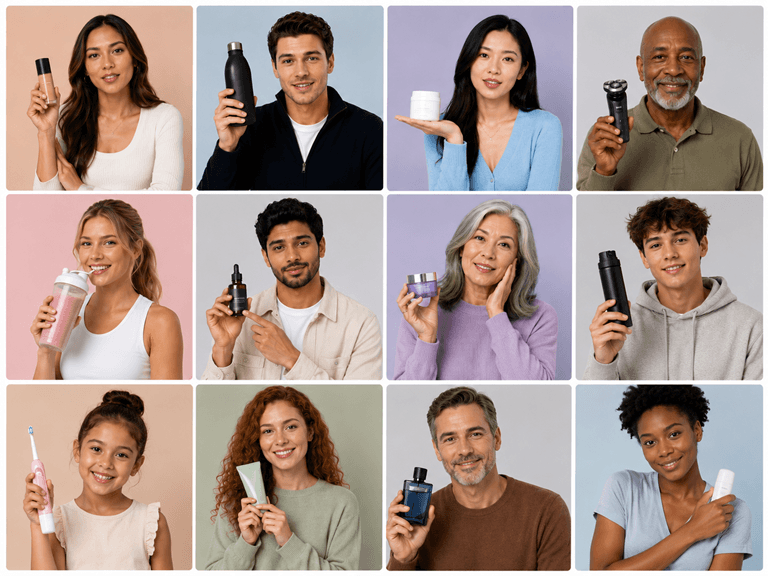
It’s a change that’s impacting the way brands manage their social campaigns, and it’s important to grasp the reason.
What Are AI UGC Ads?
UGC ads are like real people’s content. Come to think of it, it’s like TikTok reviews or Instagram unboxing. They are personal and reliable, and that’s how they do their job.
AI UGC replicates that style, but without the involvement of a human being. Write a script, get an AI-generated video out. It can even leave a virtual avatar to “speak” about your product!
These ads seem to come across as genuine to the audience. But they’re far cheaper – and you can create lots of them in no time.
Why Brands Love This Trend
The primary reason is speed. Previously, brands would have to wait weeks for new content, but now they’re able to receive it within minutes.
Cost matters too. With AI tools, creating content for each campaign becomes much more economical as it saves costs significantly.
Testing is also more convenient. Brands can create 10 different versions of the same ad and determine which one is the best. Time taken to do something that used to take weeks is now hours.
How Brands Use AI UGC in Real Campaigns
Here are some of the most common ways brands are putting this tech to work.
1. Product Reviews and Demos
Brands develop AI avatars that “evaluate” their products. The avatar speaks like a real person, and it appears to be the product; the opinions are voiced, and it’s like a normal review video.
This is particularly appropriate for skincare, tech, or food brands. Despite being generated by Artificial Intelligence, viewers feel they are receiving honest advice.
2. Localized Ads for Global Markets
It’s not easy to go global, since you have to have ads in several languages, and shooting each in a separate location is expensive.
AI UGC doesn’t.AI UGC does. Brands develop one ad, then AI takes it and translates/adapts it for other markets. The avatar can even speak in distinct languages with lip movements, which correspond to the language.
This enables brands to enter new markets in a much quicker time than previously.
3. A/B Testing at Scale
Social ads require ongoing testing, whether it be various hooks, tones, or faces.
This is easy with AI UGC. Brands can produce a variety of different versions, in no time at all, all with different styles and messaging, and then test them all to determine which ones succeed.
This type of testing was once time-consuming and costly. Now it’s quick and inexpensive.
4. Influencer-Style Content Without Influencers
Influencer marketing is effective, but it is costly and difficult to scale.
Recently, some brands have started to develop AI personas as an alternative. These personas are, in the same way,y influencers, post videos in UGC style, le and, over time, create a “personality” online.
Not quite as effective as a real influencer, but provides brands much more control,l and it’s much, much cheaper.
Tools That Make This Possible
This sort of tech was not easily used a few years ago and demanded actual editing talents. It’s now much easier.
Platforms like Magic Hour AI let brands generate AI UGC content fast, with talking avatars, AI face swap, and custom scripts, all without any editing experience needed.
It’s a tool that’s ideally suited for a tight social media workflow. Brands can generate video ideas, produce videos in bulk, and publish them on TikTok, Instagram, and YouTube Shorts. Brands can develop content in bulk, publish on TikTok, Instagram, and YouTube Shorts.
This is one of the many factors behind the rapid adoption of AI UGC. They offer a way for brands of all sizes to access pro-level content.
Is AI UGC Right for Every Brand?
Not always. For some products, such as health supplements or financial services, it’s necessary to have a real person to trust, and people may want to see a face.
However, AI UGC is a fantastic solution for many brands, particularly in the fashion, tech gadgets, apps, and food and drink sectors. The types of content that work well in these categories include fun and rapid content.
The key is balance. Combine some of the content with AI UGC to preserve a human feel to your brand and yet scale quickly.
Tips for Brands Starting With AI UGC
A few simple tips can help you get started on the right foot.
It is best to start small and test out a couple of styles of advertising to see what your audience will respond to. Be natural, it’s all about UGC, so you need to make it feel like it’s real, not too polished.
Include captions; many viewers turn off the audio to watch the videos. Include captions, as many viewers watch videos without sound. Get some fresh content, as it’s easy to produce with AI UGC, and you don’t have to let it get old!
Finally, track performance. Then, closely monitor click-through rate and watch time, and use that information to inform your next content creation.
What’s Next for Brands
AI UGC is still a relatively fresh concept, but it’s advancing rapidly, and early adopters of it will gain the most knowledge.
We can anticipate more brands to create their own AI avatars, which will become a part of their brand, sort of like an “intelligent” version of a mascot. There are more tools expected to add on AI face swap features, which will make it incredibly easy to try on a new look, voice, and style in seconds.
Don’t expect AI UGC to take the place of real content, but rather to complement it. Both will be employed by brands to remain efficient and yet feel human.
Or those brands that take the step now, who will have an advantage. Larger content libraries, more ideation, quicker execution than brands that are still on legacy content workflows.
Even better avatars, voices,s and face swaps will be here in the coming years. Brands that begin to learn this tech now will be prepared for whatever is to come.
Popular on OTW Right Now!
-
 Most Popular AI Visibility Products for SEO: What They Track, What They Miss, and How to Choose
-
How AI Market Analysis Tools Improve Price Forecast Accuracy
-
 What PhotoGPT AI Pose Generator Solves: The One-Shot-to-Many Problem in Ecommerce Photography
-
 2026 Best AI Video Translator: The Ultimate Guide to Free Video Localization


About The Author

Gagan Bhangu
Founder of otechworld.com and managing editor. He is a tech geek, web-developer, and blogger. He holds a master's degree in computer applications and making money online since 2015.