
The Rise of Plant-Based Ingredients in Food Manufacturing
Plant-based foods have transformed from niche dietary choices into a dominant force within the broader food industry. Food manufacturers are quickly adapting to consumer trends by incorporating plant-based ingredients into their everyday products. This dramatic transformation is a result of increasing concerns about personal health, environmental protection, and ethical issues.
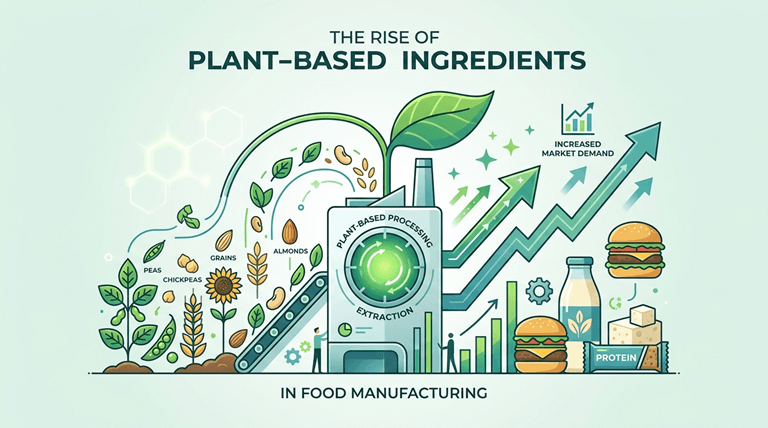
The Plant-Based Revolution: An Overview
One of the most important changes in food production is the shift towards plant-based options. The current wave seems to have been sparked by the strict vegans and vegetarians, but is largely motivated by flexitarians—those who strive to eat less meat and dairy but don’t eliminate them. The behavior change has opened an enormous opportunity for food manufacturers to diversify their product lines and look for different ingredients.
To meet this soaring demand, producers are rethinking their entire supply chains. They are purchasing good quality grains, legumes, seeds,s and nuts for use as the base ingredients in new product formulations. Consequently, the food industry is experiencing a quick change in food science and a considerable amount of investment in food science and development. Manufacturers are working to develop products that not only match animal products’ nutritional content but taste and texture as well — alluring skeptical consumers.
Health and Wellness Drivers of Plant-Based Demand
Consumers are becoming more health-conscious, and they are paying more attention to product labels and nutritional information. For those wishing to make a change in their eating habits, the plant-based option is an attractive proposition.
Nutritional Benefits and Dietary Shifts
One of the main reasons driving the plant-based movement is the desire for improved nutrition. Plant-derived ingredients are rich in essential vitamins, minerals, antioxidants, and dietary fiber. Because of their high nutritional value and also their natural lack of cholesterol, ingredients such as oats, lentils, chickpeas,s and quinoa can be used to make a strong nutrition profile. These natural advantages are used by food producers to create food products that can be consumed by consumers who are trying to control their weight, reduce cardiovascular risks, and prioritize whole foods in their diets. In addition, new food processing technologies enable manufacturers to add other nutrients to plant-based foods that consumers might otherwise be lacking, such as B12 or calcium.
Allergen-Friendly Formulations
One of the other key factors influencing the uptake of plant-based ingredients is the increasing number of people who are experiencing food allergies and intolerances. Some of the most common food allergens worldwide are dairy and eggs. Plant-based alternatives can help open a wider market for the manufacturers who need to find a solution for a big portion of the population that demands allergen-free food. Pea protein, rice flour, and oat milk are ingredients that offer very good functional properties without causing common allergens. Not only does this increase the market for a product, but it also helps to foster brand loyalty in consumers who are having a hard time finding safe, delicious, and convenient food alternatives.
Sustainability and Ethical Considerations
In addition to personal health concerns, today’s consumers are very aware of the implications of their buying choices. The choice of food ingredients is an important aspect of sustainability and ethics.
Environmental Impact of Plant-Based Production
Traditional animal farming has a significant environmental impact, consuming significant resources such as water, land, and energy, and generating significant greenhouse gas emissions. Generally, it takes a lot fewer natural resources to grow plant ingredients as opposed to animal ingredients. For instance, it takes a small fraction of water to grow a pound of lentils as it does to grow a pound of beef. Some of the advantages are highlighted in the marketing of food products by forward-thinking food manufacturers to attract consumers who value environmental issues. Focusing on plant-based ingredients, companies can take proactive steps towards actively decreasing their corporate carbon footprint and conform to global sustainability goals.
Animal Welfare Concerns
Ethical issues related to animals have remained a factor in consumer purchasing decisions. The rise of transparency in the food value chain has caused the truth of factory farming to be brought to the fore. People often choose to buy plant-based goods, particularly because they are concerned for reducing their impact on animal suffering. The growing wave of empathetic consumers with a desire that their food choices align with their personal moral views offers food manufacturers a great opportunity to market their products as cruelty-free.
Innovation in Plant-Based Ingredients
Plant-based food products must provide a pleasing sensory experience to meet the needs of today’s consumer. This need has led to many innovations in the field of ingredient technology and food engineering.
Novel Proteins and Textures
One of the most difficult parts in developing a plant-based alternative, especially a meat and cheese-based product, is to develop the appropriate texture. As the industry continues to seek alternative protein sources such as mung beans, duckweeds,d and certain fungi, to obtain the desired chew and mouthfeel, these new sources are explored as well. Achieving the exact texture often requires specialized manufacturing techniques, such as food-grade size reduction, which ensures that raw botanical materials are milled precisely to blend smoothly into the final product. Extrusion technology is also widely used to form the plant protein into a fibrous form to mimic the meat muscle fiber, which gives a good bite to the product, and consumers do not want to see something that looks any different.
Repeat purchases are all decided by flavor. Many early products made from plants tended to have grassy and bitter notes. In today’s world, flavor houses and scientists are creating sophisticated natural flavors and masking agents to mask off-putting flavors. In addition, other functional ingredients such as potato starches, sunflower lecithin, and coconut oil are used to imitate the melting characteristics of a dairy cheese or beef patty. With a grasp of these complex relationships between flavor and functionality, manufacturers can now create products that can compete with or even outperform traditional products.
Market Growth and Consumer Trends
Plant-based manufacturing is an even better business proposition than ever before, with compelling market data and changing retail trends.
Expanding Product Categories
Plant-based ingredients don’t have to just be in the alternative meat or alternative dairy section. These are quickly taking over the world of baked goods, confectionery, ready-to-eat food, and snacks. Aquafaba (chickpea water) is also helping to create mayonnaise without eggs, and cashew creams are now taking the place of milk for ice creams and pasta sauces. This cross-category expansion means that plant-based ingredients are able to be used as a core element in all types of packaged foods.
The Mainstreaming of Plant-Based Options
Plant-based products have proven to be successful from niche health food stores to mass market supermarkets and the menus of international restaurants. This will make them more accessible to the average consumer, helping to normalize the consumption of plant-based meals and making them a more regular part of their weekly routine. The higher the yields produced, the more economies of scale can be achieved, and the more expensive foods made from plants become cheaper, further promoting their mainstream adoption.
Challenges and Opportunities for Manufacturers
While the momentum is definitely in the positive direction, there are challenges to scaling up plant-based ingredients that manufacturers will need to be mindful of.
Scaling Production and Supply Chains
With a high demand, it becomes difficult to maintain a steady and good quality of raw plant materials. Weather conditions can impact crop yield,s and it can be challenging to source novel ingredients such as a specialized pea protein isolate. The manufacturers need to establish resilient supply chains, sometimes in partnership with farmerss to promote the growing of particular crops. In addition, the process of retrofitting animal and plant production facilities to avoid cross-contamination of products is capital-intensive and requires careful operational planning. Implementing meat processing software can help manufacturers manage production schedules, monitor inventory, maintain traceability, and streamline compliance while operating facilities that handle both conventional and plant-based products.
Regulatory Landscape and Labeling
The food regulatory landscape for plant-based foods is complicated and constantly changing. There are constant discussions amongst manufacturers on the terms to be used on packaging. The traditional agriculture industries often push back against the use of words such as “milk,” “meat,” or “cheese” for products derived from plants. If not followed properly, these labeling laws can lead to costly penalties and rebranding, and need strict compliance and legal supervision to avoid these risks. But it’s a chance for manufacturers to be the first to demonstrate exemplary transparency, creating trust and confidence by delivering clear and easily understandable labels that identify the purity and quality of their products.
Conclusion
The opportunity to produce plant-based ingredients quickly caught on, representing a permanent change in the food manufacturing industry. Consumers have become more health-conscious in their food selections and more highly sustainable, and producers have to continue to innovate and keep up. Adopting novel proteins, enhancing taste and flavor, and optimizing production for scale will be key to a successful product launch in this highly competitive market.
Popular on OTW Right Now!




About The Author

Gagan Bhangu
Founder of otechworld.com and managing editor. He is a tech geek, web-developer, and blogger. He holds a master's degree in computer applications and making money online since 2015.