
5 Ways to Encourage Greater Resident Participation
Introduction
Resident participation is absolutely key to creating a vibrant, engaged community. In senior living, in residential or shared housing, being active is a major contributor to people feeling a sense of belonging, forming relationships, and ultimately enjoying a better quality of life. The more engaged people are and the more they feel they are part of the community, the more likely they are to get involved in the activities, to make friends and to feel like they belong.
Getting the residents involved is more than just planning some activities. It’s about finding out what they’re interested in, making sure they all feel welcome, building real relationships and making sure people feel they are valued and included. If you’re going to have engagement and personal choice at the heart of things, then you can go a long way to increasing levels of involvement, and you end up with a community where people actually want to get involved.
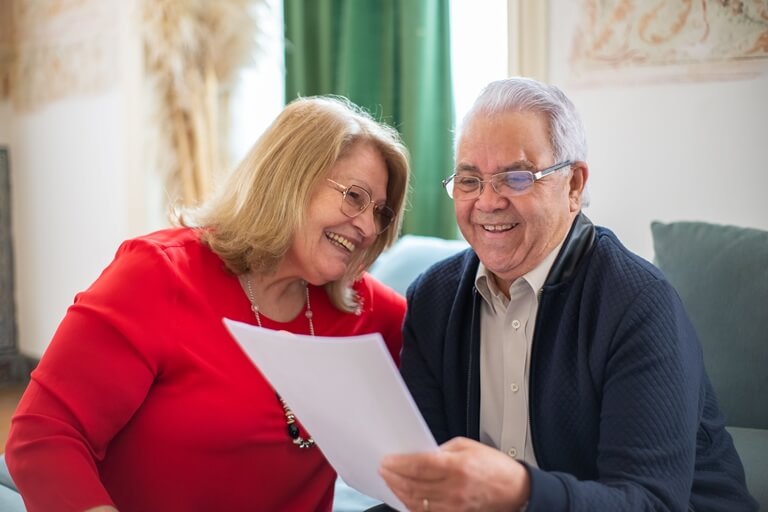
Create Opportunities That Reflect Resident Interests
A great way to get more people involved is to offer activities and programs that suit what the residents like. They’re more likely to get involved if the activities are in line with their own hobbies, interests and aims.
Talk to the residents, run surveys, and get informal feedback to find out what kind of programs will get them excited. Some may be very keen on educational stuff, others may be after creative projects, some may want fitness classes, others still may be after social events or the opportunity to get involved in some form of volunteering.
Communities that are actively checking in with residents to find out what they’re interested in tend to see greater levels of involvement as a result of the activities feeling more relevant. It’s also essential to have a range of activities available as everyone has different interests.
When people see their preferences reflected in the activities and events they’re offered, they feel heard and valued. That sense of ownership can go a long way to increasing engagement and keeping people involved.
Focusing on the needs of the residents means the activities actually feel rewarding rather than like a chore, and that in turn leads to greater involvement over time.
Foster a Welcoming and Inclusive Environment
A welcoming atmosphere makes a huge difference in terms of whether people actually get involved in the activities. A perfectly well-structured program will achieve very little if people don’t feel at home, don’t feel they’re part of it.
Creating an inclusive environment begins with positive interactions and respectful communication. People should feel they are valued and welcome to participate regardless of their background, their interests or their experience.
Helping new residents get involved in the activities and make connections can go a long way toward making their move easier. The more supported they feel from the outset the more likely they are to get involved in the community.
Communities such as College View Manor may emphasize creating an inviting atmosphere where residents have opportunities to connect with others and become involved in programs that enrich daily life.
Being inclusive also means recognizing that participation will look different to different people. Some people will want to be at the big social events; others will prefer a small group or one-to-one. It’s about respecting that difference.
Encourage Resident Input and Leadership
Residents are more likely to get involved when they can help to shape the decisions that are made in their community. Simply asking for their input is a recognition of their views and helps to give them a sense of ownership.
Programs such as suggestion boxes, planning committees, resident councils and discussion groups all give residents a voice in the running of activities and events. They provide the opportunity for people to put forward their ideas, to say what they like and to help shape the community.
Giving people leadership roles can go a long way to increasing engagement. If you’ve got people taking on the role of organizing events, welcoming new members, leading clubs, co-ordinating activities, etc., they’ll often in turn go on to encourage others to get involved.
Offering leadership roles also helps build confidence and a sense of achievement in the residents. A lot of them enjoy the opportunity to share their skills, their knowledge and their experience to help the whole community.
When people know their views matter and that their efforts are appreciated, they’re more likely to remain engaged in the community.
Build Strong Social Connections
Strong relationships are a major reason people get involved. People with good social connections tend to be much more comfortable joining in with things and trying new things, as they know they’ll see their friends and neighbors.
Communities can go a long way to help people build relationships by providing them with the opportunity to interact on a regular basis. Social events, group projects, meals together, classes and the like all provide the opportunity for residents to get to know one another.
Mentorship and buddy schemes are also very good at building links, particularly for the new residents. Matching up the new folk with existing members can lead to a lot of conversation and help them settle in.
Good friendships tend to mean more participation as the residents see the activities as a way of spending time with people they like. They develop a sense of belonging over time.
Having social connections also has a positive effect on our emotional well-being and makes life in general far more enjoyable. The more you get into a friendship, the more you tend to be involved.
Recognize and Celebrate Participation
Recognizing residents can go a long way to keeping them involved. They like to know that their efforts and contributions are being seen and appreciated.
Recognition doesn’t have to be elaborate to be meaningful. A simple ‘thank you’ in an announcement, at an appreciation event, in a newsletter, or just plain old thank-yous can go a long way to encourage greater levels of engagement.
Celebrating the milestones, the achievements and the contributions helps to make people feel that participation is in fact valued rather than just expected. It also provides good examples of what participation looks like.
It’s worth noting all forms of contribution. Some people are the leaders; others are the ones who just show up, do the volunteering, get involved with the events, etc. All of that contributes to a stronger community.
When people feel valued, they tend to get more involved with each other and with the activities themselves. That kind of encouragement can in turn lead to even greater levels of involvement.
Conclusion
To get more resident involvement, you need to be focused on individual interests, inclusivity, resident input, social connection, and meaningful recognition. If you’re going to have a community that is going to be active, then you have to provide opportunities that people actually like, and you have to make it a welcoming place to be. The more people feel they are part of it, the more they will get involved. The key is in the relationships, in the leadership and in the recognition. That’s what will create a vibrant community and that’s what will see residents getting involved in the things that make their lives better.
Popular on OTW Right Now!

About The Author

Gagan Bhangu
Founder of otechworld.com and managing editor. He is a tech geek, web-developer, and blogger. He holds a master's degree in computer applications and making money online since 2015.