
What Every Biotech Startup Should Know About Brand Building
A biotech startup can have remarkable science and still struggle to hold attention. That sounds unfair, but it happens all the time. If buyers, investors, partners, clinicians, or future hires cannot quickly explain what makes you different, they may move on before they ever study the data.
Branding helps close that gap. “77% of B2B marketers say branding is essential for growth.” For a biotech company, that does not mean dressing up weak science with a nice logo. It means giving people a clear reason to trust you, remember you, and understand why your work matters. Build that clarity early, and you avoid a lot of expensive confusion later.
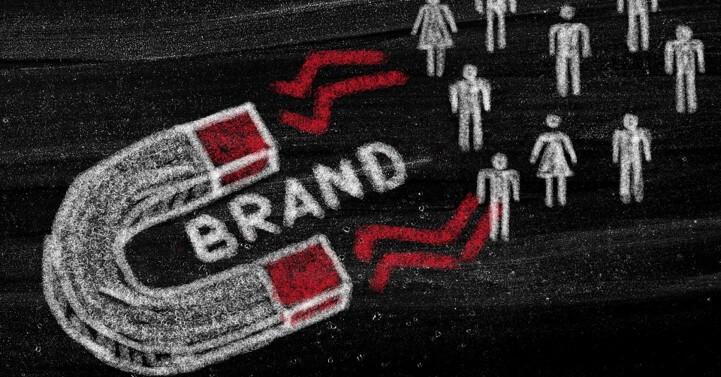
Building a Powerful Identity: Core Elements of Biotech Startup Branding
It’s a challenging environment for biotech startups. The sales process is lengthy. Science is complex. Trust is everything. That’s why brand building is no longer a vanity exercise. It’s a hands-on development tool.
But before you consider campaigns, websites, or conference booths, you should get to know a core identity that people can believe in and repeat without needing to spend 20 minutes explaining.
Crafting a Mission Statement That Resonates
Your mission should relate science to a human or market need. Biotech startup branding is best when the mission is able to answer three simple questions for founders: What problem are you solving? Who benefits? Why is your approach significant for you at this time?
This is where many technical teams get stuck. The science is strong, but the message sounds like it was pulled from a grant application. Early support from a marketing agency for CDMOs can help translate technical depth into clear messaging, practical content plans, and life-science storytelling that still respects scientific accuracy.
Defining Values and Vision
A mission statement is not enough to build a strong brand identity for a biotech company. It also requires values and long-term vision that can be supported by the stakeholders, even before a product is available on the market.
If your team is asking how to build a biotech brand, start by naming what you will not compromise on. Safety. Evidence. Access. Transparency. Ethical research. Those choices shape how people see you before they ever meet your team.
Once that foundation is clear, your visual identity becomes a shortcut for credibility.
Laying the Foundation: Visual Branding Tips for Biotech Startups
Your images are sometimes the initial impression. It can occur in just a few seconds. That could come across as either curious or cautious, on a pitch deck slide, a website hero section, a LinkedIn post, or a conference banner.
The goal is not to look flashy. The goal is to look rigorous, focused, and worth taking seriously.
Designing Logos and Visual Elements
Good design doesn’t have to shout from the rooftops with biotech; it’s often best to be subtle. Streamlined designs, legible fonts, intentional colors, and uniform graphics can give a start-up a sense of professionalism and credibility.
The most useful branding tips for biotech startups are usually simple: build one visual system, apply it everywhere, and avoid generic stock imagery that makes your company look like every other “innovation” brand online.
Developing a Brand Voice for Scientific Innovation
People can see you and identify you when there is consistency in your visuals. Your words provide clues to understand you.
A good brand voice needs to make complicated science digestible but without misleading claims. That balance matters. You don’t want simplistic explanations; you want explanations in plain terms. You need to have confidence, not hype.
Therefore, avoid all the technical jargon if it is not necessary. Individuals remember clear explanations, clear comparisons, and a definite reason to care. If your brand can appear legit and effectively communicate, then you’re prepared to create wider attention.
Essential Biotech Marketing Strategies for Rapid Growth
When your brand appears legitimate and seems comprehensible, you have a genuine task to do: marketing. It should convert your skills to authority, demand, and valuable discussions.
That is where biotech marketing strategies come in. The right strategy helps you move from “interesting science” to “company people want to follow, fund, partner with, or buy from.”
Building Authority Through Content
Authority is not just for the taking! Must demonstrate it. One of the best ways to do that is by way of content.
Embedded in blogs, white papers, infographics, founder essays, technical explainers, and conference recaps, the right people will be able to digest your science before you do. Good content also provides an opportunity for investors and partners to share content internally.
Companies that were able to create a consistent and professional brand image received funding 27% quicker than companies with a lack of consistency or a poor brand image. That’s a good reminder, guys, ys that it’s not a side project;ct, it’s content and identity. They can help to tell the story of funding.
Choosing Channels and Partnerships
Content builds trust over time. Channels create reach.
You can use LinkedIn, X, YouTube, partner webinars, industry newsletters, and more. The key is to select locations where your audience is, and where they would be, if they were not prevented from going. Yep, this seems like a no-brainer, but many start-ups are still posting everywhere and engaging with virtually no one. If you’re having a hard time building trust, you can also utilize strategic partnerships to gain it. People tend to listen more quickly when their right hand is beside them.
Branding in a Regulated Environment: Compliance Meets Creativity
Partnerships can accelerate awareness, but biotech visibility comes with responsibility. A message that sounds exciting in a brainstorm can become risky once it reaches the market.
That is why compliance should be part of your brand system from the beginning. Do not bolt it on later like a warning sticker.
Keeping Claims Clear and Careful
Don’t worry, regulation doesn’t imply tedious messaging. It is possible to be memorable, even if you don’t think you can. State the problem in a very clear manner. Explain the scientific principles you used in your solution. State the development stage you are in. Remember, don’t make promises that you can’t keep.
Caring doesn’t have to be dull. It’s just that your confidence is substantiated by evidence.
Creating Materials People Can Trust
The language used in investor decks, Web pages, press releases, conference handouts, and sales materials should all be uniform. Claims, disclaimers, the data, and visuals require a review before they are released.
That consistency protects trust. It also saves your team from cleaning up mixed messages later, which nobody enjoys.
Digital Presence That Converts: Website, UX, and Lead Generation
While compliance helps to ensure credibility, it can also create a sense of caution in the message if not designed around it. It’s essential that you be both conscious and persuasive online.
A good website shouldn’t “exist. It should help to convert leads into meetings, demos, partnership inquiries, investor conversations, or qualified leads.
Building a Credible Website
A web page is usually the place where you will be judged for credibility. Visitors are looking to get answers ASAP. What do you do? Who is the CEO of the company? How do you know? How can you show that? What area are you in need of help with? What are the ways in which people can reach out to you?
People are judging if they should continue to read by looking at the clarity of product pages, pipeline visuals, leadership bios, publications, investor information, and contact information.
Using Data to Improve Decisions
CRM systems, email platforms, analytics, and form tracking are able to tell you what is relevant to people. They show where prospective visitors go, and where they go but don’t show up.
That is how brand building for biotech companies becomes less of a guessing game. Data turns brand work into a repeatable system you can explain to leadership, investors, and your own team.
Scaling Up: Funding, Acquisition, and Brand Equity
As your business expands, it’s logical that the degree of branding becomes more measurable. No longer are you simply trying to look put together. Your aim is to make a name for yourself over time, build trust, and create market recall.
Sustainable brand building for biotech companies means paying attention to how people talk about you when you are not in the room.
Measuring Brand Strength
Consider share of voice, search volume, sentiment, event engagement, media coverage, and inbound inquiries. Do you think that the right people are locating you? Do they speak your terms? Are they aware of your position?
When your audience can clearly repeat back what you have said, your brand is off to a good start.
Preparing for Funding or Acquisition
There are benefits in being clear — not just in fundraising but in mergers, too. An investor deck that has a focus, a compelling story, a clear media kit, and solid proof points can help make your company more easily assessable.
But before you go big, it’s important to first tackle the subtle errors that can undermine good young biotech companies.
Avoiding Pitfalls: Common Branding Mistakes By Biotech Startups
Many biotech startups over-focus on data and under-communicate the human impact. The data matters, of course. But strong biotech startup branding connects that data to people, urgency, change, and a reason to believe.
Beating the “Science-Only” Bias
While there are features, there is more to it than the features. Describe what would occur if your science works. Who gains time? Who gains clarity? What is made simpler, safer, faster, or more possible?
This is what people will remember.
Communicating Through Setbacks
Failure is a part of biotech. They don’t necessarily destroy a brand. Confusion and/or inconsistencies in communication do much more harm.
If there are delays in funding or changes of course, or if a trial is run, make it clear. State what has changed, what is still the same, and what is happening now. Hard news is easier to deal with than vague news.
Future-Forward Brand Building: Trends for Innovative Biotech Startups
The next wave of biotech marketing strategies will likely feel more personal, transparent, and values-led. Still, the fundamentals will not disappear. Clarity, proof, and consistency will keep doing the heavy lifting.
AI and Personalization
AI can also better personalise outreach efforts, help you discover what themes you need to be targeted on,n and read the buyer signals more quickly. When used properly, it can save time and help to make decisions more precise.
Avoid, however, sounding robotic when using automation. There must still be scientific integrity that leads the way. Your brand has to sound like a team of people – not a machine that is going to go all clever on you.
Sustainability, Diversity, and Data Transparency
When these principles of ESG, inclusive hiring, patient access, and responsible data practices are followed through to their actionable outcomes, they can truly make your brand. Additionally, blockchain and the ability to trace data audibly could help create a sense of trust in which verification is important.
There are some great new tools for trusts to use, but most teams still have some practical branding questions to answer.
Common Questions Biotech Startup Teams Ask
Emerging trust technologies are powerful, but founders and marketers still have to make everyday decisions about budgets, channels, timing, compliance, and ROI. Here are a few common ones.
1. What are the most cost-effective branding moves?
Begin with a website that is focused, a simple visual system, positioning, and messaging. Don’t need to have a huge campaign on the first day. Good early branding ensures that investors, partners, and people who join you find it easier to repeat your story.
2. How can a biotech startup stand out?
Differentiation comes from a sharp problem statement, clear science, credible proof, and a human reason to care. If your team is revisiting how to build a biotech brand, begin by removing vague claims and naming your strongest edge.
3. When should startups invest in professional branding?
Invest before major funding conversations, partnership outreach, conference pushes, or hiring waves. Waiting too long usually creates rework. Focused branding tips for biotech startups can keep scattered messaging from becoming your default public image.
Final Thoughts on Building a Biotech Brand That Lasts
It’s not about concealing the science with a great biotech brand. It enhances awareness of the importance of science in society.
Your mission, values, voice, and visuals should be your starting point. Then, create content, partnerships, digital tools,s and compliant messaging off that base. When you are short of time, organization, or an independent point of view, partner with a specialist that knows the life science buyer.
The science you have could be complicated. Your brand SHOULD NOT be. Be clear, believable, and memorable.
Popular on OTW Right Now!
-
 How Much Home Battery Storage Do You Actually Need? Here’s How to Size It
-
 Future-Proofing Shopping Bags: How Thermal Lamination Film Combines Longevity and Eco-Consciousness
-
 How to Find Original Sources Behind Viral Stories
-
 How Alberta Family Courts Handle Child Custody and Parenting Arrangements in Calgary Relocation Cases



About The Author

Gagan Bhangu
Founder of otechworld.com and managing editor. He is a tech geek, web-developer, and blogger. He holds a master's degree in computer applications and making money online since 2015.