
The Repair Records That Can Strengthen a Lemon Law Claim
A vehicle that keeps returning to the repair shop often builds a quiet story through paperwork, service notes, and repeated complaints that most owners only notice later when problems refuse to go away. Each visit adds another layer of information that can show how long an issue has existed and how many times it has been addressed without success. Over time, these records become more important than the mechanical problem itself because they reflect how the situation unfolded.
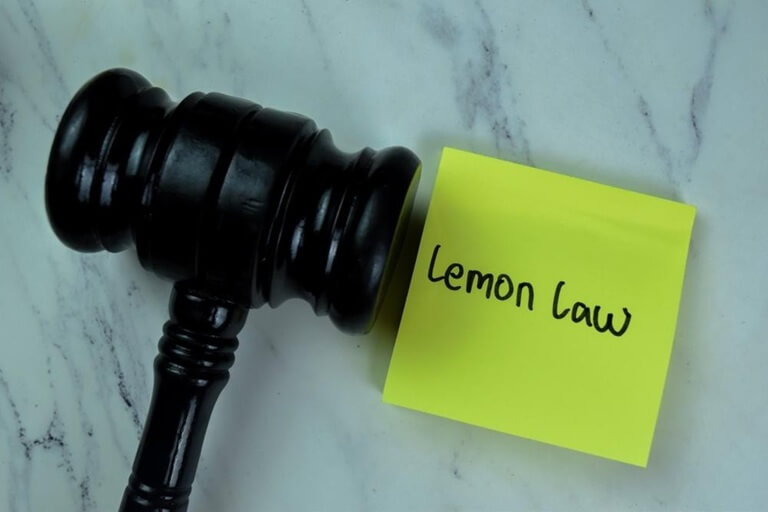
Vehicle owners begin to understand this only when they try to qualify for a lemon law claim and realize how much it depends on documentation. It’s recommended to review records early and understand how they support a case when trying to qualify for a claim, so nothing important is missed during the process.
This blog will discuss the interaction between all the repair records and why it can strengthen a lemon law claim.
Service and repair orders from the dealership
Typically, the most important documents in a lemon law case are the service and repair orders. Each time a vehicle visits a dealership or repair shop, a record is made. A record of that shows what problem was reported, what inspections were made,e and what repairs were attempted. It also contains information such as mileage, repair dates, and repairer notes, which allows building a comprehensive history of the problem.
These records are important for making a strong claim – a good claim is one that is consistent across visits. If the problem occurs repeatedly in different repair orders, it indicates that the problem has not been completely resolved. These records are particularly vital as they offer clear evidence of the repair record, rather than relying on memory or verbal communications.
Warranty repair documentation
Warranty repair records provide further evidence. They demonstrate that the dealer or manufacturer is aware of the problem and is covered by the warranty. These documents typically contain replaced parts, diagnostic work,k and repair approvals related to the defect.
When a vehicle comes back over and over for warranty work on the same fault, it will be easier to demonstrate that the fault is recurring and not just a simple breakdown. Also, this type of documentation must help link the defect to the manufacturer’s responsibility. When multiple repair attempts fail to make the claim better, it can enhance the overall claim.
Written complaint history from the vehicle owner
Owner’s written complaints, email,l s/Services Requests help to complete the service schedule between service visits. These records reflect the first appearance of these issues and their descriptions over time. These can also be concerns or signs that may not be documented in technical repair reports.
If the problem has been reported consistently, it will reflect that the owner did not ignore the problem. They can also assist with dealership repair orders by providing additional information regarding the reasons for the vehicle’s return for service.
Repair attempt frequency and pattern evidence
A key factor in lemon law cases is how many times the repair is attempted and whether or not it is done successfully. Defects are frequently found to be untouched after repeated repairs.
A strong set of records usually shows:
- Several visits when there is the same mechanical or electrical issue.
- Short time between repairs.
- Several attempts to repair are not enough, no long-term solution.
- The same symptoms are occurring again after repairs have been made.
This pattern is useful in demonstrating that the problem is not a one-off but instead has a continuous nature. Another important element that is often relied upon to satisfy the lemon law is repeated repair attempts, as they indicate that the defect persisted over time.
Vehicle downtime and shop duration records
The duration of the time spent at the repair shop is also a factor. Typical repair visits contain information on the duration of the vehicle’s out-of-service times and if delays occurred.
Having a vehicle in the shop for extended periods or frequent inability to be used for regular driving increases the weight of the claim. These records can clarify the impact of the defect on reliability and in everyday life. Several extended repair visits can provide a better understanding of the persistent issues that failed to be adequately addressed.
Third-party repair and inspection reports
When a dealership’s repair efforts don’t fully resolve the problem, an independent inspection can offer additional assistance. These are outside mechanics’ or inspection professionals’ reports that are based on the inspection of the vehicle in an independent manner.
Often, they will identify “old” defects or defects that have not been adequately fixed in earlier repairs. Findings by independent parties that agree with repair details from dealerships and previous complaints add to the evidence that supports the claim. This third-party inspection can also demonstrate that the problem did not just occur on one repair visit or service center.
Conclusion
Repair records form the foundation of any strong lemon law claim because they show the full history of a vehicle’s issues in a structured and factual way. All of the above provide a complete picture of the situation, from service records to warranty repairs, written complaints, and even repeated repair attempts.
These documents are easier to prove that the defect was not corrected or that it was corrected but did not continue if they remain consistent and detailed. Evidence that is well-documented can also provide a better understanding of the vehicle and assist in the claim process.
Popular on OTW Right Now!



About The Author

Gagan Bhangu
Founder of otechworld.com and managing editor. He is a tech geek, web-developer, and blogger. He holds a master's degree in computer applications and making money online since 2015.