
Signs Your Home Might Be Crying Out for New Exterior Siding
Here’s something most homeowners don’t think about until it’s too late: your siding is doing a lot of heavy lifting every single day. It helps keep moisture out of your walls, supports your home’s energy efficiency, and plays a major role in how your property looks from the street.
When siding starts to fail, the effects can show up in higher energy bills, hidden moisture damage, ongoing repairs, and declining curb appeal. That exterior appearance can also affect resale value. According to Zonda’s Cost vs. Value report, fiber-cement siding replacement recouped 113.7% of its cost at resale, while vinyl siding replacement recouped 96.5%, showing how strongly exterior improvements can contribute to a home’s perceived value.
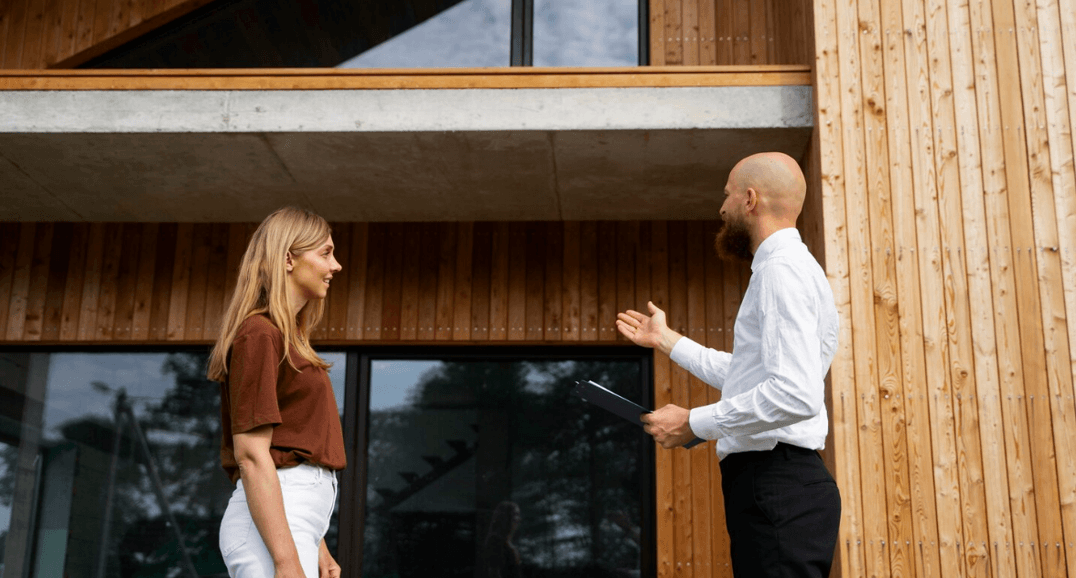
So let’s walk through the warning signs to look for, what siding replacement may cost, and how to know when it makes more sense to replace your siding instead of continuing to patch it.
Siding Value and Cost Resource
Catching siding problems early can help protect your home’s value and prevent minor damage from turning into more expensive repairs. Regular inspections also give you more time to plan for replacement before the problem becomes urgent.
Catching the warning signs early isn’t just smart maintenance. It can also be a sound financial strategy.
When Home Siding Replacement Becomes the Better Choice
If you’re already noticing things that don’t look right, reaching out to siding replacement contractors near me for a professional walk-through assessment can be a smart first step. Many contractors will evaluate your home’s exterior and explain whether repairs are still practical or whether replacement makes more financial sense.
For a solid baseline on what the full process looks like, review your options for home siding replacement.
When It’s Time to Call in the Professionals
Some signs are too serious to monitor casually. Rot, persistent mold, pest infiltration, or widespread warping warrant a professional inspection rather than a wait-and-see approach.
For homeowners planning exterior improvements in 2026, contractor involvement remains particularly important when problems extend beyond cosmetic siding damage.
A Nationwide homeowner report found that 81% of homeowners hire contractors for siding replacement rather than attempting the work themselves.
The risks of delaying serious siding repairs can stack up quickly, potentially leading to structural deterioration, moisture damage, mold growth, or larger repair costs.
How to Actually Vet a Contractor
Finding siding replacement contractors near me takes seconds online. Finding one you can actually trust takes more effort.
Before hiring someone:
- Confirm proper licensing and insurance.
- Read recent reviews across multiple platforms.
- Ask for references from completed projects.
- Request examples of similar siding installations.
- Check whether the contractor holds relevant manufacturer certifications.
- Compare written estimates instead of relying on verbal pricing.
- Review labor and material warranties carefully.
Manufacturer certifications can be particularly useful because they may indicate additional product training and can sometimes affect the warranty coverage available with the installation.
Questions Worth Asking Before You Sign Anything
Before signing a siding contract, ask:
- How much experience do you have with this specific siding material?
- What exactly does the warranty cover?
- What isn’t covered by the warranty?
- How will unexpected substrate damage be handled?
- Who is responsible for permits?
- Will you remove and dispose of the existing siding?
- What happens if the project takes longer than expected?
- Who will supervise the installation?
- How will additional costs be approved?
A reputable contractor should be able to answer these questions clearly and put important commitments in writing.
The Warning Signs You Shouldn’t Ignore
Some siding problems announce themselves loudly. Others whisper until suddenly they’re screaming, and by then, you’re dealing with a much bigger repair bill.
Getting ahead of these problems can help you avoid more extensive damage.
The Obvious Stuff: Surface Damage You Can See From the Street
Rot. Cracks. Warping. Holes.
If you’re poking at panels and they feel soft, or you’re noticing edges that look crumbled, that’s not simply a cosmetic problem. It may indicate deeper structural deterioration.
Minor spot repairs might stretch your timeline by a season, but if you’re patching the same areas year after year, full replacement may already be the smarter financial decision.
Your Energy Bills Keep Climbing, and You Can’t Figure Out Why
This one sneaks up on people. Damaged siding can compromise your home’s thermal envelope, forcing your HVAC system to work harder to maintain comfortable indoor temperatures.
If your heating and cooling costs have drifted upward without an obvious trigger, failing siding could be one of the contributing factors.
Mold, Mildew, or That Persistent Musty Smell
Where moisture finds a way in, it rarely travels alone. Moisture can create ideal conditions for mold and mildew, not just on visible surfaces but also deeper inside wall cavities where you can’t easily see it.
If mold or mildew keeps reappearing even after you clean it, you may be dealing with moisture infiltration rather than a simple surface problem.
Paint That Blisters, Peels, or Fades Unevenly
You might think this is a painting problem. It usually isn’t.
When paint on exterior surfaces starts blistering, peeling in patches, or fading unevenly, moisture may already be working beneath the siding. Simply repainting the affected area won’t address the underlying problem if siding failure is responsible.
Pests Moving In Where They Shouldn’t
Soft or compromised areas around your siding can provide entry points for carpenter ants, termites, rodents, and other pests.
If you’re finding evidence of infestations near exterior walls, check whether deteriorated siding, gaps, or moisture damage could be providing access.
You’re Scheduling Repairs Every Single Season
At some point, the math stops working in your favor.
If you’re calling someone every few months to patch another damaged area, consider comparing the accumulated cost of those repairs with the cost of replacement. Repeated repairs can eventually become more expensive and less practical than addressing the full siding system.
The Sneaky Signs That Hide Beneath the Surface
Some of the worst siding problems are the ones you don’t see at first glance. They’re subtle enough to overlook until they’ve caused real damage.
Panels That Bow, Ripple, or Feel Loose
Walk your home’s perimeter slowly and inspect the panels from different angles. Press gently against suspicious areas.
Watch for panels that:
- Bow outward
- Ripple or buckle
- Shift under light pressure
- Pull away from neighboring panels
- Appears uneven compared with surrounding siding
Warping or movement may indicate that moisture or structural problems have developed behind the visible siding.
Drafts Inside Rooms With Closed Windows
A musty smell near exterior walls or a noticeable draft in a room, even when the windows and doors are closed, can indicate that outside air is finding its way inside.
Gaps around siding, trim, windows, or other exterior components can work against both indoor comfort and energy efficiency.
Caulk That’s Cracked, Shrunken, or Simply Gone
Old, deteriorated caulking around windows, doors, and panel seams is one of the most overlooked potential entry points for water.
During an exterior inspection, look for caulk that is:
- Cracked
- Pulling away from the surface
- Missing in sections
- Brittle or deteriorated
- Leaving visible gaps
It’s a relatively small detail that can contribute to significant moisture problems over time.
What Does Home Siding Replacement Actually Cost?
Fair question, and one worth answering honestly.
The home siding replacement cost you’ll encounter depends on several factors:
- The material you choose
- Your home’s size and design
- The condition of the existing structure
- Labor rates in your region
- Removal and disposal requirements
- Repairs needed before installation begins
Getting multiple estimates in advance isn’t just helpful. It’s important for understanding your realistic project budget and avoiding surprises once work begins.
Breaking Down Material Costs
Vinyl tends to be the more budget-friendly entry point, while fiber cement and engineered wood typically come in at higher price points.
Typical cost ranges include:
- Standard vinyl: $3 to $7 per square foot, with an estimated lifespan of 20 to 30 years and relatively low maintenance.
- Insulated vinyl: $4 to $9 per square foot, with an estimated lifespan of 25 to 35 years and low maintenance.
- Fiber cement: $6 to $13 per square foot, with an estimated lifespan of 30 to 50 years and moderate maintenance.
- Engineered wood: $7 to $12 per square foot, with an estimated lifespan of 20 to 30 years and moderate maintenance.
If your existing substrate needs repair before new siding can be installed, expect those repairs to add to the overall project cost.
Finding the Best Vinyl Siding Replacement Options
For homeowners who want durability without demanding maintenance requirements, many of the best vinyl siding replacement products now offer features designed to improve performance and appearance.
Depending on the product, these may include:
- Insulated panels for improved thermal performance
- UV-resistant finishes designed to reduce fading
- Woodgrain textures that create a more traditional appearance
- Improved locking systems for better weather resistance
- A wider selection of colors and profiles
The best option ultimately depends on your climate, budget, maintenance preferences, and the architectural style of your home.
Vinyl Siding Installation Cost Per Square Foot: The Real Numbers
Vinyl siding installation cost per square foot generally falls between $3 and $9 for standard panels. Premium or insulated options can exceed $10 per square foot.
For an average 1,500-square-foot home, total project costs can fall somewhere between $6,000 and $15,000, depending on installation complexity, material selection, and what contractors discover beneath the existing siding.
Local Contractor vs. National Chain: Which Is Worth It?
A local house siding company can offer several practical advantages.
Local contractors typically understand regional climate patterns, common housing styles, permitting expectations, and weather-related siding problems in your area. They may also be able to respond more quickly when questions or problems arise during the project.
National companies can offer advantages of their own, such as standardized processes, broader service networks, and established financing options.
Rather than choosing solely based on company size, compare contractors based on:
- Licensing and insurance
- Installation experience
- Manufacturer certifications
- Recent customer reviews
- Warranty coverage
- Written project scope
- Responsiveness
- Local references
Modern Siding: Smarter, Greener, and More Impressive Than You’d Expect
If you haven’t looked at siding options recently, you might be surprised by how far the category has evolved.
Today’s market includes options such as insulated vinyl systems, products incorporating recycled content, improved moisture-management features, and siding designed for greater impact resistance.
Homeowners also have more design flexibility than before. Bold color palettes, mixed textures, vertical siding, contrasting trim, and architectural paneling can create a more distinctive exterior without requiring a complete structural redesign.
On the durability side, newer products may feature:
- Improved impact resistance
- Tighter locking systems
- Better moisture management
- UV-resistant finishes
- Insulated configurations
- Low-maintenance surfaces
The best vinyl siding replacement choice isn’t simply the product with the longest feature list. It should match your home’s climate, exposure, design, maintenance expectations, and budget.
Your Starting Point: A Practical Action Plan
Walk around your home’s exterior at least every spring and fall.
During each inspection:
- Look for soft spots, cracks, gaps, and loose panels.
- Check for mold, mildew, or unusual discoloration.
- Inspect caulking around windows and doors.
- Look for peeling, blistering, or uneven exterior paint.
- Check whether panels are bowing or pulling away.
- Take photos of anything new or suspicious.
- Compare new photos with earlier inspections to track changes.
That documentation can become useful when you bring in a professional for a formal assessment.
Once you have professional eyes on the situation, partner with your local house siding company to build a realistic timeline and finalize your material choices.
Make sure the written agreement clearly covers:
- Total project cost
- Scope of work
- Materials and product specifications
- Removal and disposal
- Repair procedures
- Project timeline
- Payment schedule
- Labor warranty
- Manufacturer warranty
The Bottom Line
Your siding takes a beating every single day from rain, wind, UV exposure, temperature changes, moisture, and pests. When it starts to fail, everything behind it becomes more vulnerable.
Don’t wait until minor warning signs turn into major structural repairs. Inspect your exterior regularly, document changes, compare repair and replacement costs, and bring in a qualified professional when you notice widespread or recurring problems.
Taking action while the problem is still manageable can help protect both your home and your long-term investment.
Quick Answers to Questions Homeowners Ask Most
How Often Should Siding Actually Be Replaced?
Most materials last approximately 20 to 40 years, depending on the siding type, installation quality, maintenance, and local climate conditions. Regular inspections can help you identify deterioration before small problems become larger ones.
How Do I Know When Vinyl Siding Needs Replacing?
Look for persistent fading, warping, cracking, loose panels, soft areas, moisture problems, or repeated repairs. If problems are appearing across multiple areas of your exterior, replacement may make more financial sense than continuing with isolated fixes.
What’s a Realistic Budget for a Full Replacement?
Home siding replacement cost for many homes can fall between $6,000 and $20,000 depending on material, regional labor rates, square footage, installation complexity, and required structural repairs.
Getting several detailed quotes is one of the best ways to establish an accurate budget for your specific home.
Popular on OTW Right Now!




About The Author

Gagan Bhangu
Founder of otechworld.com and managing editor. He is a tech geek, web-developer, and blogger. He holds a master's degree in computer applications and making money online since 2015.