
Natural Remedies and Self Care Tips for Easing Kratom Withdrawal Symptoms
Kratom has become popular as a natural compound that is consumed by some individuals to alleviate pain, increase energy, or uplift the mood. Nevertheless, physical dependence can be developed due to regular or prolonged use, and quitting can be hard without withdrawal. The degree of withdrawal depends on how long the person has been using it, their dosage, and their health. Supportive and natural methods of relieving discomfort, but allowing the body to heal, are sought by many. So what are the symptoms of kratom withdrawal? They are a significant consideration in the process of recovery, and comprehending them is the first step in ensuring the safety of this process. A healthy way of living, paired with adequate self-care, can contribute to mitigating symptoms and enhancing well-being throughout this difficult time.
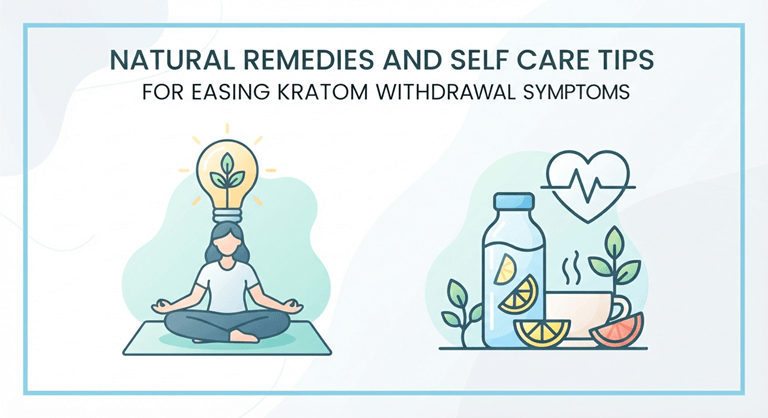
Stay Hydrated and Nourish the Body
Proper hydration and nutrition are some of the most crucial things when it comes to the process of getting better after kratom withdrawal. The withdrawal process can regularly result in excessive perspiration, stomach disturbance, and lack of appetite, which may result in dehydration and loss of nutrients. Consuming a lot of water during the day helps in keeping the normal body functions going and replacing the lost fluid. Moderated intake of beverages containing electrolytes might also correct mineral balance. Proper dieting by consuming food rich in lean protein, whole grains, fruits, vegetables, and healthy fats supplies the human body with the energy and nutrients to heal. Frequent small meals might be easier to digest in case of anorexia, and food rich in vitamins might come in handy to boost the immune system and the overall recovery process.
Get better sleep by relaxing.
One of the most frequent difficulties throughout withdrawal is sleep disturbances that cause the body and mind to be unable to recuperate. It will be beneficial to develop a regular sleep schedule to achieve better sleep in the future. Setting screen time limits before going to sleep, ensuring the bedroom is comfortable without distractions, and having a regular bedtime are ways of promoting healthy sleep habits. One of the relaxation methods to eliminate stress before sleep can be through deep breathing exercises coupled with gentle stretching, meditating, or listening to soothing music. Herbal tea, like chamomile,e is also useful to some people in promoting relaxation. Though not all inmates of natural approaches can provide instant effects, having good habits of sleeping regularly tends to result in slow, successive enhancement along the healing process.
Light Activity and Relaxation
Exercise would also help a lot in relieving withdrawal symptoms, as it promotes endorphin release, which automatically makes a person feel better and less pain. Exercising exercises are not required to be strenuous. Light stretching, swimming, walking, or yoga can help to increase body circulation, diminish muscle tension, and enhance general energy levels without imposing undue stress on the body. Outdoor activities can also lead to emotional wellness through exposure to fresh air and natural sunshine.
Supporting Ways and Daily Habits
Natural herbal remedies are an alternative that is the focus of the recovery plan of many people, who should, however, exercise care and consult a healthcare professional when needed. Ginger can be used to relieve nausea, and peppermint can relieve digestive discomfort in some cases. Depending on the recommendation of a healthcare provider, magnesium-rich foods or supplements may be beneficial for muscle relaxation. Setting up a regular everyday regimen helps in emotional stability, too. To have a schedule of eating, working out, resting, and sleeping gives one a sense of normalcy and a sense of purpose. By ensuring that you do not consume too much caffeine, alcohol, or all the other things that can disorient the healing process, you will enhance the system’s ability to heal while reducing unnecessary burden on the nervous system.
Extended Emotional Support and Guidance
This kind of withdrawal has impacts both physically and emotionally, and thus can be highly supportive with the help of a person one trusts. By chatting to loved ones or close friends, one can feel less isolated and get encouraged when having hard times. In-person or online support groups also enable people to find others who share in their experience and have practical coping techniques to share. This may also be aided by counseling or therapy to overcome anxiety, depression, or emotional issues that may occur in the recovery process. Withdrawal may become very severe, and healthcare professionals will be able to estimate symptoms, prescribe relevant therapies, and follow up. Help is an act of power and, in most cases,s increases the likelihood of achieving long-term recovery.
Popular on OTW Right Now!


About The Author

Gagan Bhangu
Founder of otechworld.com and managing editor. He is a tech geek, web-developer, and blogger. He holds a master's degree in computer applications and making money online since 2015.