
How AI Is Transforming Interior and Exterior Design
The world of design is undergoing a profound transformation, thanks to the rapid advancement of artificial intelligence (AI). From conceptualizing interiors to visualizing entire building exteriors, AI-powered tools are reshaping how designers, architects, and even homeowners approach creative projects. What once required extensive manual effort, technical expertise, and long timelines can now be achieved faster, smarter, and often with greater precision.
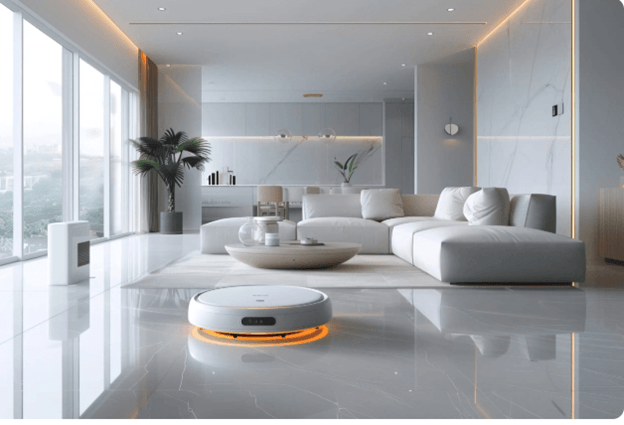
This paper will discuss the ways AI is transforming interior and exterior design, the advantages of AI, and how you can use these tools to develop beautiful, practical spaces.
The Rise of AI in Design
Artificial intelligence has entered almost all spheres of industry, and design cannot be an exception. Using large collections of design trends, architectural styles, color preferences, and user preferences, AI tools can create highly individual design recommendations.
AI can give you immediate inspiration and practical ideas, whether it is the redesign of your living room or the exterior of a new home. Free AI can give you immediate inspiration and practical ideas, whether it is the redesign of your living room or the exterior of a new home. Machine learning-driven tools may take user inputs, including room dimensions, desired styles, or budget constraints, and use machine learning to create design concepts that fit the specified constraints.
AI in Interior Design
The design of interiors has always demanded creativity, a sense of space, and technicality. Nowadays, AI automates this process a lot.
One of the most popular applications is Room design ai, which allows users to upload images of their space and receive design suggestions in seconds. These tools can recommend furniture placement, color schemes, lighting setups, and decor elements tailored to your preferences.
Key Benefits of AI Interior Design Tools
- Speed and Efficiency
AI is able to produce various design ideas in a few minutes. What once required days to plan can now be accomplished almost immediately. - Personalization
Using your inputs and your preferences, AI brings out designs that are specific to your own taste, be it modern minimalism, rustic charm, or industrial. - Cost Savings
It can be costly to get a professional designer. AI devices are a cheaper solution but capable of delivering quality results. - Visualization
AI-based applications usually have 3D rendering features that enable users to have a preview of what a room will look like prior to the implementation of any modifications.
Practical Use Cases
- Redesigning a living room or bedroom.
- Trying out various arrangements of furniture.
- Checking color combinations prior to paint.
- Designing renovations without the employment of a designer.
AI in Exterior Design
Whereas interior design is concerned with individual spaces, exterior design creates initial impressions. The AI is currently becoming instrumental in aiding users to visualize and plan outdoor aesthetics.
Using tools like ai exterior design, users can experiment with building facades, landscaping ideas, roofing styles, and more. These tools analyze architectural trends and environmental factors to suggest designs that are both visually appealing and practical.
Advantages of AI Exterior Design
- Enhanced Curb Appeal
AI may propose exterior designs that are either in line with current trends or traditional designs to enhance the overall appearance of a property. - Better Planning
AI aids users in planning all the details of the outdoor areas, including driveway configurations and garden designs. - Realistic Simulations
Advanced rendering enables one to see the appearance of a building in varied lighting conditions or in various seasons. - Sustainability Insights
Other AI tools suggest materials that are environmentally friendly and energy-efficient constructions, and can assist users in making eco-friendly choices.
Bridging Creativity and Technology
Among the most intriguing issues regarding AI in design is that AI can improve human creativity instead of eliminating it. AI can become a collaborative partner of designers, who generate ideas, recognize patterns, and propose improvements.
Professionals do not need to create AI-generated ideas themselves; instead, they can enhance them and put their own touch and experience on them. This human intuition and machine intelligence are synergies that result in innovative and more sophisticated designs.
Challenges and Limitations
Despite its many advantages, AI in design is not without limitations.
- Lack of Emotional Context
AI is able to manipulate data, yet it might not comprehend the emotional or cultural meaning of some design decisions. - Over-Reliance on Trends
The use of AI tools tends to make recommendations based on the existing trends, and this may sometimes lead to designs that are not innovative. - Learning Curve
Most of the tools are easy to use; however, some of them take time to master and navigate easily. - Data Dependency
The information that AI has been trained on greatly determines the quality of designs that it produces.
The Future of AI in Design
Perspectives of AI in interior and exterior design can be described as being incredibly promising. With technology still in development, we should see even greater functionality, including:
- Real-time design adjustments using augmented reality (AR).
- Voice-controlled design assistants.
- Integration with smart home systems.
- Hyper-personalized design recommendations.
It is expected that AI will be a necessary resource to both professionals and end users, and with this, high-quality design will be available to all.
Tips for Using AI Design Tools Effectively
To make the most out of AI-based design tools, keep in mind the following suggestions:
- Be Specific with Inputs
The more specifications you give–dimensions, taste in style, and money you have–the better. - Experiment Freely
Feel free to experiment with various designs and forms. There is a variety of options that can be explored using AI. - Combine AI with Human Insight
It is best to start with AI and improve the design according to your own preferences or expert recommendations. - Stay Updated
New features and tools are being developed. To maximize the benefits, it can be helpful to keep in touch with the latest developments.
Conclusion
Artificial intelligence is revolutionizing the way we approach design, making it faster, more accessible, and highly personalized. Whether you’re redesigning your home’s interior with Room design ai or planning a stunning facade using ai exterior design, these tools open up a world of possibilities.
Using technology and creativity, AI will help users realize their visions in a way that has never been possible before, with more ease and accuracy. With the technology constantly changing, it is bound to have a more significant influence on the spaces we inhabit, both interior and exterior.
Popular on OTW Right Now!




About The Author

Gagan Bhangu
Founder of otechworld.com and managing editor. He is a tech geek, web-developer, and blogger. He holds a master's degree in computer applications and making money online since 2015.