
PEO Lead Generation: How to Book Meetings with HR Decision-Makers
Professional Employer Organizations operate in one of the most competitive segments of the B2B services market. With rising healthcare costs, increasing compliance complexity, and constant talent pressures, HR leaders are actively searching for solutions. Yet even in a high-demand environment, securing a qualified HR decision-maker to commit to a meeting is not easy. That is where a focused and strategic approach to PEO lead generation becomes essential.
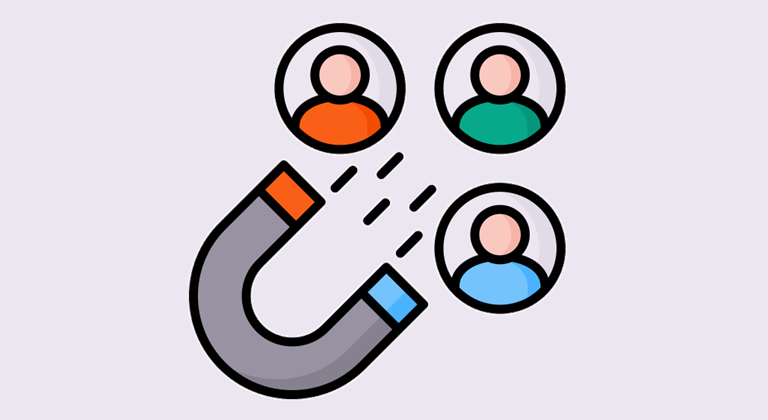
Your sales team needs to improve its ability to schedule meetings that result in successful sales. The problem occurs because they cannot find suitable leads to pursue. The guide provides a complete explanation of how to create a PEO lead-generation system that automatically schedules meetings with HR directors, CFOs, and business owners.
Understand the Modern HR Decision Maker
Before you build campaigns, you need clarity about who you are targeting. Today, HR leaders operate under three main conditions, which include data usage, limited time resources, and doubt about standard sales methods. They handle multiple tasks, which include compliance risk management, retention problem-solving, benefits expense control, and workplace policy development.
To book meetings effectively, your messaging must reflect a deep understanding of their priorities. Your example to show this point needs you to provide proof from your actual work.
- HR Directors care about compliance, employee experience, and reducing administrative burden.
- CFOs focus on cost predictability, risk mitigation, and long-term financial impact.
- CEOs and founders often prioritize scalability, talent acquisition, and operational efficiency.
The segmentation of prospects is vital in the lead generation process for PEO. Your outreach should use specific messages that match the target audience of different industries, company sizes, and job positions. When your messaging speaks directly to a prospect’s daily challenges, your meeting request becomes relevant rather than intrusive.
Define a Clear and Compelling Value Proposition
Many PEO providers describe their services in similar terms. The industry standard services include payroll management and benefits administration, together with compliance support and risk mitigation services. HR leaders will not respond to your outreach if it sounds exactly like what all your competitors are using.
To improve PEO lead generation results, sharpen your positioning. Ask yourself:
- What measurable outcomes do clients experience within the first six to twelve months?
- Which specific industries do you handle between healthcare, construction, and technology?
- Can you provide measurements of cost reductions together with operational efficiency enhancements?
- Do you offer premium benefits access that smaller companies cannot obtain through independent means?
Your value proposition should deliver results through its main outcomes. Your HR services should include complete solutions, but you need to show actual outcomes that will demonstrate your business impact through your services. The presentation of definite results that show your work capacity will make people interested in your office work, which will lead to more meeting requests.
Build Highly Targeted Prospect Lists
Quality matters more than volume in PEO lead generation. The study shows that using a list of highly qualified accounts generates better results than using a list of loosely defined prospects.
Start by identifying your ideal client profile. Consider factors such as:
- Company size is often between 20 and 200 employees.
- Revenue range.
- Geographic location.
- Industry vertical.
- Signs of growth, such as recent funding, hiring spikes, or expansion into new markets.
Segmenting prospects is the most critical part of any PEO’s lead generation process. Your team can use intent signals to determine which organizations to contact first because they have already started their purchasing process.
The building of your list should begin with the process of validating contact details for HR directors, heads of people, CFOs, and founders. Your outreach campaigns will fail if you do not have accurate data.
Craft Outreach That Earns Attention
Every week, HR executives receive dozens of unsolicited emails and LinkedIn requests. They delete them without even reading them if the subject line doesn’t grab their attention.
Effective PEO lead generation outreach adheres to a few proven principles:
Personalization: Talk about new developments in their business, the hiring process, or industry problems. Identifying one unique aspect of their specific situation displays genuine research and significantly boosts response rates.
Concise: Convey your message succinctly. Executives on the go are not going to read through pages of blather.
Use relevance: Connect your offer directly to a dilemma the individual probably faces.
Utilize social proof: Back your claims with industry or client-specific credentials or success stories.
For instance, instead of requesting a 30-minute window to detail your PEO offerings, focus on a desired result. Discuss how your services helped a similar business to manage workers’ compensation claims or reduce predictable health costs. Keep your comments relevant to what they would be interested in.
Use Multi-Channel Outreach for Maximum Impact
Your marketing will be limited as you are relying on just one channel. The most successful PEO lead generation strategies will include a combination of email, phone, LinkedIn, retargeting ads, and content marketing.
A coordinated approach might look like this:
Day 1: Personalized email introduction.
Day 3: LinkedIn connection request with a short note.
Day 5: Follow-up email with a relevant case study.
Day 7: Phone call referencing previous outreach.
Day 10: Final email with a clear call to action.
People develop familiarity through their consistent practice of certain activities. The prospect will become more likely to respond when they encounter repeated contact after their first interaction.
Your ads, which show to previous visitors, will support your advertising message. Your sales personnel can maintain contact through direct outreach, while targeted ads create brand awareness that keeps your prospecting efforts active.
Offer High-Value Content That Drives Inbound Leads
Outbound efforts are important, but inbound marketing strengthens long-term PEO lead generation. Your brand should reach HR decision makers when they actively research solutions because this establishes their first contact with your business.
Create content that addresses pressing HR challenges, such as:
- Navigating multi-state compliance.
- Managing rising healthcare costs.
- Avoiding common payroll mistakes.
- Building competitive benefits packages.
Gated content, such as guides, calculators, or compliance checklists, can also grab contact information. But the content has to actually be valuable. Decision makers will provide their details only if they receive something actionable.
The same is true for educational webinars. Put on a webinar about a benefits topic, such as changes to regulations, and you’ll establish your organization as knowledgeable. Participants are often high-intent prospects who will accept an appointment request more readily.
Optimize Your Meeting Booking Process
Getting people interested is only the beginning. Friction with your booking process may be costing you qualified opportunities.
Make it easy for prospects to schedule time by:
- Including a calendar link in your outreach.
- Offering flexible time slots.
- Keeping the initial meeting short, often 15 to 20 minutes.
- Clearly outlining the agenda in advance.
HR leaders need to know their expected call benefits before they will make a commitment to the call. The first meeting should be established as a discovery conversation, which helps the team understand their existing operational framework, their current issues, and future objectives. The team needs to wait until later in the process before they present their complete sales materials.
Align Marketing and Sales, Teams
The primary obstacle that prevents PEO lead generation from succeeding occurs when marketing and sales teams fail to work together. The process of lead generation stops progressing when marketing provides leads that sales teams evaluate as unqualified.
Establish clear definitions for:
- Marketing qualified leads.
- Sales qualified leads.
- Target industries and company sizes.
- Follow-up timelines.
Establish ongoing meetings to assess both lead quality and conversion rate performance. The assessment process will determine which campaigns succeed in securing booked meetings and which messages produce the highest response rates. The two teams need ongoing feedback because it enables them to enhance their methods of reaching out to potential customers.
Leverage Social Proof and Case Studies
HR leaders function as risk management specialists because of their job responsibilities. They require trust before they will work with a new service provider. Social proof that exists with high strength reduces risk perception and boosts the probability of meeting acceptance.
Develop detailed case studies that highlight:
- The client’s initial challenges.
- The solution was implemented.
- Quantifiable outcomes.
- Testimonials from HR or executive stakeholders.
You should implement these case studies for your email outreach, landing pages, and sales conversations. Prospects who observe matching companies achieving measurable results from your PEO services will show interest in discovering how your PEO can provide them with comparable outcomes.
Track, Measure, and Refine Your Strategy
The process of successful PEO lead generation requires continuous work because it does not end after the first implementation. The process requires continuous testing and systematic improvements throughout its entire duration.
Monitor key metrics such as:
- Email open and reply rates.
- LinkedIn connection acceptance rates.
- Meeting booking rates.
- Cost per booked meeting.
- Conversion rate from meeting to proposal.
If response rates are low, revisit subject lines and messaging. If meetings are booked
But not converting, analyze your discovery process and follow-up cadence. Minor tweaks can result in large gains in the long run.
Data-driven decision-making makes sure that your strategy adapts to changes in the market environment and buying habits.
Focus on Relationships, Not Just Appointments
The main objective of the current process requires organizations to establish their meeting requirements. The permanent success of PEO lead generation relies on developing relationships with potential clients. HR decision makers may not be ready to switch providers immediately. Your value delivery, combined with your strategic follow-up methods, will ensure that people continue to consider you.
The company will deliver industry updates to customers and provide they will provide invitations to webinars, and they will conduct customer follow-ups through their industry knowledge. The relationship between parties will grow through increasing trust which leads to customers contacting your business first when contract renewal or organizational expansion happens.
Final Thoughts
Booking appointments with HR decision makers involves more than a few cold call attempts and some tenacity. It involves precise data, positioning the right message in the right channels, an integrated campaign approach, and an easy booking process. When done right, PEO lead generation stands to be a system for predictable success, not a theory in search of a solution.
What does it take to maintain your schedule with qualified conversations throughout your day? You need to define your ideal client while you need to measure your value and demonstrate it through both outbound and inbound messaging and refinement without hesitation. The ones who develop an organized B2B lead generation system through data analysis will achieve success in the competition.
Popular on OTW Right Now!
-
 How to Choose the Right Voltage for Brushless DC Motors in AGVs and AMRs
-
 Discover gaming sleeves designed for comfort and control
-
 The Digital Blueprint: Unlocking Profit and Scale in the House Cleaning Industry Through Software & SaaS
-
 Amazon Fulfillment Center China: A Complete Guide to FBA Fees, Pricing, and Shipping


About The Author

Gagan Bhangu
Founder of otechworld.com and managing editor. He is a tech geek, web-developer, and blogger. He holds a master's degree in computer applications and making money online since 2015.