
Fast Turn PCB: Custom PCB Fabrication for Specialized Electronic Applications
Modern electronic products require circuit boards that meet specific electrical, mechanical, and environmental requirements. From industrial automation equipment to medical devices and automotive electronics, different applications demand unique circuit board designs. Standard printed circuit boards may not always provide the right combination of materials, dimensions, layer configurations, and electrical performance. This is where custom pcb fabrication becomes essential. Making the PCB to the exact specifications of the project is a vital part of the process and is essential to enabling the manufacture of a product that will work in the real world. Fast Turn PCB is one of the providers of custom printed circuit board manufacturing.
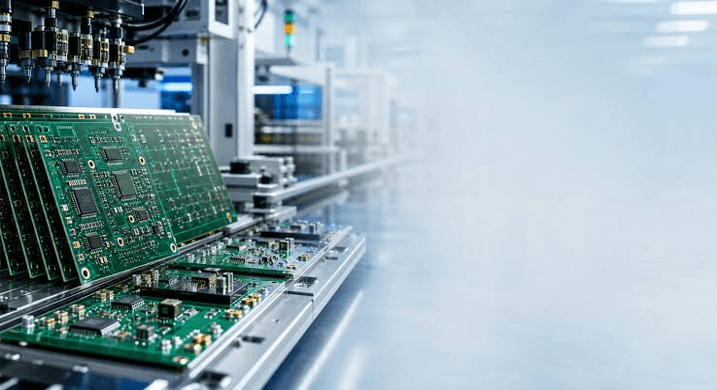
Understanding Custom PCB Fabrication
Custom PCB fabrication is the process of making PCBs to a customer’s design. These are not off-the-shelf boards in any sense. A custom PCB can be any size, any copper thickness, any number of layers, any material and any surface finish.
These boards are designed to meet the specific requirements of each individual electronic system. A high-power industrial controller may well require thick copper, whereas a small communications device might need quite fine traces and a number of layers to allow for the routing of the signal paths.
The custom pcb fabrication process generally involves preparing the design files, selecting appropriate materials, creating circuit patterns, drilling holes, applying plating, and completing the required finishing and testing procedures.
Each step has to be done properly to ensure the finished PCB is exactly as per the design requirements.
Why Custom PCB Fabrication Matters
Every electronic application has its own performance requirements. The benefit of custom fabrication is that it enables the designer to create a board that meets those requirements rather than just using a generic approach.
1. Design Flexibility
Custom PCB manufacturing gives the designer far more control over board size, layer count, trace width, and where the components go. It’s ideal when you’re making a product that has an unusual shape, very tight spaces or has particular electrical requirements.
When the engineers are designing boards for a particular application, they can produce electronic assemblies that will perform better.
2. Application-Specific Materials
Different environments call for different PCB materials. Some applications will require materials with high temperature ratings; others will be more concerned with electrical properties, strength, or cost.
Custom fabrication enables the designer to select the appropriate materials for the environment and the performance requirements.
3. Improved Electrical Performance
How a PCB is designed has an effect on the signal path, the current and the heat. You can tailor it to your requirements to allow you to plan for all of those things when you’re designing.
For example, a high-speed comms system may require controlled impedance routing; a high-current application may require wider copper. The right design is going to be dictated by the electrical requirements and the environment.
4. Better Integration
Specialty products will often have a number of electronic functions packed into a small footprint. A custom PCB can be designed to accommodate the specific component layout and connection requirements which in turn makes it much easier to put the whole thing together in the end product.
This is particularly useful for embedded systems, industrial controllers and the like.
Common Applications of Custom Printed Circuit Boards
Custom PCBs are used in a whole host of industries, as electronic products have such different designs and needs.
Industrial automation: Control systems, sensors, motor controllers and monitoring equipment will all potentially require boards designed for specific electrical loads and operating environments.
Medical electronics: Diagnostic equipment, monitoring equipment and the like. You can have circuit boards designed for a particular size, a particular performance and a particular level of reliability.
Automotive systems: ECU’s, lighting, battery management circuits and sensor assemblies to name a few that may all require a bespoke PCB layout.
Telecommunications: Networking equipment and comms gear will typically have specific routing, layering and electrical requirements.
Consumer electronics: Wearable devices, smart home products, and compact electronic gadgets frequently use custom circuit boards to accommodate unique product designs.
Power electronics: Power supplies, converters, and industrial energy systems may require particular copper weights, thermal management features, and board constructions.
The right fabrication method will ensure the finished PCB meets the technical requirements of the application.
Key Factors to Consider When Choosing a PCB Manufacturer
Selecting a manufacturing partner is an important part of any custom PCB project. Businesses should evaluate several factors before deciding which supplier to use.
Manufacturing Capabilities
Different projects will have different production capabilities. The customer needs to check that the manufacturer can actually produce the board they need in terms of board size, number of layers, copper thickness, materials, and smallest features.
For any special projects, it’s vital to check these capabilities prior to ordering.
Quality Assurance
PCB quality has a direct bearing on how well and how reliably the end product will work. The checks carried out during manufacture can include inspection of the copper pattern, drilling accuracy, plating, layer registration and electrical connections.
Proper inspection and testing will identify any defects and ensure the board is up to specification.
Engineering Support
Some PCBs require additional review to catch manufacturing issues. Engineering support can be used to check trace shapes, layer stacks, material fit and all the other design details prior to manufacture.
Talking to the manufacturer right at the outset will help to avoid any additional changes and will go a long way to smoothing out the project planning.
Production Time and Communication
Manufacturing schedules are important when you’re making prototypes or about to go to launch. It’s all about getting the schedules right and communicating clearly to the customer about what the timelines are, what the design needs are, and what the limits are so they can plan accordingly.
How Fast Turn PCB Fits Custom Manufacturing Projects
Fast Turn PCB is a viable option to look at when you’re considering manufacturing for a special project. You need to check that the supplier’s capabilities, quality checks and production schedules are appropriate for your project.
Before you ask for a quote, you need to have your Gerber files (or whatever your design data is) ready, along with your layer stack-up, your materials, your board size, your copper, your surface finishes, etc.
Giving full technical detail will assist the manufacturer in reviewing the project and will enable them to pick up any potential production issues.
When it comes to Fast Turn PCBs for custom manufacturing, you should check directly with the company as to what PCB technologies, materials, testing, volumes, and turnaround times they require.
Being prepared will go a long way to setting realistic expectations and will make the transition from design to manufacture much smoother.
Best Practices for Successful Custom PCB Fabrication
Good PCB production starts with knowing what the product needs. The engineers need to have the electrical requirements, size requirements, environmental requirements and reliability requirements all defined before they go any further in the design.
Designers should also bear in mind how easy the board is to make. Things that are too small and tolerances that are too tight can make the manufacture much harder and more expensive.
Choose the right materials, check the layer setup, and make sure the components will fit to avoid any manufacturing issues.
For complex projects, you can catch problems by reviewing the design and testing the prototypes prior to full production. Keeping in close contact with the manufacturer also helps ensure that the design decisions are ones that can actually be made.
Conclusion
Custom PCB fabrication allows businesses to make PCBs for specific electronic applications. You can tailor the board to your requirements in terms of size, materials, number of layers, and electrical characteristics. This makes it ideal for a wide range of applications, including industrial automation, medical equipment, automotive, telecom, and power electronics.
Choosing the right partner for custom pcb fabrication requires careful evaluation of manufacturing capabilities, quality assurance, engineering support, and production requirements. Fast Turn PCB is a potential supplier to evaluate when planning specialized circuit board projects.
With good design detail, sensible material choices and a very good dialogue with the manufacturer you can end up with a PCB solution that’s exactly what you need and will underpin a reliable electronic product.
Popular on OTW Right Now!




About The Author

Gagan Bhangu
Founder of otechworld.com and managing editor. He is a tech geek, web-developer, and blogger. He holds a master's degree in computer applications and making money online since 2015.