
Why Material Quality Matters for Modern License Plate Accessories
License plate accessories are always out in the open, exposed to the elements (rain, dust, sun, all sorts of temperature changes and regular washing). That has an effect on more than just the appearance of the accessory in terms of how it fits, how well it sticks and how it reflects light. If you’re applying a product directly to the plate characters, then you really do need to select a material that is appropriate for the plate.
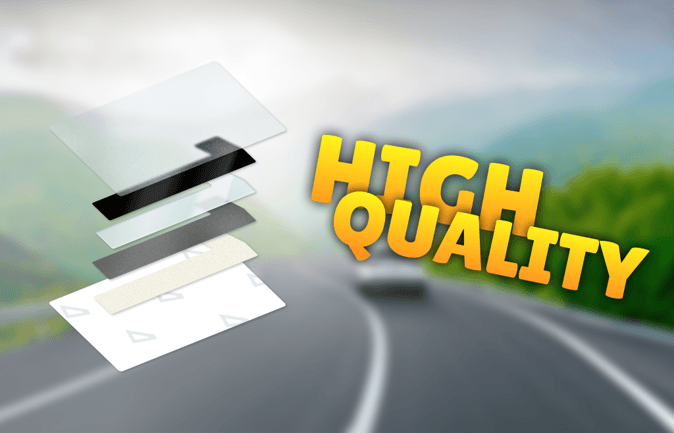
Outdoor Conditions Put Materials to the Test
A car left parked may sit in the sun for hours and then drive through a downpour. The repeated cycles of heat and cold can alter the shape of an accessory and weaken the adhesive. Moisture and grime can get behind the edges of an exposed part, and washing will put additional stress on the surface.
If it’s not a good match, it could lift, it could crack, it could fade, and it could pick up dirt at the edges. The smallest of changes will be apparent on a plate as each character has a very distinct shape. Good quality material is one that is durable, adheres well and has a finish that works with the plate beneath.
Drivers considering an anti radar sticker for car plate number should also check compatibility with their plate format. Alite offers Nanofilm Ecoslick stickers for selected characters and different regional designs. Its range includes options for both cars and motorcycles, whose plate dimensions may differ.
Fit and Adhesion Affect the Result
License plates aren’t the same in every jurisdiction. The size, shape, color, and finish of the characters can all differ. Some have raised characters and some are flat. A sticker designed for one type of plate may not work at all on another.
Getting the fit right is key—the material should only cover the character and not the background. The adhesive itself needs to be good all the way across the character. If an edge comes loose, then it can trap dirt or water, and that will affect the way the sticker looks.
Several practical details deserve attention before installation:
- Plate format: confirm the country/region and the exact character style.
- Surface condition: Clean and dry the plate as per the product instructions.
- Alignment: place each sticker over its relevant symbol.
- Edges: press the material evenly so it sits firmly on the surface.
Careful installation will, of course, get the material to perform as it was designed to do. It won’t, however, make a product suitable for a plate format it wasn’t designed to be. The sensible first step is to check compatibility prior to ordering.
Optical Properties Are Part of Material Quality
Most people assess plate accessories on the basis of how they look in daylight. With optical stickers, you do have to consider the way the surface will respond to light from a camera as well. Some road cameras operate in the infrared spectrum (i.e. they use light that we can’t see).
Alite say their stickers are designed to alter the way infrared light reflects off a covered subject when viewed by certain cameras. That’s only in specific imaging situations. As cameras can have different sensors, different lighting, different angles, and different processing, the way a sticker will appear in one image may well be different in another system.
That’s why consistent manufacture is important. If the optical layer isn’t even then some of the parts may reflect light differently. A good fit, properly applied sticker will create a smooth surface which makes it far easier to judge what it looks like once it’s in place.
Choosing an Accessory for Long-Term Use
Product descriptions can be useful, but the practical bits are just as important. What plate format does it take? How many characters does it cover? What does the fitting instruction actually say? What about the conditions your vehicle will be in (i.e. will it be parked outdoors, will it be washed regularly etc)?
Drivers should also check the local rules regarding license plate accessories prior to their use. It’s entirely possible that a material will fit perfectly and be very subtle in the daylight, yet still be prohibited in certain areas.
A good license plate accessory will have the correct fit, good adhesion, be durable, and have the right optical characteristics. When you look at all of those attributes together, it’s far easier to pick a product that will work with your plate and to understand what the manufacturer is offering.
Popular on OTW Right Now!
-
 Managing Asbestos Safely: When Professional Assessment and Abatement May Be Needed
-
 Eyewear Brands That Have Stood the Test of Time
-
 Optimizing the ‘Charge Cycle’: How Data Insights Help Prevent Forklift Downtime During Peak Shifts
-
 Personal Injury Law Firms in Oklahoma City With the Best Track Records




About The Author

Gagan Bhangu
Founder of otechworld.com and managing editor. He is a tech geek, web-developer, and blogger. He holds a master's degree in computer applications and making money online since 2015.