
Is it Safe to Use Aftermarket Straps with a Luxury Watch?
Yes, aftermarket watch straps are safe to use on a luxury watch as long as the strap is properly sized, has the correct spring bars or attachment hardware, and is not used in a way that would harm the case.
Changing straps is something many watch owners will do as an aspect of their watch enjoyment. Most of the problems are due to wrong dimensions, the wrong type of hardware or poor installation, and not because the strap is not OEM.
Many watch owners regularly switch between high-quality watch straps to change the appearance and wearing experience of the same timepiece without compromising its character.
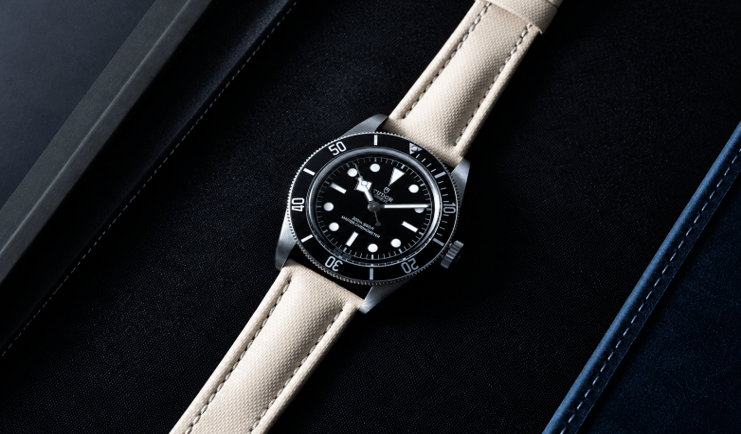
What Are the Real Risks of an Aftermarket Strap?
The major watch strap aftermarket risks are incorrect lug or clasp size, improper or inappropriate spring bars and scratching the watch during installation. Before fitting any strap, check compatibility and ensure that each of the spring bars is fully inserted before the watch is worn. To minimize the possibility of marking the lugs, use the proper tool. Store the original factory bracelet, strap and hardware safely, especially for future servicing, resale or returning the watch to its original set-up.
Does an Aftermarket Strap Affect the Warranty?
Not all watch manufacturers, models, and countries are covered by a universal warranty.
It is not, therefore, necessarily a breach of every watch warranty to simply replace a removable strap or bracelet. Warranty terms are set by the manufacturer, however, and damage from another component or installation may not be covered.
For instance, if a tool slips when replacing the strap, or the wrong tool damages the lugs, then it is a different problem from a mechanical warranty claim that is unrelated.
Before changing to a strap, review the current written warranty terms provided by the watch manufacturer to determine if a strap would impact your warranty.
How to See if an Aftermarket Strap Will Fit?
Start with the width of the watch’s lugs, which is the gap between the sides of the lugs that the strap spans.
There are a number of factors to consider when selecting a strap for lug openings of 20mm or more, and it’s not just the width. Other parameters that might need to be measured are the thickness of the strap, the diameter of the spring bars, the size of the holes, case clearance and the width of the clasp end.
Some watches feature unique lugs, proprietary attachment systems or curved strap ends. In those instances, a regular third-party watch strap might not be an appropriate choice, despite the nominal width looking to be right.
The compatibility should be verified with the watch’s particular reference, wherever possible.
Why Are Spring Bars So Important?
Spring bars are the small pieces that hold the watch onto the watch strap.
If the bar is short, too thin or not properly seated, it poses an unwarranted risk. Once the strap is in place, verify that both tips of the spring bar are seated in the lug holes.
Don’t assume that the spring bars that come with one strap are usable with all watches.
If the original manufacturer used a particular spring bar specification, it is more critical to match the bar dimensions than to use whichever bar is easiest to install.
Can You Swap a Luxury Watch Strap Without Problems?
If you own a traditional watch, you may be able to change the watch strap at home with the right tools and technique.
Use a compatible spring bar tool and take care not to force parts into place on the working surface. Do not apply excessive pressure to the spring bar. Stop if it needs to be pushed too hard and check the sizing.
For watches equipped with proprietary systems, complicated lug access or polished cases, professional fitting may be warranted, especially if you are not comfortable working near an expensive case.
Knowing what to look for in a watch strap should thus involve not just sizing but also the type of attachment.
What’s the Difference Between Non-OEM Straps and Counterfeit Straps?
An aftermarket or non-OEM watch strap is one that’s not made by the watch company. Unless it is an official factory product, it should not be presented as such.
A counterfeit strap is different because it tries to mimic or misrepresent itself as a true branded product.
Artem Straps are accessories which are not part of the original equipment. They are not official, or OEM, straps made by the watch brands, and compatibility with particular products may apply.
That separation gives owners the option to try premium watch straps from independent manufacturers without being misled about compatibility with the official manufacturer.
Should You Keep the Original Strap or Bracelet?
Yes. If you like to wear the watch with an aftermarket strap, it makes good sense to retain the original ones.
Keep the factory strap or bracelet, spring bars, clasp and other detachable accessories in a secure place. They might be useful when the watch is being serviced, sold or reverted to its original configuration.
If using leather watch straps, clean and dry them as necessary before storing them away and never store them when they are wet.
Frequently Asked Questions
Are Aftermarket Watch Straps Safe?
They can be when they are correctly sized and used with the correct attachment hardware. Fit and installation are more important than whether or not the strap is OEM or aftermarket.
Can an Aftermarket Strap Damage a Luxury Watch?
If lugs or case surfaces are damaged, it could be due to incorrect sizing, inappropriate spring bars or improper installation. A properly matched and properly fitted strap will minimize these risks.
If You Change Watch Straps, Will It Impact the Warranty?
There is a difference in warranty terms among manufacturers and markets. Check the warranty terms and conditions of your particular watch, especially the coverage for damage from third-party components or installation.
Can I Use the Original Spring Bars With an Aftermarket Strap?
Occasionally, depending on the strap and watch. Examine the diameter of the spring bars, the length of the bars and the opening of the spring bar in the strap, rather than assuming that the spring bar will always fit.
Should I Have an Expensive Watch Strap Professionally Fitted?
Not always, but if you’re unsure of how the watch is fitted or using an unfamiliar attachment system, or if you don’t want to risk the watch getting scratched or damaged, it’s certainly worthwhile to have the watch fitted by a professional.
Popular on OTW Right Now!




About The Author

Gagan Bhangu
Founder of otechworld.com and managing editor. He is a tech geek, web-developer, and blogger. He holds a master's degree in computer applications and making money online since 2015.