
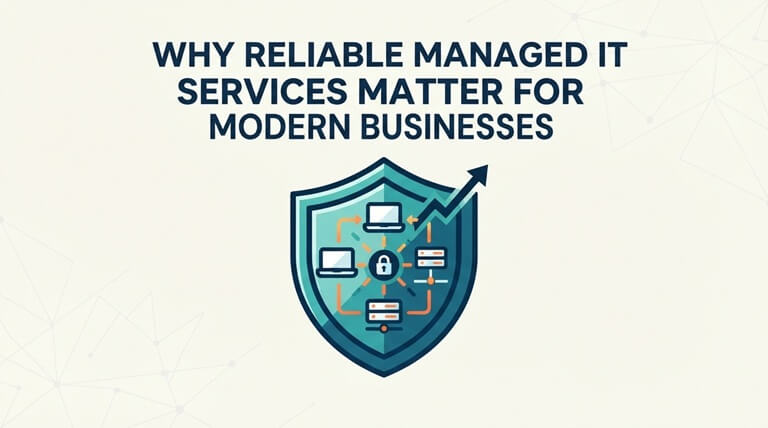
Why Reliable Managed IT Services Matter for Modern Businesses
The use of technology is critical for any business in today’s world. Whether it comes to communication and customer service, accounting and data management, or other processes, the use of technology in the company makes sure that the work goes well. With the use of technology that works properly, people are able to perform their duties without distractions.
However, when technological problems start occurring on a regular basis, productivity will start to drop. This is why managed technology services become crucial for companies, as people can start using technology proactively instead of reacting to its problems.
The Importance of Professional IT Support
Not all businesses are able to afford the luxury of maintaining a full-scale IT team within the company. Some may employ just one technical person, while others may require specific knowledge that cannot be maintained by a company’s IT team.
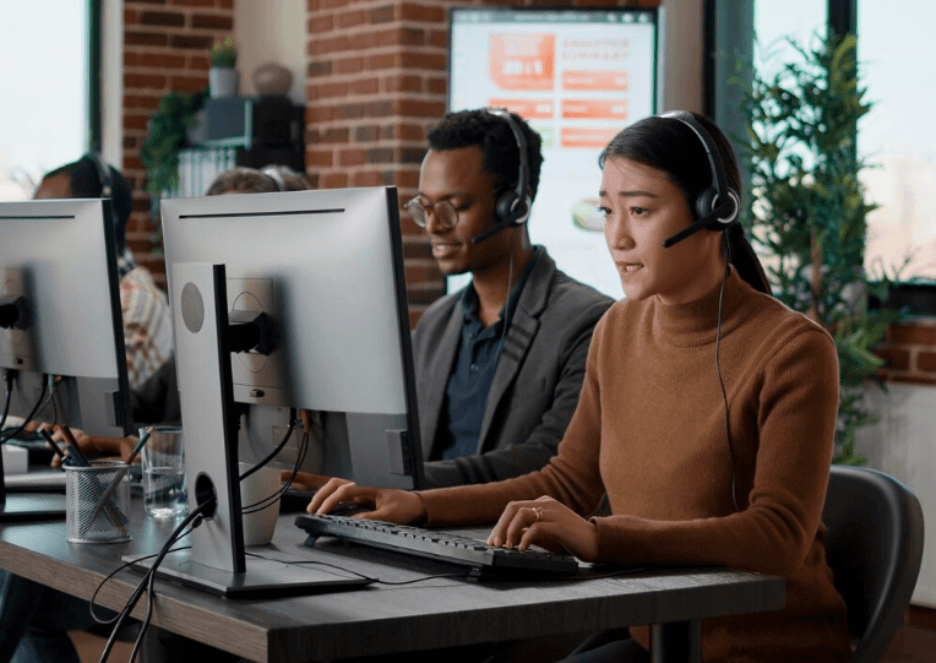
Professional IT support provides a source of qualified technicians who will understand the technology used by a particular business. This can include regular troubleshooting, dealing with network problems, dealing with software, hardware, security, and system maintenance.
Access to a dependable source of support provides the employees with someone they can contact when having any difficulties. It saves the time the employees spend trying to find a solution on their own.
Why Businesses Need Proactive IT Management
Conventional IT service management is reactive, concentrating more on fixing any problems that have occurred. Although such measures might help address the issue at hand, they do not necessarily eliminate the occurrence of similar issues in the future.
The proactive model of IT support services allows for monitoring the systems to spot any potential issues before they cause any serious problems. Such activities as software updates, security patches, backups, and network performance can all be managed through this proactive measure.For companies, this means fewer surprises.
Choosing Local IT Expertise
Location is another factor that may be relevant in determining an IT support company. While some IT issues can be fixed through remote IT service, there might be times when someone needs to come to the business premises.
For those businesses seeking a provider for their Durham IT support provider needs, having people who are able to provide both local and remote IT services can be advantageous. Local IT knowledge can be particularly helpful in installing new hardware and setting up network infrastructure, among others.
Another advantage of having a local IT service is easy communication. Companies can talk about their IT requirements with someone who is familiar with their surroundings.
Cybersecurity Is No Longer Optional
Cybersecurity is a vital aspect of business planning. All organizations, regardless of their size, deal with confidential information, which may include customer records, financial details, employee records, passwords, and other sensitive internal documents.
Therefore, cybersecurity cannot be limited to antivirus installation only. It could involve other elements such as endpoint protection, firewall installation, secure access, email security, employee training, monitoring activities, software updates, and backup.
It is also necessary for businesses to check the number of people who have access to their systems and ensure that they take necessary measures for avoiding unwanted access.
The Role of Managed Services in Los Angeles
The large enterprise market may involve complicated technological needs. An enterprise may have multiple offices, employ remote workers, deploy cloud applications, and utilize different technologies.
With the aid of a Los Angeles Managed Services Company, an enterprise can cope with its technological needs using continuous service rather than fixing problems from time to time. Managed services may consist of such components as network monitoring, help desk services, cybersecurity, cloud management, maintenance, and IT strategy.
It is important to emphasize that services may vary from one organization to another depending on its size and organizational structure. While a smaller firm may need basic technical support, a larger firm may need additional services.
Supporting Remote and Hybrid Employees
Working from home or hybrid models have altered how many businesses utilize technology. Workers will be able to connect to the corporate system while being at their home, coworking place, or any office location.
In such cases, there is an increased need for the company’s IT department. Companies should ensure that the employees are provided with necessary applications and files while keeping necessary security measures in place.
Managed IT support services can help the organization adopt certain policies for accessing systems, managing devices, performing software updates, and handling technical issues.
Data Backup and Business Continuity
Problems with technology do not only arise due to attacks over the internet. There are other factors such as hardware failure, accidental data loss, software issues, and many others which cause a loss of information.
Backup of information is therefore essential when planning for business continuity. Planning for backup involves determining what needs to be backed up, how often, and how soon the information can be restored.
It is equally important to regularly test restoration processes of the information. Backing up of information is good, but restoring the backup information must also be tested.
Helping Businesses Grow
The technology requirements of an organization can change rapidly as the organization grows. The arrival of new employees will necessitate more gadgets and login credentials. As the organization grows, there might be a need to improve the current network setup, enhance security measures, implement new software and even cloud computing.
An IT solution provider is well placed to enable organizations to be proactive in technology adoption rather than being reactive. Technology planning is one way of ensuring that the organization knows its current and future technology requirements.
It will also help to minimize unnecessary investments in technology. Organizations do not have to invest in the latest or most trending technology simply because it is so.
What to Consider When Selecting an IT Provider
Firms must not limit their considerations to just price while evaluating the IT service providers. The cheaper the provider per month might not add any value at all if the response time is too long and if the services that could be offered are left out.
Some factors that should be considered include the provider’s experience, response time, services offered, security, communication process, and scalability.
It is also helpful to know what exactly the service agreement entails. Firms need to know how technical problems are communicated, what kinds of support services will be provided, and if there is on-site support where necessary.Effective communication between firms and IT service providers is crucial.
The Bottom Line
Reliable technology is one of the core components of any successful contemporary business process. Staff members require functional systems, secure networks, accessible information, and technical assistance in order to carry out their work properly.
Proper IT solutions can assist companies in making the transition from reactive problem-solving to proactive management of technologies. The latter may include monitoring, cybersecurity, backup, maintenance, and planning.
Popular on OTW Right Now!


About The Author

Gagan Bhangu
Founder of otechworld.com and managing editor. He is a tech geek, web-developer, and blogger. He holds a master's degree in computer applications and making money online since 2015.