
Choosing a Home Battery Backup System by Need
Choosing a home battery backup system starts with a simple question: what do you need it to keep running, and for how long? Some homes only need enough battery backup to power a Wi-Fi router, lights, a refrigerator, and phone charging stations during short outages. Others desire a bigger system that will provide critical circuits during an overnight blackout or a number of days of disturbance. The right choice matches battery capacity, inverter output, charging options, and expandability to your real usage. This helps you avoid overpaying for a system while also preventing undersizing, which can leave key appliances unsupported. Examining energy consumption, peak demands, solar viability, and future expansion can help you determine an appropriate backup system that performs reliably in the event of a grid outage.
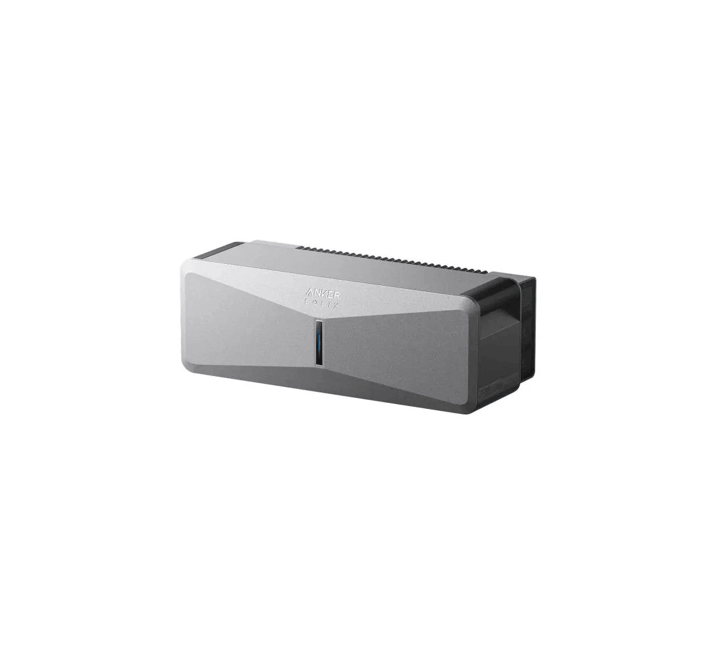
Choose Backup Capacity for Your Outage Needs
Estimate Daily Energy Use and Required Runtime
First, identify the devices you need to operate during a power outage and estimate the amount of watt-hours that each device consumes per day. Total refrigerator cycling and other items that have to cycle, such as internet equipment, lighting, medical equipment, fans, laptop charging, etc. Battery capacity indicates how much energy it can hold and should be based on the energy you require each day. If you use 3 kWh per day, you will need backup for at least one day, so use a capacity of 3 or more kWh per day. Add some headroom for inverter losses, battery reserve, and unforeseen usage, and the system will operate as intended, rather than running empty sooner than anticipated.
Plan for Short Outages or Multi-Day Backup
Proper backup is needed for short outages as opposed to storms and outages lasting several days. If you need to take the phone out of action occasionally for a few hours, then a small battery that powers only the essential functions is sufficient. For frequent overnight or extended outages, select a system that can store more water or recharge from solar power during outages. For multi-day plans, preserve food, the ability to communicate, light, and necessary comfort & health equipment, while not exhausting the battery on day one. Don’t keep convenience loads with essential loads – extend your storage time! A right-sized system provides coverage for the most critical circuits first, followed by additional capacity for whole-house coverage, if necessary, based on your outage profile.
Match Power Output to the Appliances You Use
Compare Continuous Output With Peak Power Demand
Capacity is how long a battery can run, while power output is how much power it can deliver during that time. Read the output of the inverter and match it with the total wattage of all the appliances that will be running at the same time. Next, check the peak or surge power; this is important when devices start up and use more power than they’re rated for during that initial start-up surge. If you have enough energy in your backup system, but not enough output, it will still not keep your priorities. Find out the running wattage of your essential loads; add them together and be sure the system won’t trip when the surge occurs during startup. This is particularly important when multiple appliances are likely to run simultaneously during a power outage.
Account for High-Power and Motor-Driven Appliances
High-power appliances and devices require special attention since their starting power consumption may exceed their running power. Short surge loads like those produced by refrigerators, freezers, sump pumps, well pumps, garage door openers, and air conditioning equipment can overload an undersized inverter. Even if the battery can provide this power, resistive loads can absorb the energy quickly, like space heaters, ovens, or electric dryers. Consider only necessary appliances and confirm running and start-up needs before determining system size. If your objective is to support more heavy-duty items in your home, select a battery system that has better inverter specifications and provide specific plans for load management, rather than just relying on nameplate estimates.
Consider Solar Charging and Future Expansion
Decide Whether Solar Integration Fits Your Backup Plan
This is where solar charging makes the most sense, when you want to have backup beyond the charge stored in the battery. When extended power outages are experienced, compatible solar input can charge the battery during the day and help lower the need for grid power when power is restored. This is particularly beneficial for households in regions prone to storm-related outages or prolonged outages. When evaluating a home battery system, confirm that it supports the solar charging method you plan to use and that charging rates align with your daily energy needs. Take into account roof space, amount of sun exposure, and seasonal production. A well-matched solar panel and battery backup system can turn backup power from a short-term solution into a more sustainable home energy strategy.
Look for Expandable Capacity as Energy Needs Change
The choice of battery backup system should fit your current needs without limiting future growth. Expandable designs allow you to build a sufficient number of circuits for your basic needs and then expand as your family grows. This can help if you add appliances, increase at-home work, install solar cells later, or opt to pay for longer outages. Expansion can also reduce initial costs, make them affordable over time, and ensure your system stays in sync with your real usage. When purchasing, ask if the battery platform is expandable and the maximum capacity it will accommodate, and if expansion will impact installation. A scalable system offers you a sensible transition from backup power for essential loads to home energy systems as your priorities change.
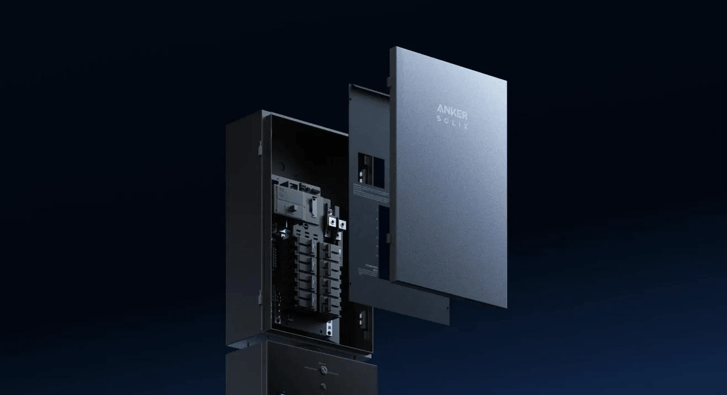
Conclusion
The first step to selecting a home battery backup system is to determine which loads you want to back up and which outages you will experience. Start with the fundamentals, then size for your desired run time. Once you have done that, check if the inverter is able to provide the continuous power and startup surge of the key appliances. For longer durability, opt for solar charging. If you’re planning to increase your energy requirements, think expandability first. This results in a system that is practical, reliable, and cost-conscious, rather than oversized or under-powered. The right backup battery helps power your critical devices, maintains your comfort during outages, and provides a greater energy security plan at home when you need it.
Popular on OTW Right Now!




About The Author

Gagan Bhangu
Founder of otechworld.com and managing editor. He is a tech geek, web-developer, and blogger. He holds a master's degree in computer applications and making money online since 2015.