
How to Choose the Right Livestock Trailer for Your Farm
Picking the right trailer isn’t a casual decision. It affects your animals’ well-being, your daily routine, and, let’s be honest, your farm’s profitability. Bad transport conditions create injured livestock, regulatory headaches, and repair bills that pile up quietly until they’re not so quiet anymore.
Whether you’re moving cattle, hogs, or sheep, knowing what to evaluate before signing anything can spare you significant frustration. Here’s everything you need to make that call with confidence.
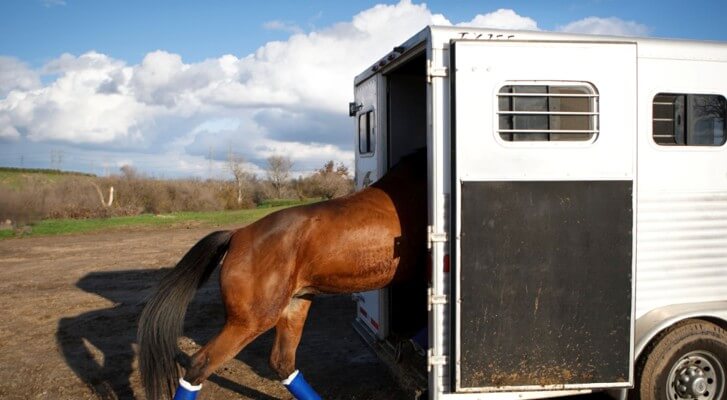
A Practical Livestock Trailer Buying Guide
Impulse decisions in this category are expensive. A proper livestock trailer buying guide keeps your priorities in order and your budget intact.
Start With Your Herd and Hauling Habits
How many times a day do you take a load? Goats and sheep require less headspace and room than cattle. When moving several times a week, durability and the ability to be easily cleaned should be high priorities. Different needs apply to a farmer who has animals that are moved twice a year.
Towing Setup and Terrain Realities
Do not overlook checking and matching your tow vehicle’s Gross Vehicle Weight Rating (GVWR) with the trailer’s GVWR. When the head unit and the display are not compatible, they can be difficult to handle safely, and they degrade mechanical parts sooner than they ought to. Don’t forget your land! Access roads are rough and rutted, requiring heavier-duty suspension. When you haul goods from one place to another on a highway, you have greater flexibility with a smooth haul.
New vs. Used: What to Watch For
Used trailers can deliver solid value, but inspect the floor, welds, and hitch hardware closely before committing. When you’re searching for a reliable cattle trailer for sale, browsing through a trusted dealer such as Silverline Trailers gives you access to both new and certified pre-owned options, and ensures transparent pricing as well as peace of mind.
What Actually Makes the Best Livestock Trailer for Farms
Let’s get one thing straight: bigger isn’t always better, and neither is most expensive. The best livestock trailer for farms is the one that fits your animals, your terrain, and your workload, not someone else’s.
Safety Features Deserve Your Full Attention
Here’s a number to ponder: The pork industry is losing pigs, pig quality, and even profitability due to stressful transport and poorly designed trailers. That is real money loss and not potential risk. Look for non-slip floors, effective ventilation, latching mechanisms, and padded interior walls. These are not brand-new features – these are necessities.
Size, Capacity, and What Your Animals Actually Need
Your herd is stressed when it’s in a cramped trailer. One that’s too big wastes fuel and is a pain to maneuver in tight spaces. And as it goes, so goes size and material. Aluminum is naturally anti-rust and light-running. Steel costs less initially, but it requires more maintenance over time.
Here’s the longer-term picture: aluminum trailers typically achieve 15–20% total cost savings over a 15-year equipment lifecycle through reduced fuel consumption and minimal maintenance requirements. For any operation watching margins closely, that’s a meaningful edge.
With quality defined, the next step is to move from a concept to a quality buying process that works on your farm now.
Advanced Livestock Trailer Tips Worth Knowing
After you understand the basics, there’s a second level of innovation that can make your trailer functional and truly excellent, both for animal and operational concerns.
Technology Is No Longer Optional for Serious Operations
These are no longer gimmicks, but capabilities like GPS tracking, temperature monitoring, and automatic ventilation. Commercial livestock operations are investing in advanced trailers equipped with safety systems and real-time monitoring. Having someone in the cab or remotely to monitor conditions is an added eye on the ball that is beneficial on long hauls.
Flooring and Ramp Design: Small Details, Big Impact
Slipping during transit is minimized with the use of rubber mats, grooved aluminum surfaces, and anti-fatigue flooring. Ramps should be wide and low angle, and have a textured surface (preferably one that is stable under an animal’s feet). Good flooring also reduces the cleaning time after each and every time traveled, creating a difference in a season.
These livestock trailer tips are only worthwhile, though, if you keep your equipment in shape. Upgrades don’t compensate for a neglected inspection routine.
Inspecting and Maintaining Your Farm Livestock Trailers
Don’t wait for something to break before you take a close look. A consistent maintenance rhythm protects your investment and ensures your farm livestock trailers perform reliably every time you load up.
Build a Pre- and Post-Trip Routine
Before each haul: inspect tires, lights, hitch connections, and floor integrity. Once unloaded: check for damage, remove trash, and identify areas of wear so that they do not become issues. It’s always better to spot problems early rather than late – before you need to do a road rescue.
Seasonal Care and Compliance
Heat warps seals. Metal Fatigue and frozen latches are a result of cold. Equipment doesn’t like extreme conditions as much as operators think it does. Keep up to date on standards for transporting animals and on DOT regulations, especially when transporting interstate. Compliance is both legal and practical protection for you and your animals.
Final Thoughts on Making the Right Call
A well-matched trailer pays for itself through healthier animals, fewer mechanical issues, and smoother daily operations. Use this how to choose livestock trailer guide to evaluate size, material, safety features, and available technology before you commit.
It’s not just a piece of equipment—the right trailer. It’s an investment in improving efficiency on your farm and the health of your herd. Be patient, ask a challenging question, and don’t be satisfied with something nearly right.
Common Questions About Livestock Trailers
What is the best brand of livestock trailers?
Sundowner, Featherlite, and Exiss have great reputations for quality and durability. However, choosing the best brand for a particular kind of livestock, budget, and frequency of hauling will determine the best brand. Before deciding, check warranties and dealer support.
What size livestock trailer do I need?
Allow approximately 6 square feet for each sheep or goat and 20-25 square feet for full-grown cows. These all play a role in the correct setup of a trailer. All these come into play in determining the correct setup and setup of a trailer.
Gooseneck or bumper pull?
Gooseneck trailers distribute weight better and provide more stability; they’re great for larger groups and longer trips. Bumper pull models are easier to maneuver and less expensive, and are a good size for smaller farms with less weight to move and shorter distances.
Popular on OTW Right Now!



About The Author

Gagan Bhangu
Founder of otechworld.com and managing editor. He is a tech geek, web-developer, and blogger. He holds a master's degree in computer applications and making money online since 2015.