
Solar Panel Basics: A Smarter Start for Buyers
Solar panels can lower electricity costs, support energy independence, and provide dependable power for homes, outdoor activities, and emergency backup. For new buyers, the challenge is not understanding whether solar works, but choosing the right panel type, size, and features for real-world use. A smart purchase starts with the basics: how panels generate electricity, what affects output, and which specifications matter most over time. Efficiency, durability, compatibility, and expected energy needs should guide every decision. Buyers who understand these factors can avoid overspending, underpowered setups, and mismatched equipment. This guide explains the core principles behind solar panels. It shows how to evaluate them based on practical goals, whether you want to offset household use, charge devices off-grid, or build a more reliable renewable energy system.
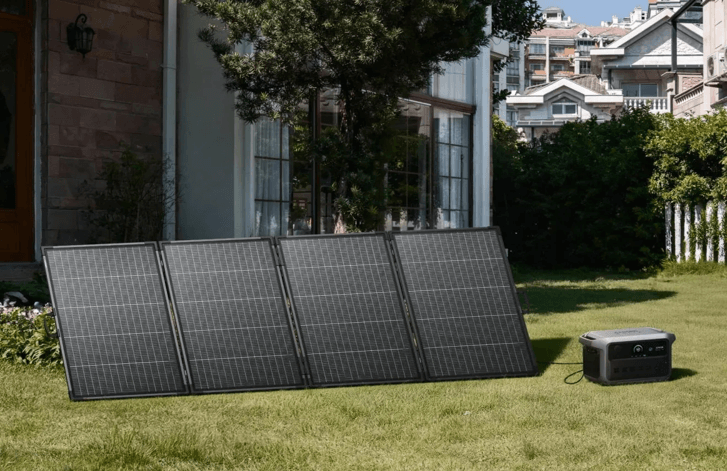
How Solar Panels Work and Generate Power
The Basic Process Behind Solar Energy Conversion
PV cells produce electricity when they absorb sunlight and transform it into direct current (DC) electricity. Sunlight penetrating the semiconductor material in a cell causes electrons to be excited, and an electric current is produced. There are multiple cells as well as multiple panels that can be connected to achieve higher output. The electricity generated can be used to charge batteries, to power DC equipment, or it can be fed into an inverter to power AC equipment, such as household appliances. Production is influenced by the intensity of the sun’s rays, panel angle, shading, and temperature. This process requires no fuel and operates silently; thus, solar is a viable renewable energy source. For purchasers, the obvious is the following: Panels generate power from sunlight, but not from the heat.
Key Components That Affect Solar Panel Performance
Several factors affect the effectiveness of a solar panel in day-to-day use. It is composed of the core solar cells; the quality of the material affects the efficiency and stability of solar cells. The protective glass layer affects light transmission and impact resistance, and the frame improves the panel’s wind resistance and outdoor durability. The type of backsheet material and sealing are also important because they prevent moisture and heat stress to the internal components of the photovoltaic devices. Junction boxes, connectors, and wiring affect safety and electrical reliability. Wattage, voltage, and efficiency are used in performance ratings to help buyers make a more accurate comparison between performance options. Another useful indicator is temperature coefficient, which indicates the output variation in hot conditions. Headline wattage is often the least important factor in the strength of a construction and electrical performance.
How to Choose Solar Panels Based on Your Needs
Selecting Panels for Home, Outdoor, and Backup Power Use
There is no one best solar panel, as it depends on the place and usage of the panel. When choosing for homes, consider roof space, daily electricity usage, and system size for regular appliance loads. Portable and lightweight panels are ideal for outdoor users; they are easy to carry, install, and compatible with batteries or power stations. For backup power, the type of panel should be suitable for use to power essential equipment like lights, phones, medical equipment, and small refrigeration during a power loss. More wattage helps, but in a mobile or emergency situation, portability, storage capacity, and charging time may matter more. Clear use cases help buyers quickly narrow choices and avoid paying for capacity or features they don’t need.
Checking Durability, Compatibility, and Long-Term Value
A solar panel is supposed to hold up for years; it’s not merely a strong paper. Look for waterproofing, durable construction, and temperature- and dust-resistant materials. When using batteries, charge controllers, or inverters, check the voltage and connector compatibility of the panel before purchasing. Correct component matching will help to improve efficiency and minimize system issues. Stable output, low maintenance requirements and warranty support, as a demonstration of confidence in the product, are also important characteristics of long-term value. When buying an iron, think of the cost in relation to the iron’s lifespan, rather than just how cheap it is at the outset. An easy-to-use, well-constructed panel is likely to be a more complete investment than a lower-priced, less robust panel.
Building a Better Solar Setup With the Right Features
Matching Solar Panels With Your Energy Goals
Buying solar panels becomes easier when energy goals are clearly defined. If your goal is to reduce monthly utility costs, prioritize system output, roof fit, and efficiency per square foot. For off-grid convenience, consider portability, foldability, quick charging, and battery integration. For preparedness, look for panels that can recharge storage during power outages and support essential loads first. Consumers will need to determine the number of watt-hours required daily, and choose the capacity of the panels that can provide them with such a supply in their local environment. Another smart functionality is expandability, particularly for those who may wish to add more storage and/or appliances later. The right panel is not just the strongest, but it is the one that is in line with real energy behaviors and intentions.
Creating a More Reliable Renewable Energy Solution
The overall performance of a solar system is crucial and will only attain its anticipated efficiency if the individual components perform optimally together. To produce a consistent yield, panels should be installed, anchored, and shaded appropriately. Battery storage can provide flexibility, as the energy can be stored for nighttime use or during an outage, and a suitable charge controller will keep them from being overcharged. If the plan includes using AC appliances, an inverter is required to match the system. Monitoring can use features to ensure output monitoring, and if performance drops, it can be identified early. Those who buy the system as a package, rather than as individual components, typically end up with more satisfactory performance than those who go out and buy the components individually and then have to test each one for fit. Well-rounded design, reasonable expectations, and parts selected to meet the same performance targets are the sources of reliability.
Conclusion
When solar panel buyers make their purchase decisions, they are better informed and better able to make sound choices. The most critical part is the match of the type of panel, output, and features to the intended use of the system. While each installation shares the same solar technology, each one has its own priorities when installed at home, on the go, or as an emergency backup. When buying, consider a product’s efficiency, durability, compatibility, and long-term performance in addition to wattage. If all these conditions are met, solar energy can be a viable solution for reducing the reliance on the grid and enhancing energy resilience. With a smarter start, ask well-defined questions prior to purchase: how much power is required, the location of the panel, and what equipment will it be powering? Those answers result in an effective and long-lasting solar solution.
Popular on OTW Right Now!



About The Author

Gagan Bhangu
Founder of otechworld.com and managing editor. He is a tech geek, web-developer, and blogger. He holds a master's degree in computer applications and making money online since 2015.