
Is a 360 Camera Drone Better for New Pilots?
A 360 camera drone can be a better choice for new pilots because it removes one of the hardest parts of flying: getting the shot while also controlling the aircraft. Instead of aiming a fixed camera perfectly in real time, a 360 system records everything around the drone, giving beginners more room for error and more usable footage from each flight. That benefit matters when early flights already demand attention to altitude, direction, speed, and safety. For many first-time users, the real question is not whether 360 capture is impressive, but whether it makes learning easier and filming less stressful. In many cases, it does. The best option is the one that reduces complexity while still helping you build safe, confident flying habits.
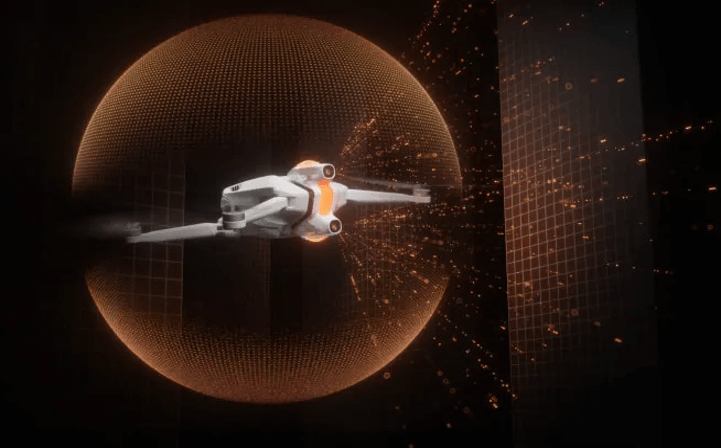
Where a 360 Camera Drone Makes Flying Easier
Capture Every Angle Without Perfect Framing
One major advantage of a 360 camera drone is that beginners do not have to frame every shot perfectly while flying. This can be especially valuable when choosing the best drone with camera for beginners, as new pilots often split their attention between steering, avoiding obstacles, and keeping the subject in frame. Typically with a standard camera view, this results in hurried shots and out-of-camera footage. With a 360 drone, you only need to concentrate on stable flight, rather than pointing the camera at the perfect moment as you make your pass. Then takeoffs, turns, and simple tracking shots are not so demanding. It also eliminates the frustration of arriving at a shot and finding that the best part was just out of the frame. Practicing can be a lot more fun for beginners, who have a bit more leeway for getting it wrong.
Reframe Your Best Shots After the Flight
Another advantage for new pilots is the freedom of movement after landing with a 360 camera drone. You don’t have to use each angle as one shot; you can re-scan the material and select the best angle later. This is because one flight can generate a number of different perspectives, through forward, side, top-down, and backward views. This flexibility reduces stress during flight and makes it easier for novices to learn composition without having to learn it all at once. If the subject unexpectedly moved or the drone yawed at the wrong time, the moment might still be salvageable. The fewer the retakes, the more battery you save and the more you can reframe the flight. Reframing is an advantageous feature for someone who is both learning to fly and learning to film.
Does 360 Capture Solve the Hard Parts for Beginners?
Easier Controls, Obstacle Avoidance, and Flight Confidence
360 capture may assist with the filming, but doesn’t replace the basic duties of safe flight. Newcomers must still take off and land, watch for other aircraft, know and follow local rules, and stay clear of people, trees, wires, and restricted areas. Obstacle avoidance and stability features can increase confidence but still are used as a form of assistance and not as a replacement for judgment. The actual beginner’s advantage is mental load reduction: the more you can focus on flying smoothly without worrying about the camera direction. This can help make early practices more enjoyable and effective. Simply put, 360 technology is more effective at overcoming the framing issue than the flying issue, but it eliminates a significant problem and makes learning much easier.
How Antigravity A1 Lowers the Learning Curve
Antigravity A1 aims to diminish that learning curve in a tangible way. Unlike the traditional stick-heavy method of control, its FreeMotion control mode lets you point with the Grip controller and fly in that direction without pressing any sticks. FPV mode provides wrist-based directionality and control for more precise flight when skills develop. The Vision goggles provide users with a 360-degree view, while the included flight simulator will enable new users to practice in virtual spaces rather than flying for real. A1 also provides basic voice feedback to the pilot for takeoff and capture, helping them focus. At the camera end, it can shoot 8K 360 video, capture drone footage invisibly from the top and bottom of the camera, and only weighs 249g for more convenient travel.
What Should New Pilots Consider Before Choosing 360?
Editing, Image Quality, Battery Life, and Flight Rules
New pilots should be mindful of beyond-all-angle capture before purchasing a 360 camera drone. On the other hand, editing 360 footage is more flexible, but requires an additional step compared to using a ready-made straight-on clip. Some novices like it, and others prefer a quicker workflow. Also, take a look at the image quality, as it can affect how detail will be perceived in the final exported shot if reframing is done. Battery planning is also important. Although 360 capture may minimize retakes, flight time is still limited, and practice sessions should allow for sufficient power for a safe return and landing. Last but not least, flight rules are still valid. Although weight class can be beneficial for portability and wide-range applicability, pilots should also adhere to local registration, airspace, privacy, and operational regulations.
When a 360 Camera Drone Makes More Sense for You
If you are looking for your first drone to be forgiving, flexible, and fun to learn with, a 360 camera drone is the best choice. If you want to gain experience without having to get it “right” the first day, and you want to view footage later, try multiple angles, or share immersive content with friends, the format is definitely worth experimenting with. It is also appropriate for novices who care more about framing than simple aircraft movements. If you want minimal post-production, on the other hand, the added value of the extra process might not seem as attractive. For novices, though, that trade-off is outweighed by the increased flexibility and makes the first few weeks of flying more enjoyable.
Conclusion
Yes, using a 360 camera drone is better for new pilots, particularly if it’s about making flying less stressful and footage more usable. It is simple; its biggest benefit is that you need not nail down every camera angle in the air. This allows the beginner to concentrate on smooth control, awareness, and confidence. It doesn’t cost you anything to learn safe flying, but it does take away one of the most frequent frustrations of starting up. A 360 drone is a good choice for first-time drone pilots who are looking for a platform that allows them to learn and use it creatively. It’s not only a new camera format for many beginning photographers. It’s also a less demanding method to learn to fly well.
Popular on OTW Right Now!




About The Author

Gagan Bhangu
Founder of otechworld.com and managing editor. He is a tech geek, web-developer, and blogger. He holds a master's degree in computer applications and making money online since 2015.