
Why a Merchant Account For Telemedicine Businesses Is Essential in the Digital Health Era
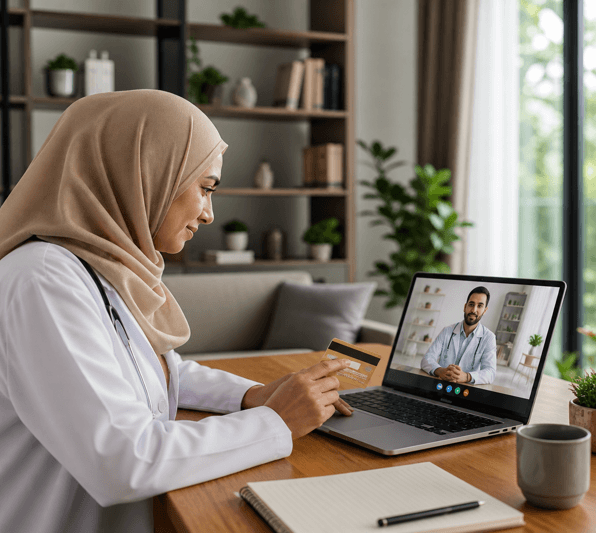
The telemedicine industry has undergone a seismic transformation over the past several years. What was once considered a niche supplement to traditional healthcare has become a mainstream, high-demand service that millions of patients rely on every day. With this rapid growth comes an equally pressing need for reliable, compliant, and efficient payment infrastructure. For telemedicine providers — whether they are solo practitioners, multi-specialty platforms, or mental health services — the ability to accept payments seamlessly is not just a convenience. It is a fundamental operational requirement that directly affects patient experience, revenue continuity, and regulatory compliance.
The Unique Payment Challenges Facing Telemedicine Providers
Unlike traditional brick-and-mortar medical practices, telemedicine businesses operate almost entirely in the digital space. This creates a distinct set of payment processing challenges that standard merchant accounts are often ill-equipped to handle. Most conventional payment processors classify telemedicine as a high-risk industry due to factors such as elevated chargeback rates, subscription-based billing models, and the sensitive nature of healthcare transactions. As a result, many telemedicine providers find themselves denied by mainstream processors or subjected to excessive holds and reserve requirements that strangle their cash flow.
Beyond the classification issue, telemedicine businesses must also navigate HIPAA compliance when handling patient payment data. Any payment solution must integrate seamlessly with existing electronic health record systems while maintaining strict data security standards. This combination of high-risk classification and regulatory complexity makes finding the right payment partner a critical business decision rather than a routine administrative task.
Chargebacks and Subscription Billing: A Persistent Concern
Many telemedicine programs are designed to run on a monthly recurring billing structure, for wellness plans, mental health counseling, and chronic disease management. These models work well for patient loyalty and foreseeable revenue, but also carry a risk of chargeback if patients dispute periodic charges that they don’t remember or approve. Most payment processors will shut down accounts when they see a surge in chargebacks and will be at a loss for what to do during the middle of the operation. The telemedicine merchant account provides chargeback protection features, alerts, and dispute resolution support that’s not standard with regular processors.
How Specialized Payment Solutions Support Telemedicine Growth
The right payment infrastructure isn’t just about transactions. It can help businesses grow, allowing them to offer a range of flexible billing choices, accept multiple currencies for international telehealth consultations, and integrate with patient management systems smoothly. Purpose-built payment solutions enable telemedicine providers to experience less disruption, quicker settlement, and a more positive patient checkout process. Payment of this kind, whether via credit card, ACH transfer or digital wallet, will increase the likelihood of seeing patients through to their appointments and back for their next checkup.
This principle extends beyond healthcare. In the fitness and wellness space, for example, built-in payment and package tools have proven transformative for online personal trainers, allowing them to manage client billing, session packages, and renewals from a single platform. The same goes for telemedicine: If payment methods are properly embedded in the service delivery process, administrative hassles are reduced, and the provider can focus on the patient and the patient’s needs.
HIPAA-Compliant Payment Processing: A Non-Negotiable Standard
HIPAA compliance is one of the most often-forgotten things when it comes to telemedicine payment processing. The Health Insurance Portability and Accountability Act (HIPAA) sets strict regulations on how patient information, such as billing data, can be stored, transmitted, and accessed. A non-compliant payment processor could cost a telemedicine provider dearly if they don’t use it, as they could be subject to fines, legal liability, and reputational damage. Specialized telemedicine merchant accounts are tailored to address these needs and include enhanced security protocols for data transmission, secure tokenization, and business associate agreements that adhere to federal regulatory guidelines.
The Broader Landscape: Digital Payments Are Reshaping Healthcare
The transition to digital payment systems is not limited to telemedicine. In a cashless and mobile world, businesses are re-imagining revenue collection and management across all industries. According to insights on the future of digital payments, global adoption of digital transaction methods is accelerating at an unprecedented pace, driven by consumer expectations for speed, security, and convenience. Finally, for telemedicine providers, the macro trend further highlights the need to implement payment solutions that are scalable and effective for future needs.
With a growing number of patients demanding the same hassle-free payment process from their healthcare provider that they enjoy on their favorite e-commerce platform, healthcare organizations must prioritize a seamless payment experience. As more patients expect the same convenience they get from their favorite e-commerce platforms, healthcare organizations must ensure their payment environment is frictionless as well. However, slow, ineffective, or unreliable payment mechanisms impact patient satisfaction. They can result in patient attrition, which is an expensive occurrence in this competitive telehealth landscape where patient loyalty is gained – and lost.
International Telehealth and Multi-Currency Considerations
As telemedicine services spread beyond national boundaries, it becomes crucial to accept payments in various currencies. In this context, both international patients who choose to consult with U.S.-based specialists and global platforms that treat patients in several countries will need a payment system that can cater to their needs, including currency conversion, international compliance, and managing tax regulations, without causing problems at the checkout. Payment limitations are not a concern for a telemedicine provider; in fact, it is one of the reasons a merchant account is customized for telemedicine, as providers want to grow their patient base worldwide without worrying about payment restrictions.
2Accept: A Purpose-Built Solution for Telemedicine Payment Needs
When it comes to payment providers who have a solid grasp of the intricacies of telemedicine, 2Accept has proven to be a trusted source. The company has a niche in providing high-risk merchant account solutions specifically designed for the healthcare and telemedicine industry, with features that are HIPAA-compliant, chargeback-friendly, and flexible for integration. The team collaborates directly with telemedicine companies to set up accounts, taking the provider’s actual risk profile into account and avoiding a rigid high-risk designation that punishes legitimate healthcare services.
The key differentiator of purpose-built telemedicine payment solutions is their depth of knowledge and satisfaction with the entire operational landscape, from patient data security and regulatory reporting to insurance coordination and recurring billing cycles. It means you have a level of industry expertise that translates into payment systems in place to help, not hinder, you in providing excellent patient care.
Choosing the Right Merchant Account: What Telemedicine Providers Should Evaluate
Several factors are important when considering payment processing partners when it comes to telemedicine businesses. First, the processor should have experience in health care or high-risk industries, and know what it takes to comply with HIPAA regulations. Secondly, the account structure should allow billing to recur and shouldn’t require a penalty for the recurring use of the account. Third, the integration should be compatible with current practice management and/or telehealth platform software. Last but not least, the provider should be easy on the price and provide customer support that is responsive — after all, payment issues in the healthcare industry are no circus sideshow.
A Merchant Account for Telemedicine Businesses from a specialized merchant account provider meets all these requirements and provides a payment system specifically designed to solve the regulatory, operational, and financial challenges that come with the delivery of healthcare in a digital world. When payment processors understand the telemedicine industry, they pass it on to their providers.
Conclusion: Payment Infrastructure as a Strategic Asset
Gone are the days of payment infrastructure being a back-office issue, and it’s time to embrace the new world of digital healthcare payments. It’s a strategic asset that can impact patient satisfaction, revenue stability, regulatory compliance, and long-term scalability. By choosing merchant accounts tailored to their specific healthcare sector, telemedicine professionals can better equip themselves to expand and succeed with confidence, meet patient needs, and tackle the unique challenges of blending healthcare with financial technology. Telemedicine companies that invest in a suitable payment infrastructure now will be at the forefront of the industry as digital payments continue to transform all aspects of the global economy.
Popular on OTW Right Now!


About The Author

Gagan Bhangu
Founder of otechworld.com and managing editor. He is a tech geek, web-developer, and blogger. He holds a master's degree in computer applications and making money online since 2015.